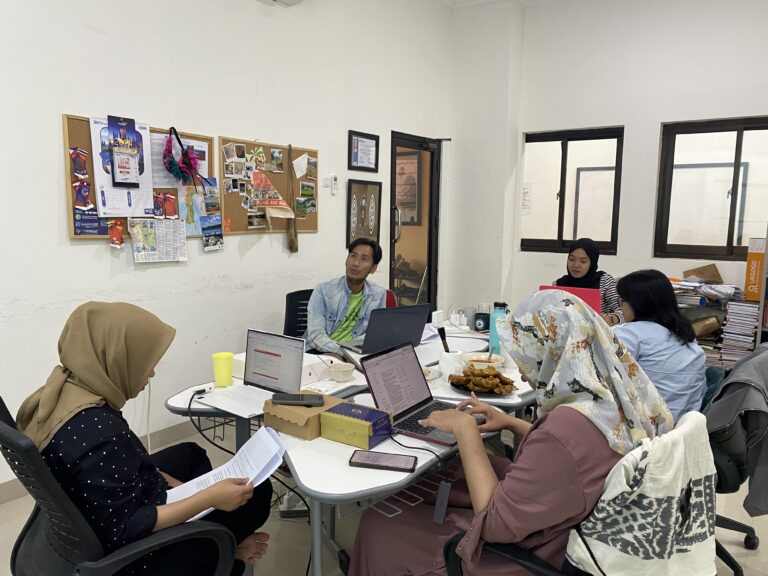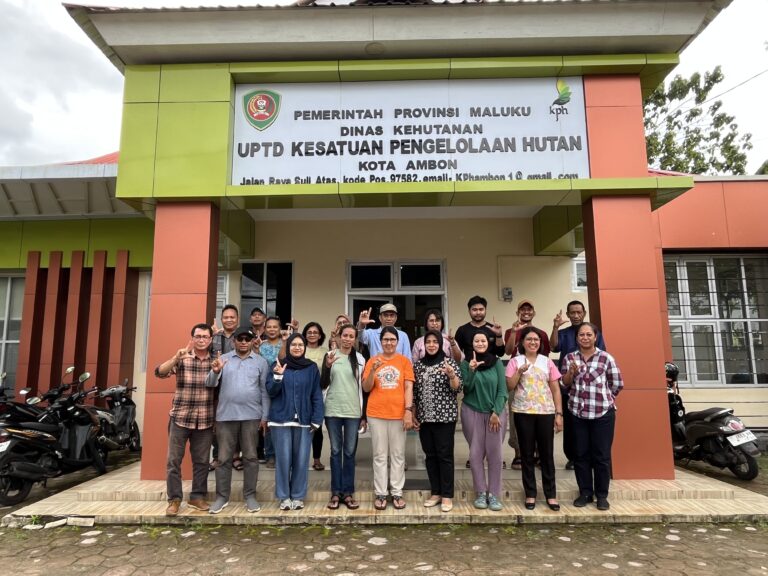

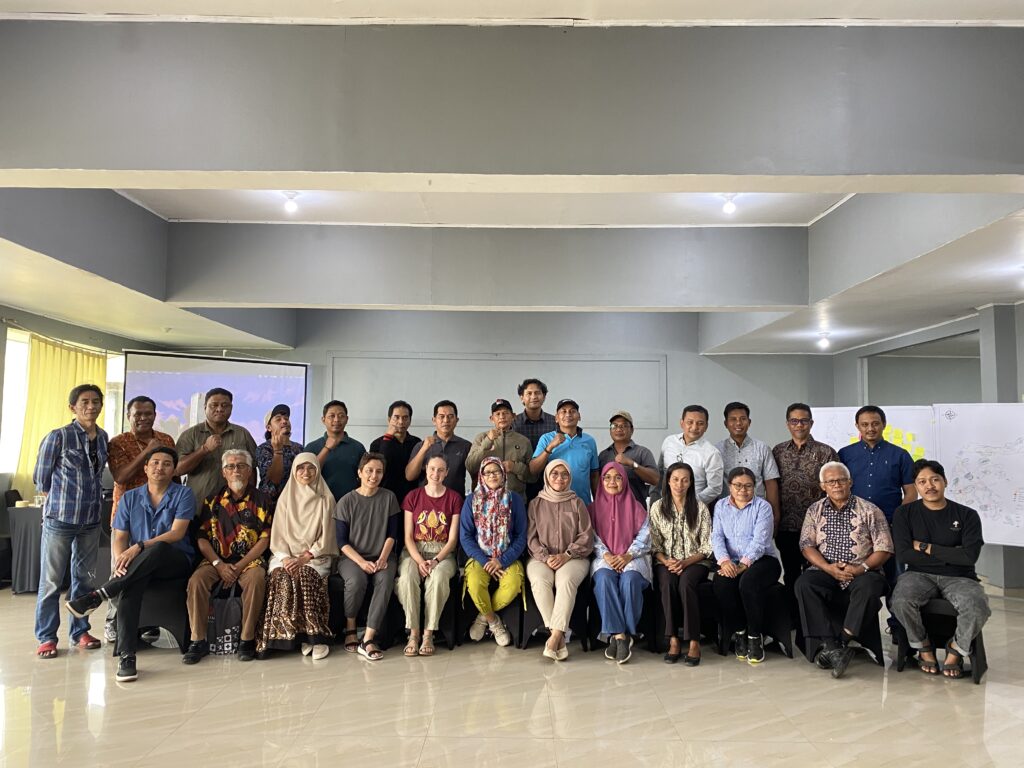
Universitas Hasanuddin (Unhas), through the Forest and Society Research Group (FSRG), together with the National Research and Innovation Agency (BRIN) and Universitas Papua (Unipa), held a collaborative research workshop with primary support from the Natural Resources Institute, University of Greenwich. Held over five days, from 16–20 September 2024, in the Malino Highlands, Gowa Regency, South Sulawesi, the workshop brought 20 participants, which were together farmers, researchers, NGO practitioners, and government representatives to exchange knowledge and perspectives on land and commodity dynamics in Indonesia.
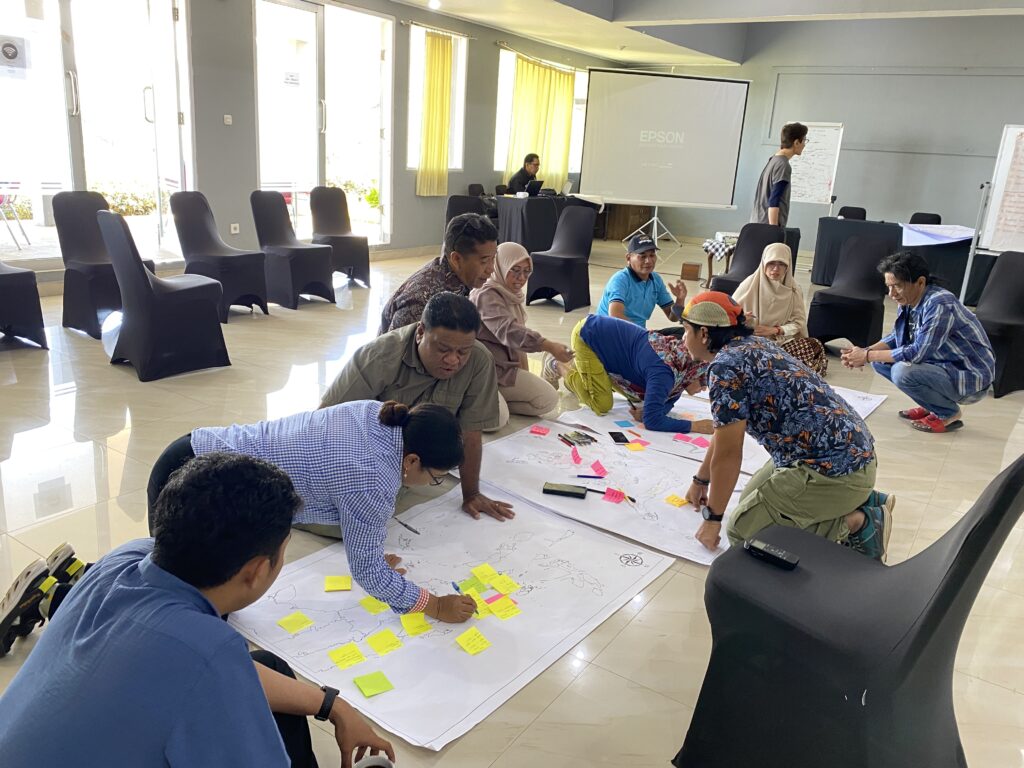
The workshop provided an opportunity for participants from different backgrounds and regions to reflect on how agricultural and forestry commodities have shaped landscapes, livelihoods, and natural resource management in Indonesia. The discussions explored the history and development of agricultural and forestry commodities, patterns of land-use expansion, and the evolution of conservation policies across different regions. Participants also discussed how these processes have affected local communities and how changes in commodity production can influence the ways land and natural resources are accessed, managed, and valued.
An important part of the workshop was the opportunity to compare experiences across regions. Discussions highlighted that commodity development does not follow a single pattern across Indonesia. Different regions have experienced different trajectories depending on their historical, social, economic, and ecological contexts. One discussion, for example, highlighted the relatively limited changes in commodity development in Papua over the past two decades. This provided an important point of comparison with other regions where commodity expansion has significantly transformed landscapes and local economies.
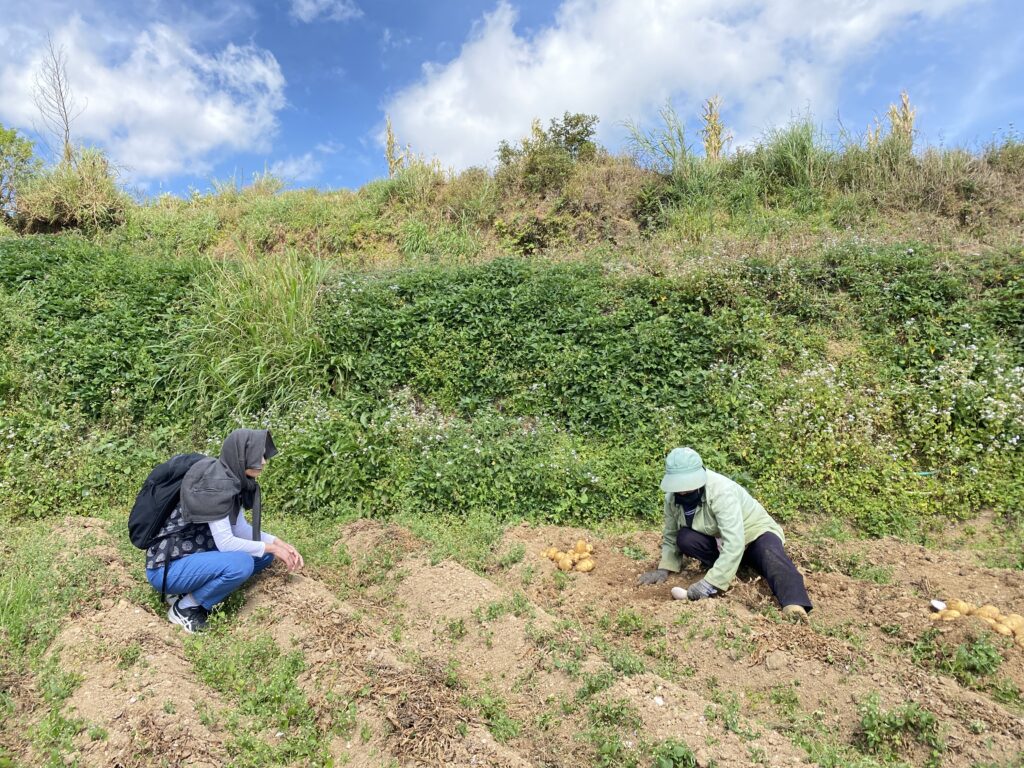
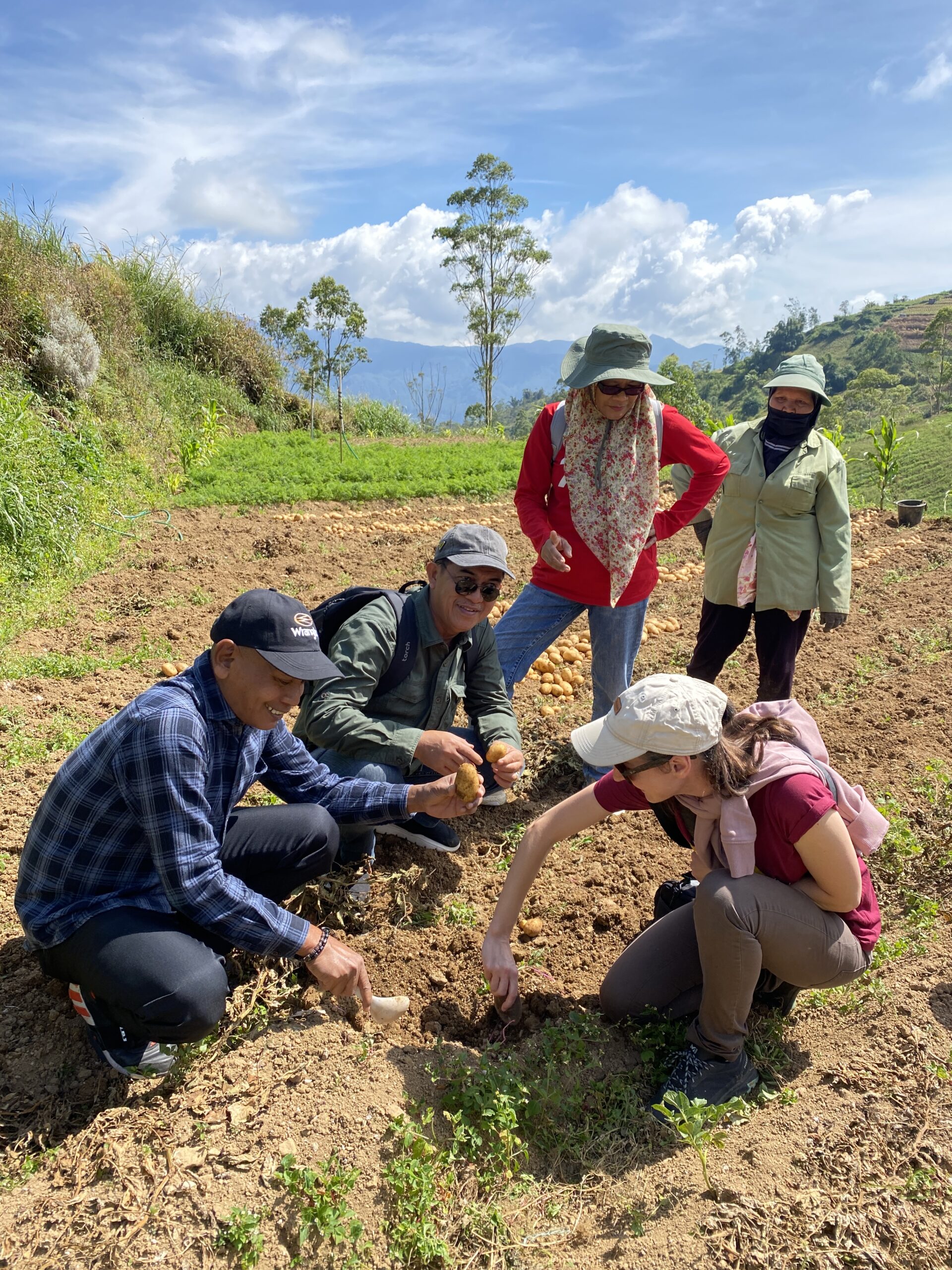
The discussions were complemented by field visits to Kanreapia and Tonasa Villages, where participants had the opportunity to meet directly with farmers and learn about their livelihoods and farming practices. These visits helped connect broader discussions about land use and commodity development with the realities experienced by communities on the ground. Participants learned about the opportunities and challenges associated with agricultural production, including changing commodity prices and their implications for farmers’ livelihoods. The field visits also created space for farmers to share their experiences and perspectives directly with researchers, practitioners, and government representatives.
By bringing together different forms of knowledge, the workshop provided a space to look at land and commodity dynamics beyond data, policies, and formal institutions. The experiences shared by farmers and local communities demonstrated the importance of understanding how national and regional changes are experienced in everyday life. At the same time, discussions with researchers, NGOs, and government representatives helped place these experiences within wider debates around natural resource governance, conservation, and commodity development.
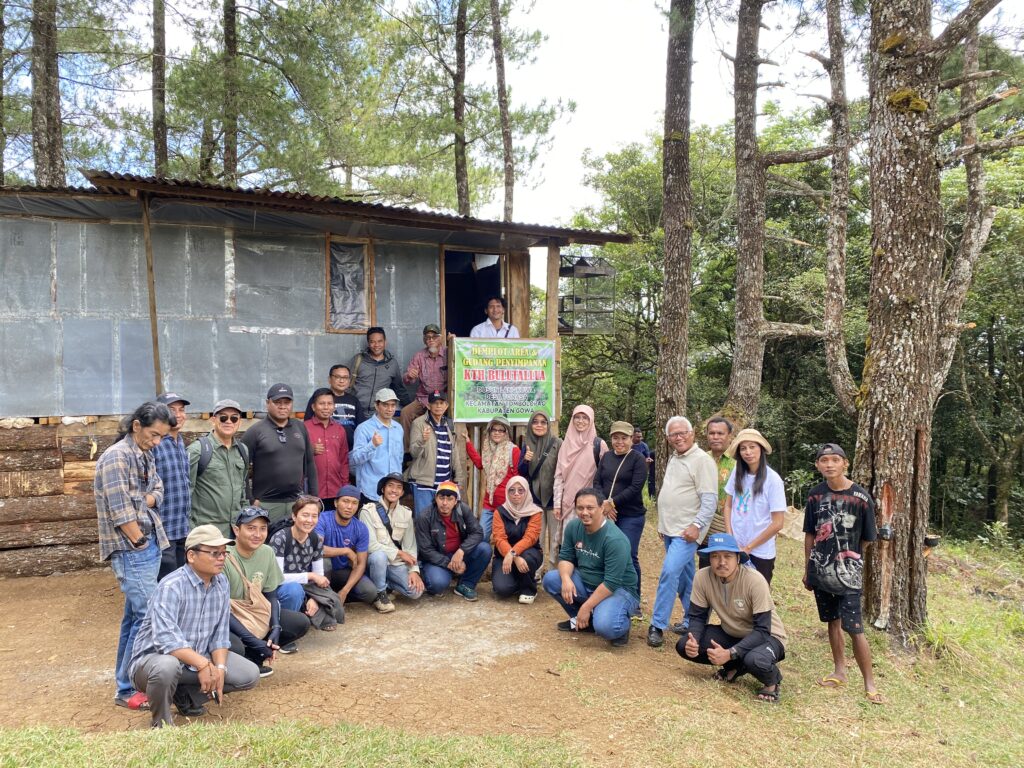
A key takeaway from the workshop was that understanding Indonesia’s changing landscapes requires collaboration across sectors and knowledge systems. Researchers, policymakers, practitioners, and local communities each bring different forms of knowledge and experience that can contribute to a more grounded understanding of natural resource management. The workshop therefore served not only as a platform for sharing research and field experiences, but also as an opportunity to strengthen relationships among institutions and actors working on related issues.
The workshop concluded with a shared commitment to strengthen collaboration and networks across sectors, supporting future research and creating opportunities for continued exchange. By connecting academic research with local experiences and practitioner perspectives, the workshop contributed to building a stronger foundation for collaborative research on land, commodities, livelihoods, and more sustainable approaches to natural resource management in Indonesia.