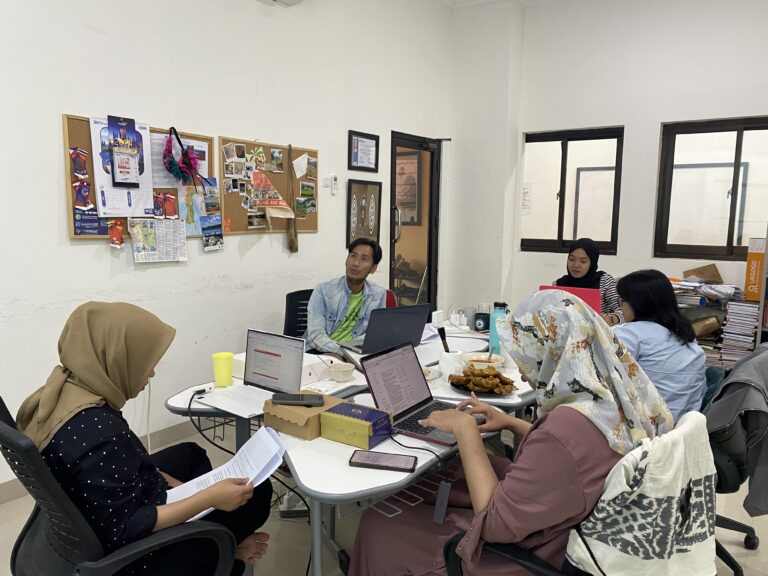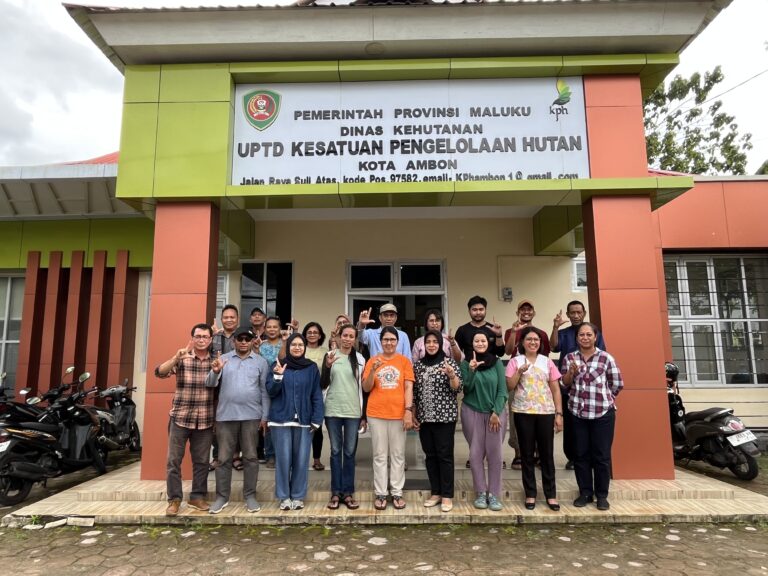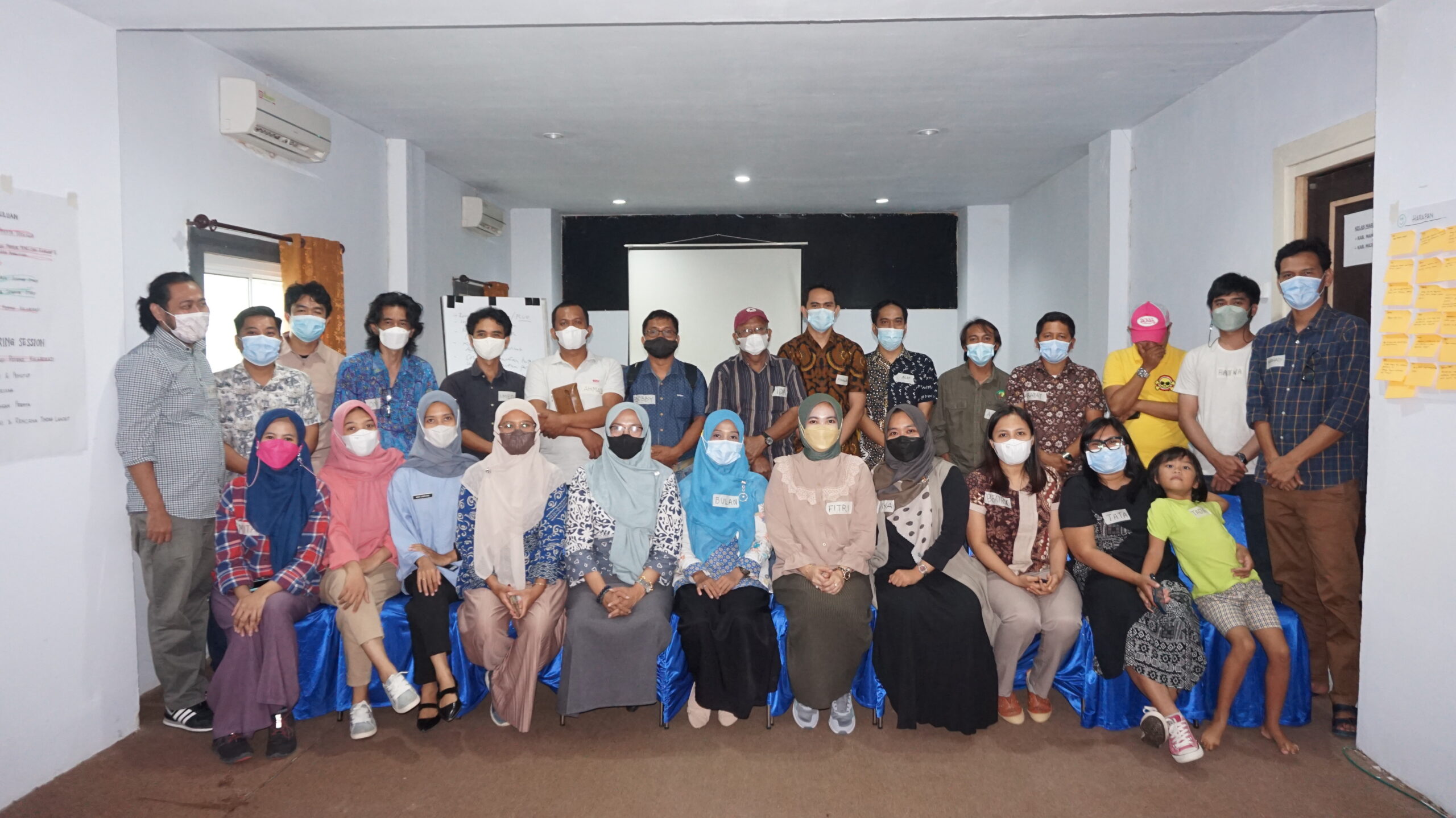

As part of our commitment to social preparation, we began our engagement in Mamuju, West Sulawesi, in 17 April 2022, ahead of the main field research. We see social preparation as an important part of responsible research, particularly when working in landscapes where changes in forests and agriculture are closely connected to local livelihoods, institutions, and everyday experiences. Before entering the field, it was important for us to first understand the context, introduce the research, listen to local perspectives, and establish relationships with people and institutions connected to the research site.
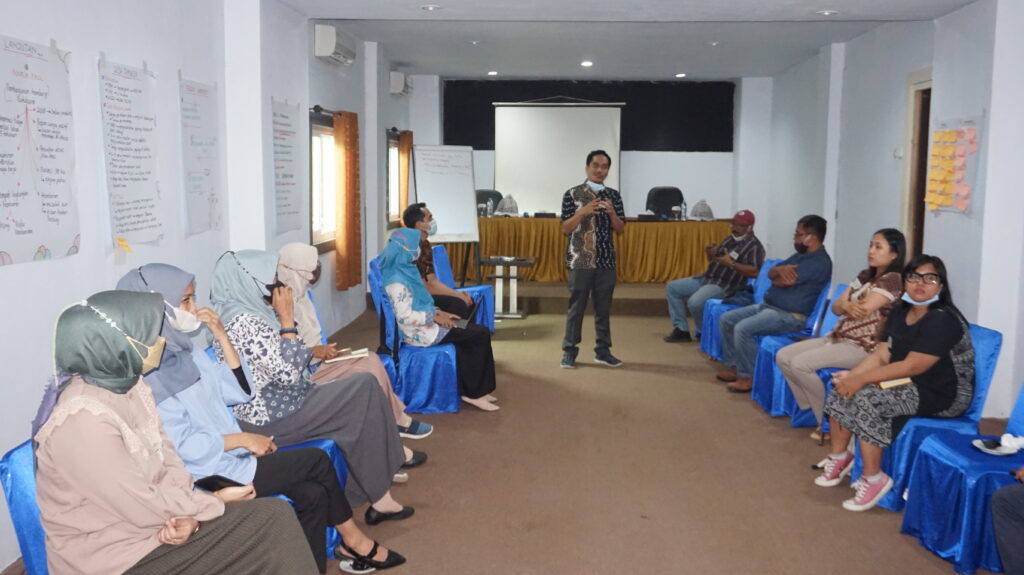
The multi-stakeholder engagement brought together 20 participants from different backgrounds, including members of local communities, representatives of non-governmental organisations (NGOs), forestry office officials, and academics. Bringing these different perspectives together allowed us to begin understanding the landscape from multiple viewpoints. Each group has different experiences, knowledge, interests, and relationships with forests and agricultural land, and these differences are important for understanding how land-use transformations take place.
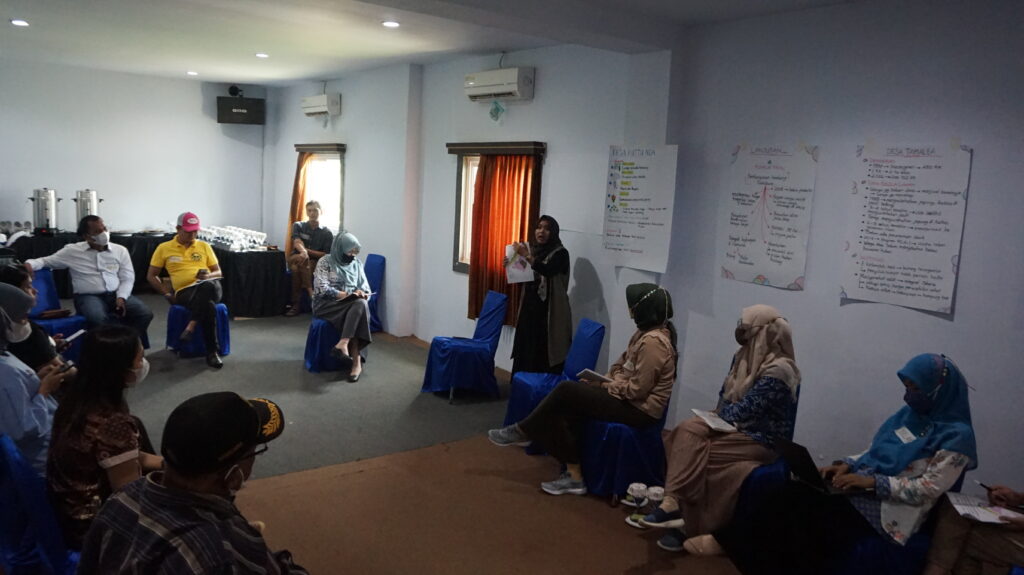
The meeting also served as an opportunity to introduce the research objectives and approach, seek permission and support for the research, and establish initial connections with relevant local actors. Rather than arriving at the research site with predetermined assumptions, we used the engagement to learn about the issues that matter locally and to understand how the research could be conducted in a way that is appropriate to the local context.
Discussions focused on the broader social, environmental, and institutional conditions shaping the research landscape. Participants shared their experiences and perspectives on forest management, agricultural change, local livelihoods, and the challenges faced by different groups. These conversations helped us identify important issues to explore further during the research, as well as the stakeholders and institutions whose knowledge and experiences would be important to include.
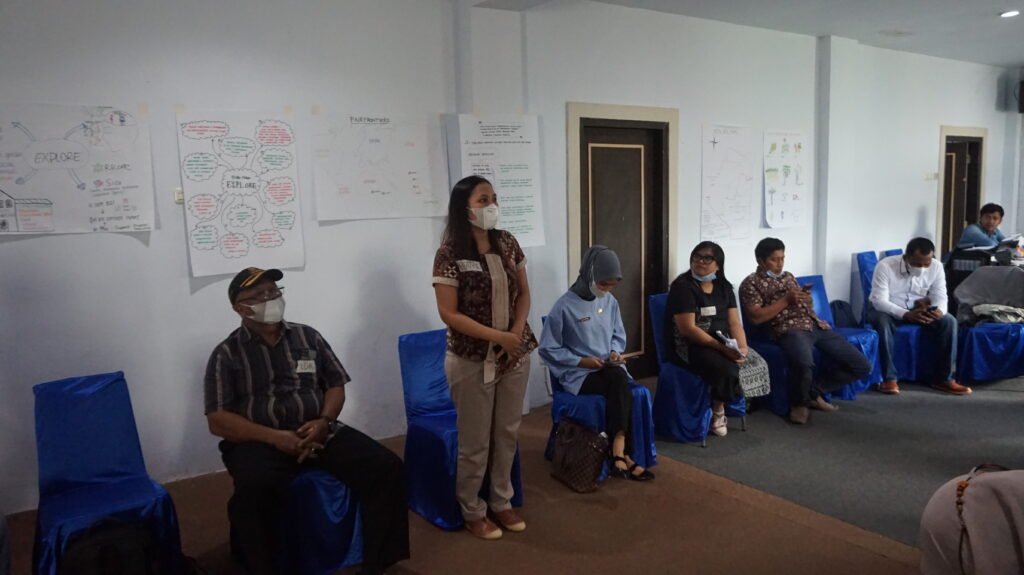
The engagement was also an opportunity to begin building trust and mutual understanding. For research involving questions of land-use change, power, inequality, and precarity, relationships matter. Meaningful engagement cannot begin only when researchers collect data. It needs to start before fieldwork, through open communication and recognition of the knowledge held by people living and working in the landscape.
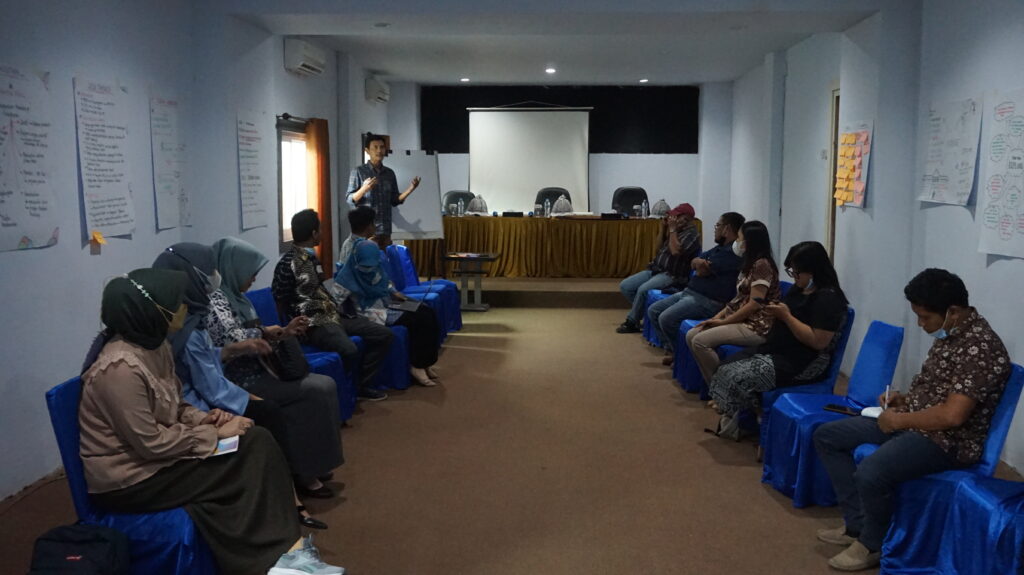
The Mamuju engagement therefore became an important first step in our research process. It helped us develop a more grounded understanding of the research context while creating space for different stakeholders to learn about the project and contribute their perspectives. It also established an initial foundation for continued collaboration as the research progressed.
This approach reflects a broader principle of the Fair for Whom? project: understanding transformation requires more than studying changes in land cover or agricultural practices. It also requires understanding the people, institutions, relationships, and power dynamics that shape these changes. By beginning with social preparation and multi-stakeholder engagement, we aim to build research relationships that are respectful, locally grounded, and attentive to the voices and experiences of people who are often overlooked in environmental decision-making.