


Description
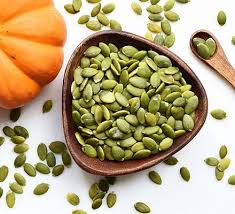
Tuberculosis (TB) remains one of the world’s deadliest infectious diseases. In Indonesia, the burden is especially heavy, with rising case numbers in several provinces, including West Sulawesi. While standard anti-tuberculosis drugs (ATTs) save millions of lives, treatment is long, demanding, and often complicated by side effects and drug resistance. Could a simple, locally available food help strengthen recovery? Read more
Description
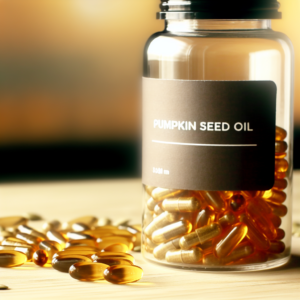
This study investigates the potential benefits of yellow pumpkin seed (Cucurbita moschata) capsules, which are rich in essential nutrients, on improving dietary intake and hemoglobin levels among pregnant women suffering from chronic energy deficiency (CED). Pregnant women with CED are at higher risk of malnutrition and anemia due to insufficient energy and nutrient intake, potentially compromising maternal and fetal health.
Yellow pumpkin seeds are a natural source of protein, iron, zinc, and other micronutrients that contribute to increased hemoglobin synthesis and better overall nutritional status. By providing an intervention using these capsules, this research aims to evaluate their impact on improving maternal dietary intake and correcting anemia, thus offering a potential alternative or complementary nutritional strategy for at-risk populations.
The primary investigator conducting this study will be Besse, a Master\'s student specializing in nutritional science, under the close guidance and mentorship of Prof. Aminuddin. This research aims to explore the nutritional potential of yellow pumpkin seed capsules in improving dietary intake and hemoglobin levels, addressing the critical issue of malnutrition and anemia in pregnant women with chronic energy deficiency.
Description
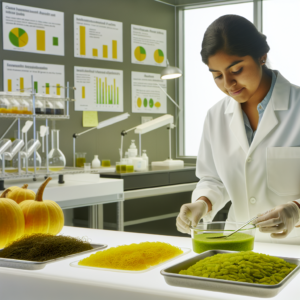
This research explores the potential health benefits of incorporating yellow pumpkin leaves and seaweed into noodles, with the aim of addressing iron-deficiency anaemia prevalent among adolescent girls. The study is especially pertinent considering the nutritional challenges faced in this demographic group, offering a palatable and accessible dietary option to improve iron intake. In this research, the nutritional profile of yellow pumpkin leaves and seaweed is examined, highlighting their rich content of vital nutrients such as iron and other vitamins beneficial for blood health. The research also evaluates acceptance, micronutrient content, and the shelf-life of developed noodles.
The process involves formulating noodles that retain the nutrient density of these ingredients while ensuring that taste and texture appeal to young consumers. Under Prof Aminuddin supervision, Baiq and Zaitun seeks not only to fortify a common dietary staple but also to provide a sustainable and culturally acceptable food solution that could be implemented on a large scale.
This research aims to set a precedent for using easily accessible, locally and readily available resources in combating public health issues. The results of this study could potentially influence policy and inspire further research into alternative food-based interventions for anaemia and other deficiencies. Overall, this innovative approach emphasises the role of diet in preventive healthcare and the importance of tailoring nutritional strategies to meet the needs of specific at-risk populations, particularly young females highly susceptible to iron deficiency anaemia.
Description
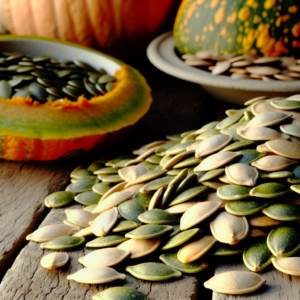
The project is focused on utilizing the nutritional potential of yellow pumpkin seeds to combat zinc deficiency among school-aged children. Zinc deficiency is a prevalent issue that can negatively impact growth, cognitive function, and immune health in children. Yellow pumpkin seeds are a potent source of zinc, containing other essential nutrients like magnesium, phosphorus, and healthy fats that support overall health and development.
The project involves developing a tasty and appealing snack for children, leveraging the natural flavor and nutritional content of pumpkin seeds. This initiative seeks to integrate these snacks into children\'s daily diets as snacks to enhance zinc intake. We expect this can address deficiencies without the need for artificial supplements. By focusing on a food-based approach, the aim is to improve children\'s nutrition sustainably and naturally.
The project will ensure that the snacks are both delicious and beneficial to children\'s health. By highlighting the benefits of pumpkin seeds as an accessible and effective intervention, this project aims to contribute significantly to improving nutritional outcomes for children at risk of zinc deficiency.