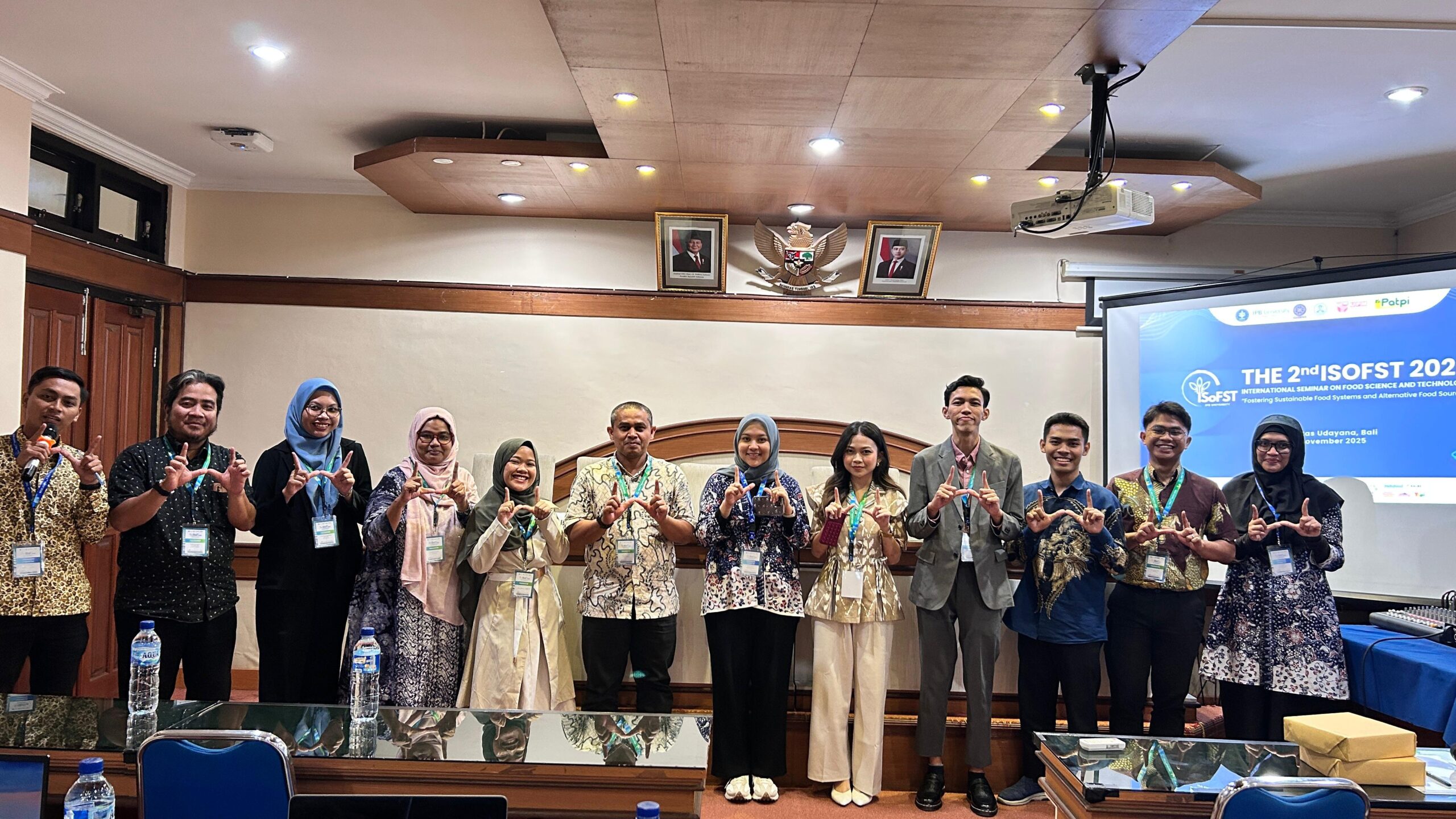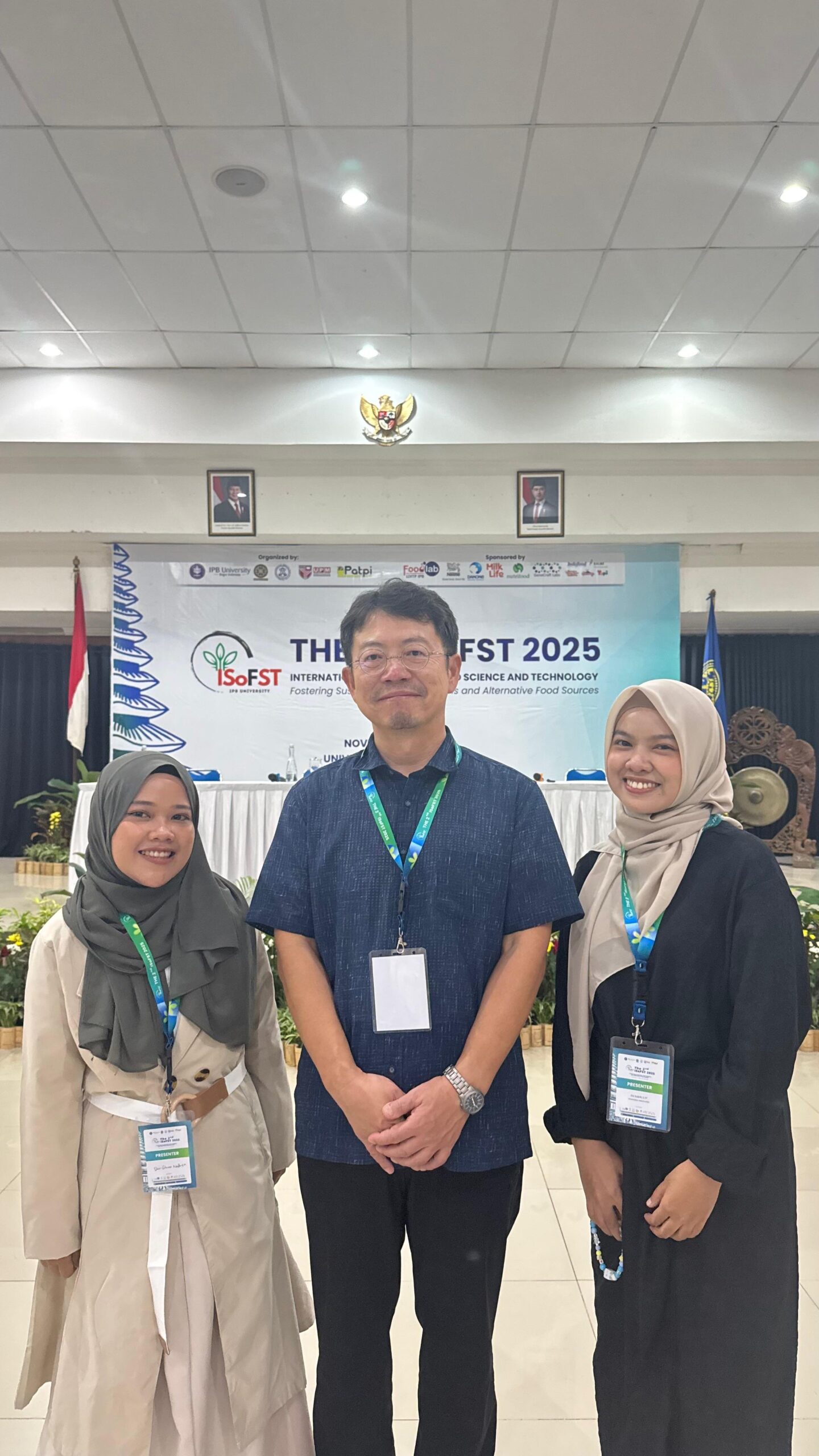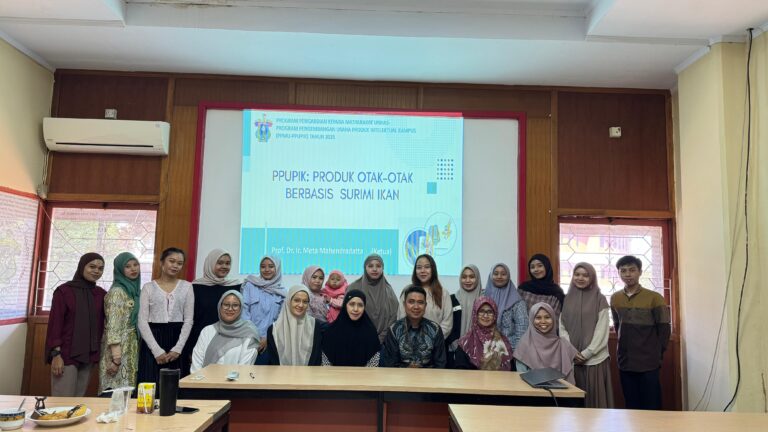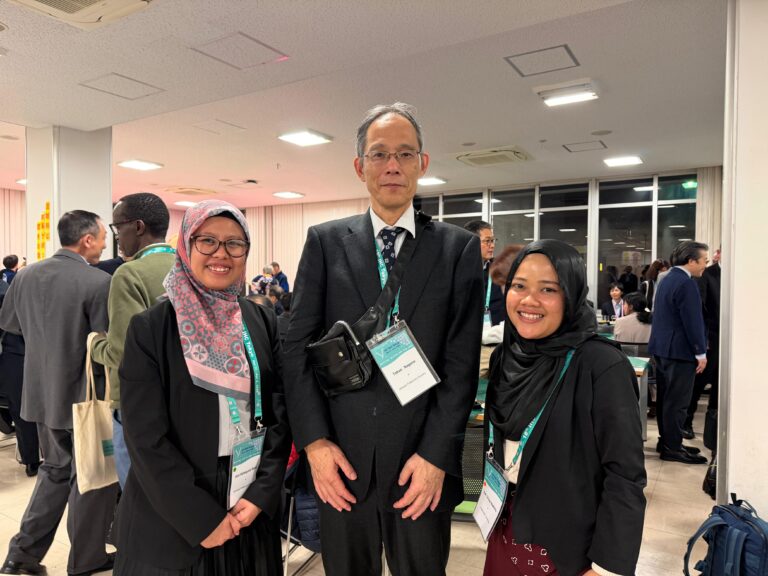

Bali, Indonesia — The global food science community, consisting of about 40 participants, gathered in the scenic locale of Bali from November 5th to 7th, 2025, for the highly anticipated 2nd International Seminar on Food Science and Technology (ISoFST). As a premier international forum, ISoFST serves as a vital nexus for leading researchers, academics, policymakers, and industry professionals. The conference this year focused heavily on navigating contemporary global challenges, driving technological breakthroughs, and innovating solutions to secure a more sustainable and resilient food future.
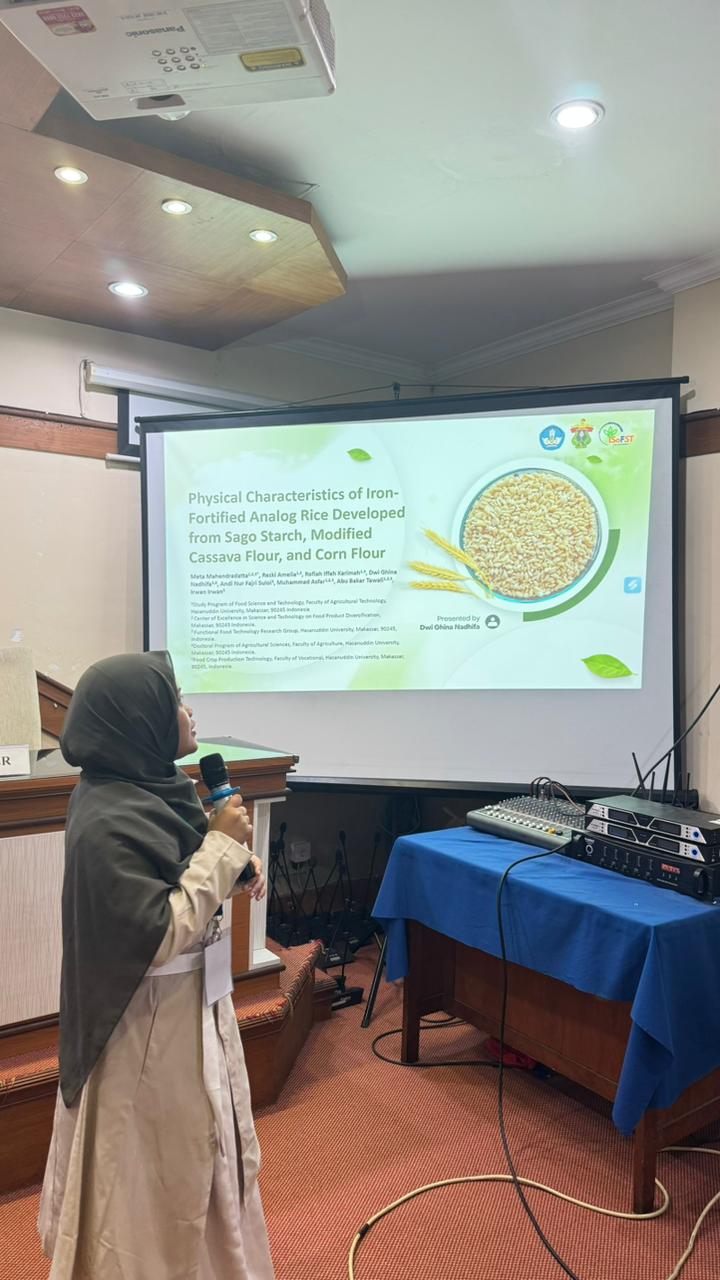
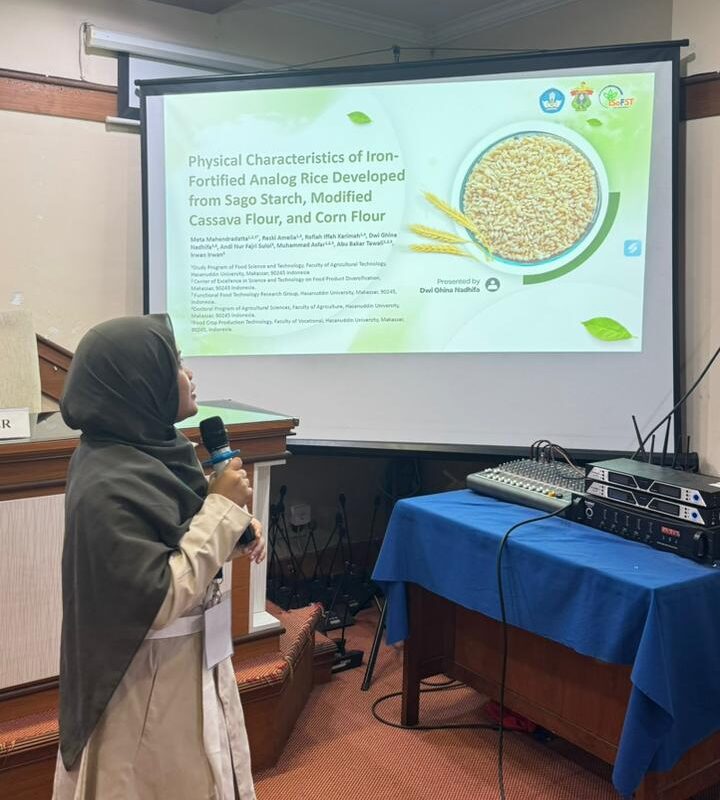
Representing our research team with distinction, Dwi Ghina Nadhifa took the stage to deliver an oral presentation. Our team paper, entitled “Physical Characteristics of Iron-Fortified Analog Rice Developed from Sago Starch, Modified Cassava Flour, and Corn Flour,” addresses the critical intersection of food security and public health nutrition.
The presentation offered a deep dive into the development of analog rice—a functional alternative to traditional rice—engineered from a strategic blend of local Indonesian commodities: sago starch, modified cassava flour (MOCAF), and corn flour. Specifically, the research highlighted how different types of iron fortificants and varying complementary flour ratios alter the physical matrix of the final product.
The presentation was met with enthusiastic engagement, sparking meaningful dialogues on how fortified analog rice can be leveraged as a sustainable weapon against micronutrient deficiencies (such as iron-deficiency anemia) in developing nations. This successful presentation underscores our team’s ongoing commitment to impactful, forward-thinking agricultural and food science research.
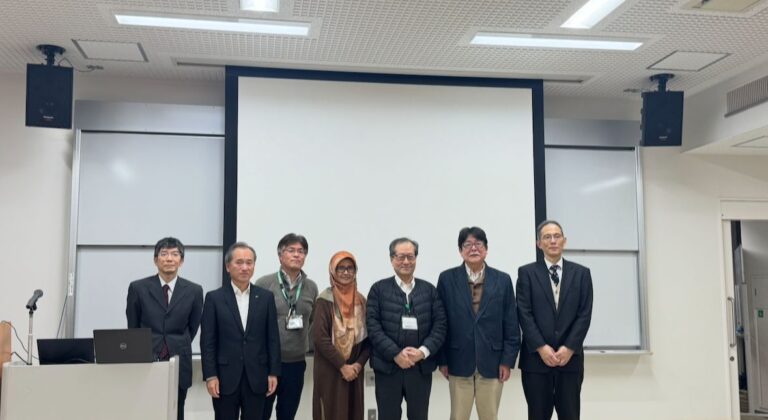
By bringing together global researchers, academics, and industry experts in Bali, this international exchange exemplifies SDG 17 (Partnerships for the Goals) and SDG 4 (Quality Education) in action. Presenting high-impact research on an international stage provides a vital platform for early-career scholars to disseminate findings, engage in rigorous academic dialogue, and elevate higher education standards. Furthermore, these collaborative forums strengthen knowledge-sharing networks, demonstrating how regional agricultural innovations can be scaled through global partnerships to build more resilient, educated, and sustainable food science communities.