
Nonoichi, Ishikawa, Japan, 6th-17th December, 2025 — Prof. Meta Mahendradatta visited the Department of Food Science at Ishikawa Prefectural University as part of the PMDSU Promoter Collaboration Enhancement Program. This initiative was funded by the Indonesian Ministry of Education, Culture, Research, and Technology.
Institutional Engagement and Academic Synergy
Prof. Meta Mahendradatta’s visit commenced with a brief meeting with the President of the University, engaging in a productive dialogue regarding future institutional ties. Their discussion focused on fostering long-term academic exchange programs and identifying shared research goals to strengthen the collaboration between the two universities.
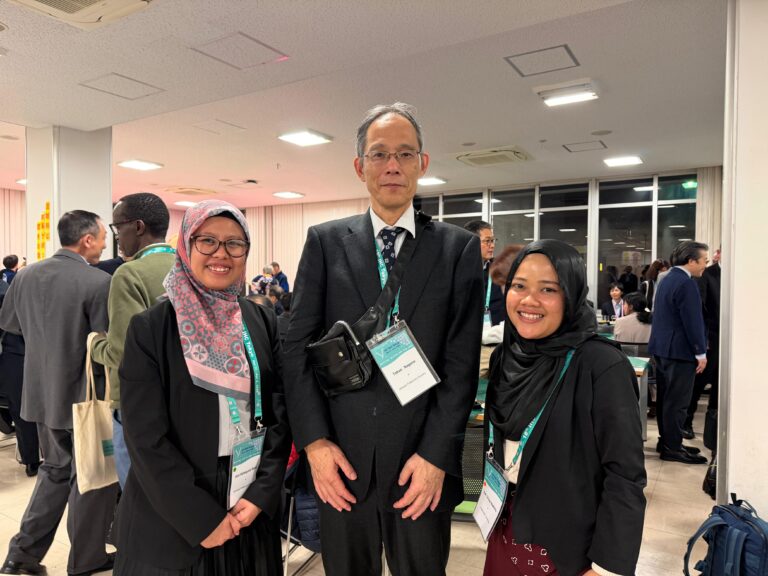
Central to this partnership is Prof. Takao Nagano, a collaborator of our Functional Food Technology Research Group, who currently serves as the host supervisor for Prof. Meta Mahendradatta’s doctoral student, Dwi Ghina Nadhifa, bridging the gap between the two research departments. During a comprehensive tour of his laboratory and administrative offices, Prof. Nagano provided a deep dive into his current pioneering research. His work investigates the innovative application of wet-type treated byproducts, specifically looking at how these materials can be repurposed to significantly enhance the structural integrity and functional nutritional properties of global staple foods.
Industrial Visits
To gain a broader perspective on the regional food industry, Prof. Meta participated in field visits to two prominent Japanese food manufacturers. These excursions provided a rare opportunity to observe the intersection of traditional culinary methods and modern mass-production technology:
- Habutae Co. (Kanazawa): A specialized tofu production facility that demonstrates a delicate balance between high-volume industrial output and the preservation of traditional textures and flavors.
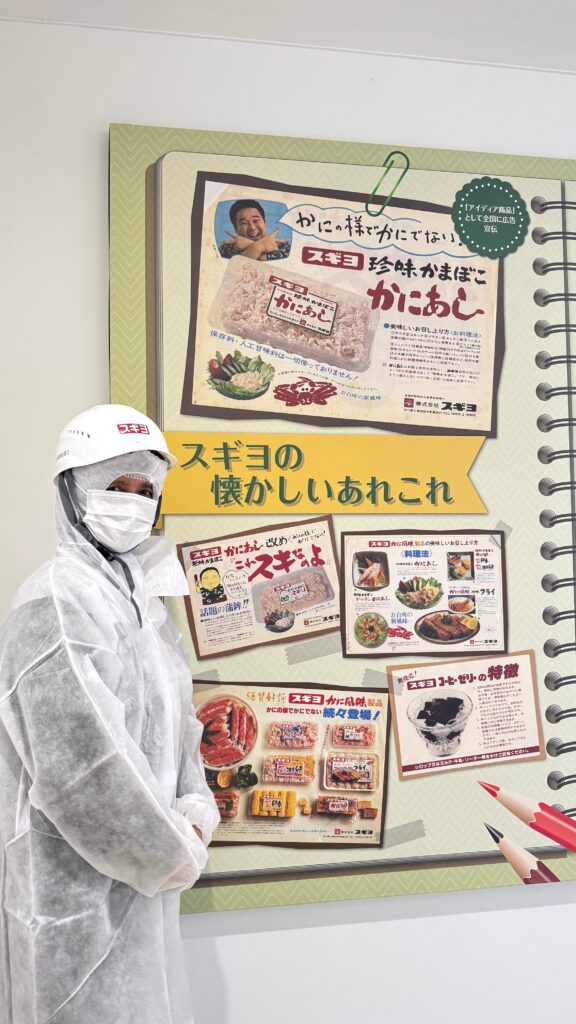
- Sugiyo (Nanao City): A renowned fish cake (kamaboko) manufacturer that showcases the advanced automation and rigorous quality control measures essential for large-scale surimi-based production.
These visits allowed for a firsthand comparison of artisanal food science versus the rigorous demands of the modern industrial food sector.
Academic Contribution and Global Outreach
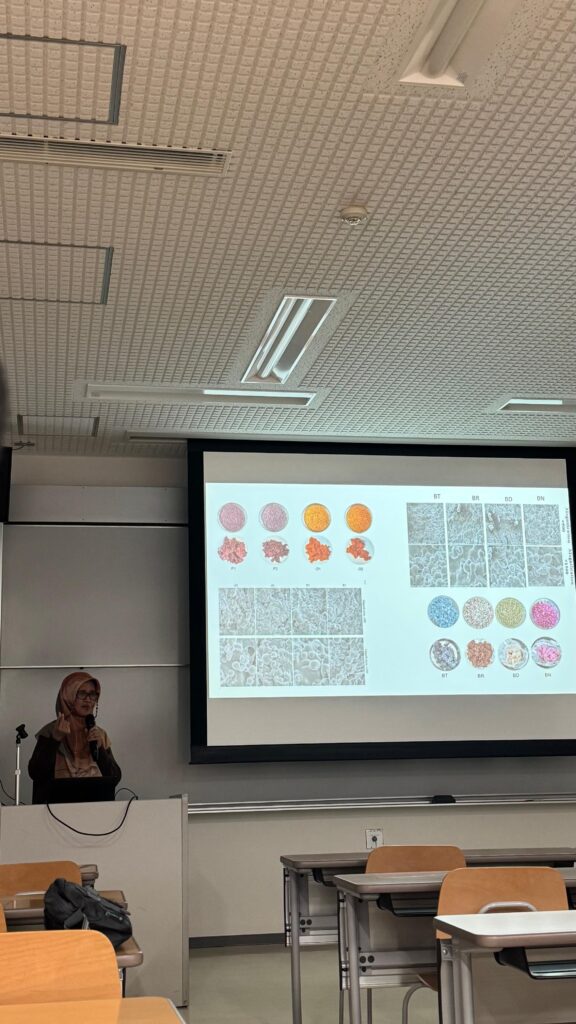
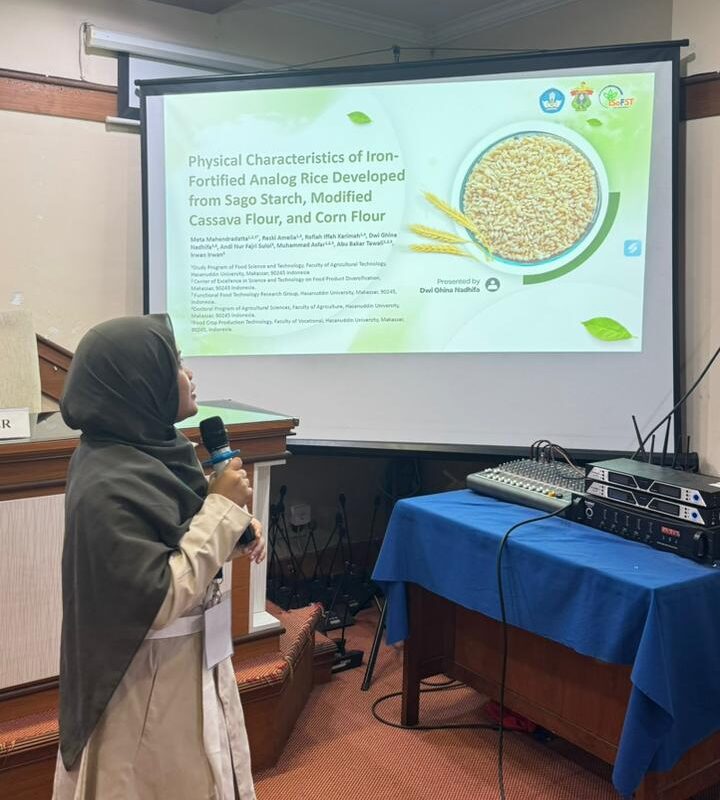
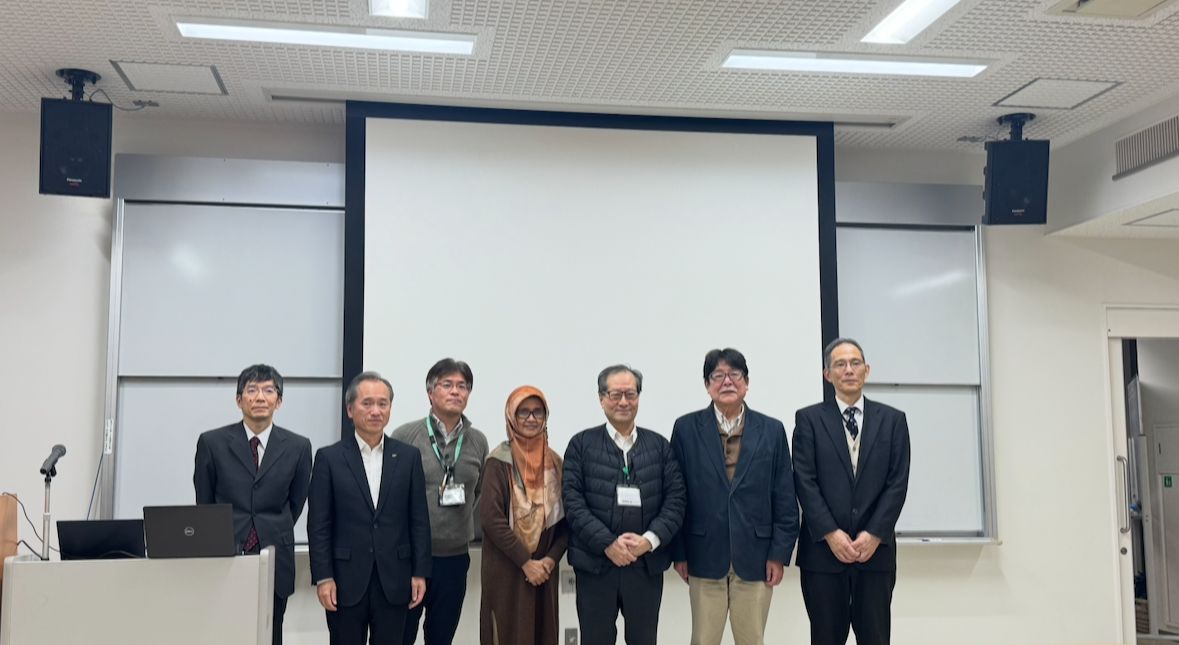
A highlight of the visit was Prof. Meta’s invited presentation at the 23rd Ishikawa Prefectural University Food Science Department Public Seminar. Addressing a diverse audience of scholars and industry experts, she delivered a presentation titled “Food Science Education and Research in Indonesia: Lessons Learned from International Collaboration at Hasanuddin University”
Her keynote focused on her current specialized research regarding Analog Rice—an essential field of study aimed at developing carbohydrate alternatives that offer better nutrition and food security. Her presentation not only showcased the high caliber of research coming out of Hasanuddin University but also opened the door for further international dialogue on sustainable food alternatives. This seminar was attended by 40 participants, consisting of lecturers, professionals, and students from food science background in Japan
This international exchange directly advances key Sustainable Development Goals, specifically SDG 17 (Partnerships for the Goals) and SDG 4 (Quality Education). By bridging academic institutions across Indonesia and Japan through shared doctoral supervision, research infrastructure tours, and joint public seminars, the initiative exemplifies how cross-border cooperation expands higher education capabilities and fosters high-level knowledge exchange. Furthermore, aligning local food research with global goals like food security demonstrates how international academic synergies can transform higher education into a powerful driver for sustainable research and innovation.