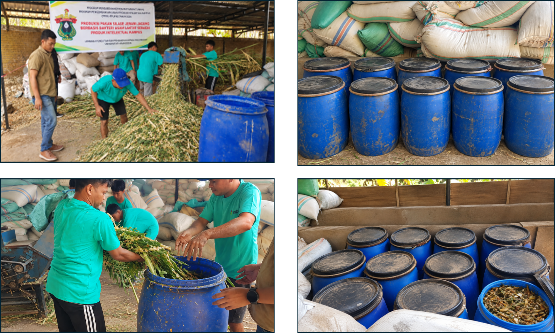

The Feed Technology and Industry Research Group (FeedTechRG), Universitas Hasanuddin (UNHAS) continues to contribute to sustainable livestock development through the application of innovative feed technologies that utilize locally available agricultural residues. One of its initiatives is the production of corn stover silage using lactic acid bacteria as a biological inoculant, developed as an intellectual product of the university. The activity was conducted at the Enhal Farm Business Group in Tompobulu, Maros, South Sulawesi, with the aim of improving the utilization of corn residues as a valuable feed resource for livestock farmers.
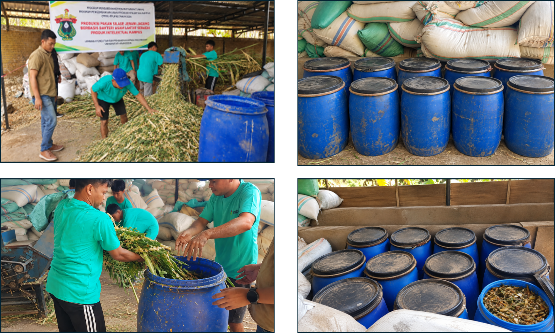
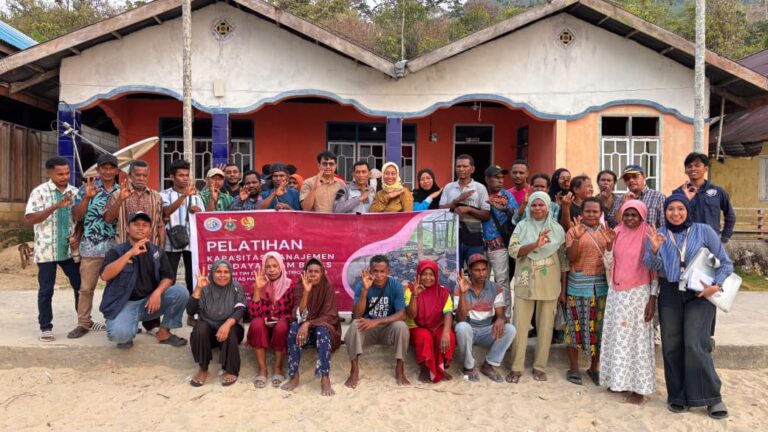
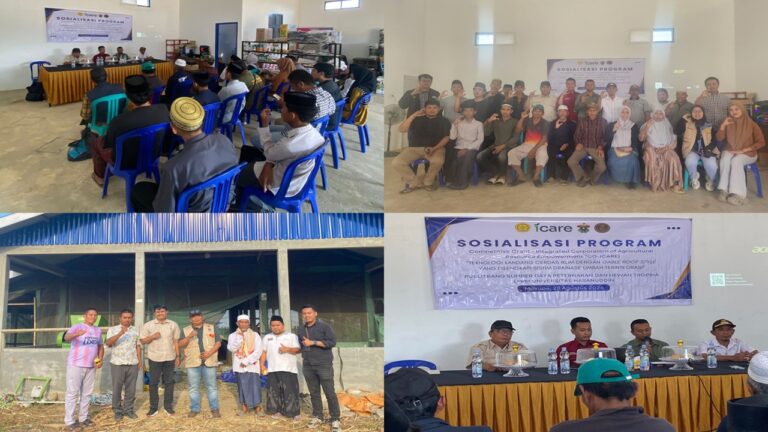
The activity was conducted on 25 July 2026 and involved 12 members of the Enhal Farm Business Group, who participated directly in the practical application of corn stover silage production technology. The participants received explanations and hands-on guidance on how agricultural residues can be processed into preserved feed with better utilization potential for livestock production.
The activity introduced practical techniques for processing fresh corn stover into fermented feed with improved preservation and nutritional value. Corn stover, which is commonly left in fields or discarded after maize harvesting, can become an important alternative feed resource when processed appropriately. Through ensiling technology, the material can be preserved for a longer period while reducing dependence on conventional forage resources, particularly during periods of limited feed availability.
The process began with chopping the corn stover into approximately 3–5 cm pieces to facilitate compaction and fermentation. The material was then adjusted to an appropriate moisture level before the application of SILACTA, a lactic acid bacteria-based inoculant developed to support controlled fermentation. Proper packing and anaerobic storage are essential to promote the production of lactic acid and reduce undesirable microbial activity. The resulting silage is expected to achieve stable fermentation with an appropriate pH, making it suitable for use as livestock feed.
Beyond the technical aspects, the activity provided members of the farmer group with practical knowledge that can be applied directly at the farm level. The approach encourages farmers to view agricultural residues not as waste, but as productive resources that can generate additional value within integrated crop–livestock systems. This contributes to more efficient resource utilization and supports environmentally responsible livestock production.
The initiative is closely connected with Sustainable Development Goal (SDG) 1 – No Poverty, as improved feed production can support more efficient livestock enterprises and create opportunities for strengthening household farm income. It also supports SDG 4 – Quality Education by transferring practical scientific knowledge and appropriate technology to farmers through direct learning and demonstration. Furthermore, collaboration between UNHAS, farmer groups, and local stakeholders reflects SDG 17 – Partnerships for the Goals, emphasizing the importance of institutional and community partnerships in translating research and innovation into practical solutions.
Through this activity, the initiative demonstrates how research and innovation can be transformed into practical technologies that respond to real challenges in livestock production. The development of corn stover silage based on lactic acid bacteria provides a pathway for strengthening local feed systems while promoting knowledge transfer, resource efficiency, and sustainable agricultural development in rural communities.