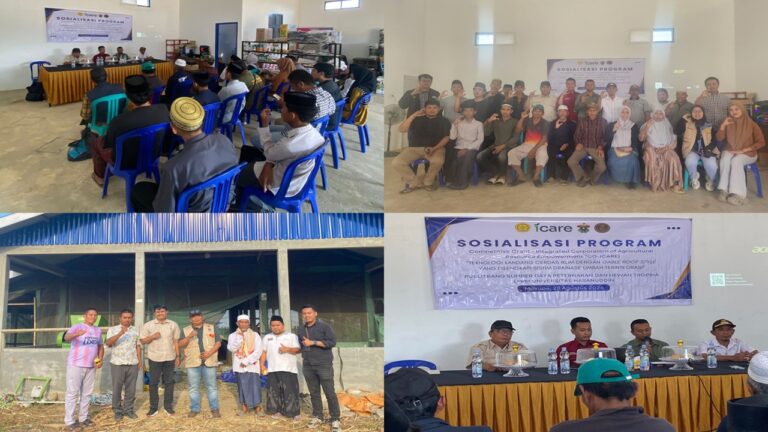
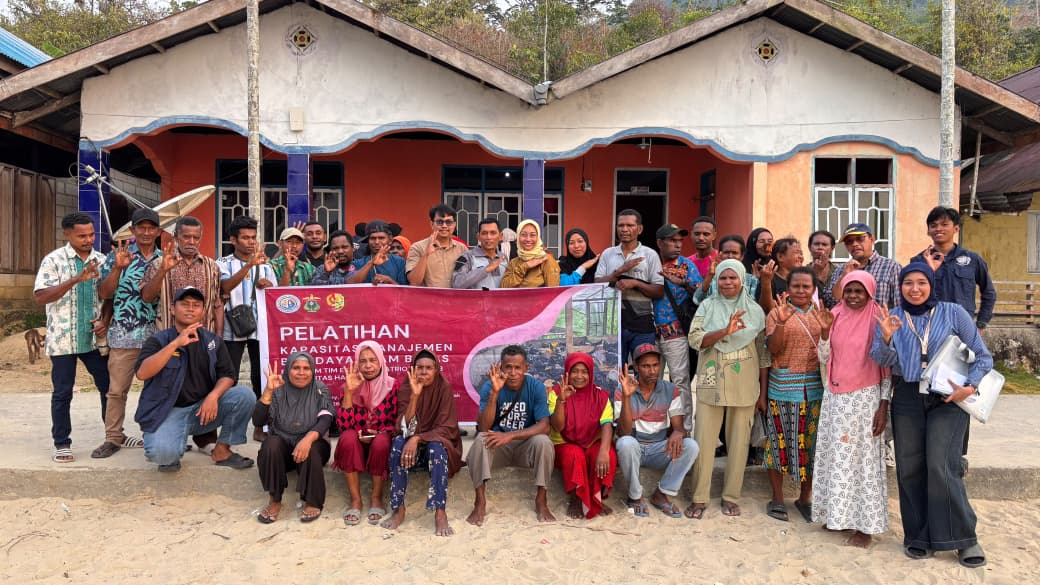

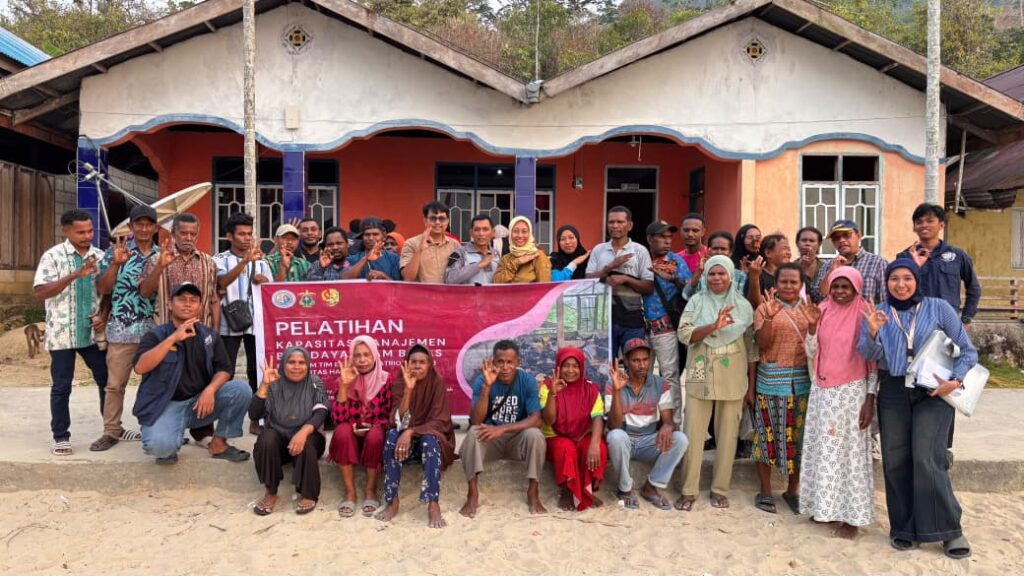
A training program on native chicken farming and feed management was conducted for livestock farmers and community members in Weri and Saharey Villages, East Fakfak District, Fakfak Regency, West Papua, on Friday, 11 September 2026. Organized by Team 13 of the Patriot Expedition of Universitas Hasanuddin (UNHAS), the activity aimed to strengthen local capacity in managing native chicken production through practical knowledge covering housing, health, and feeding practices.
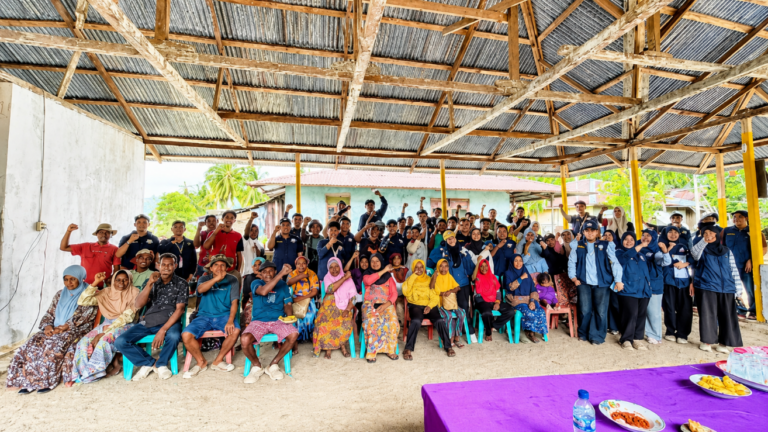
The training involved 40 participants, consisting of livestock farmers and community members from Weri and Saharey Villages. The strong participation demonstrated the community’s interest in developing native chicken farming as a potential source of food and household income. Native chickens are well suited to smallholder farming systems and can provide both animal protein and economic opportunities when supported by appropriate management practices.
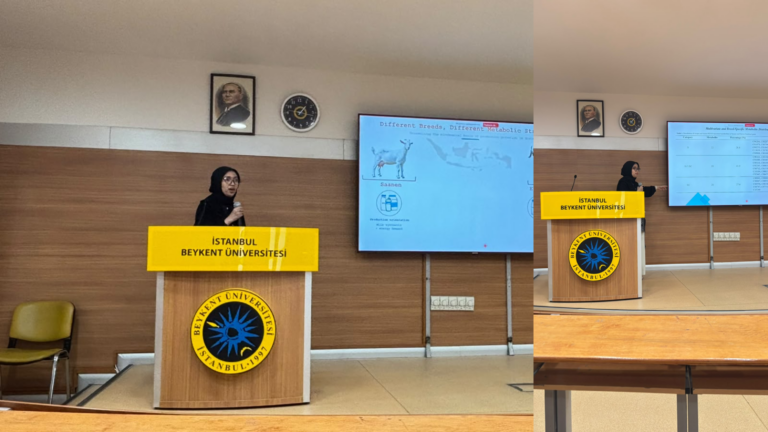
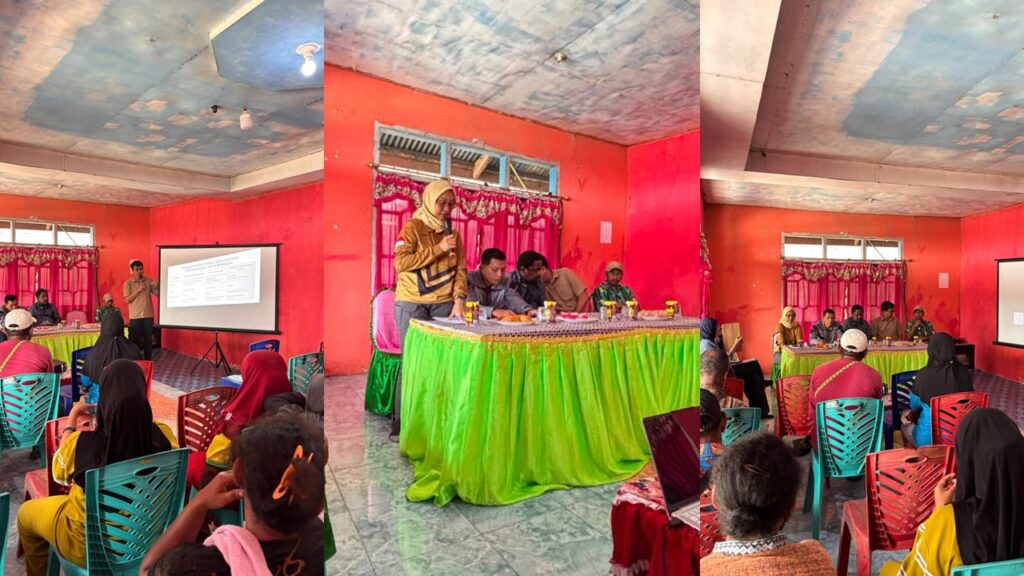
Three resource persons contributed to the training. Two speakers represented the Fakfak Regency Office of Agriculture and Food Security, namely Perdana Wahyudi Gultom, S.Pt., M.Pt. and Glorria Agnes Noor Hapsari Utami, S.KH. The other speakers were Dr. Ir. Hikmah M. Ali, S.Pt., M.Si., IPU, ASEAN Eng., a lecturer and member of the Feed Technology and Industry Research Group (FeedTechRG) at Universitas Hasanuddin, and Andi Muh Fuad Al Kautsar Walinono, S.Pt., M.Si., a researcher of FeedTechRG at Universitas Hasanuddin. Their complementary backgrounds provided participants with practical perspectives on livestock production and feed management.
The training addressed key aspects of native chicken farming, including housing management, disease prevention, and feed management. Participants learned about maintaining appropriate housing conditions, preventing poultry diseases, and providing feed according to the needs of native chickens. The discussion also introduced the potential use of locally available feed resources to support more efficient and affordable poultry production.
Feed management is particularly important in smallholder poultry systems because feed availability, quality, and cost can directly affect production performance and profitability. Improving farmers’ understanding of feed selection and utilization can help them make more informed decisions while adapting their production practices to resources available in their villages.
The activity was part of the Patriot Expedition Team 13 program, “Program Pengembangan Pemeliharaan Ayam Buras Berbasis Potensi Bahan Pakan Lokal.” The program seeks to improve farmers’ skills and encourage the development of native chicken farming as a productive and sustainable village-based enterprise.
The initiative contributes to Sustainable Development Goal (SDG) 1: No Poverty by supporting livelihood opportunities and potential household income through small-scale poultry farming. It also advances SDG 4: Quality Education by providing practical and accessible learning opportunities for farmers and community members. Furthermore, collaboration between UNHAS, the Fakfak Regency Office of Agriculture and Food Security, and local livestock communities supports SDG 17: Partnerships for the Goals, demonstrating the importance of multi-stakeholder cooperation in addressing rural development needs.
Participants welcomed the training because the materials were presented in a simple, practical, and relevant manner. The knowledge gained is expected to strengthen farmers’ ability to manage native chicken production and utilize local feed resources more effectively.