
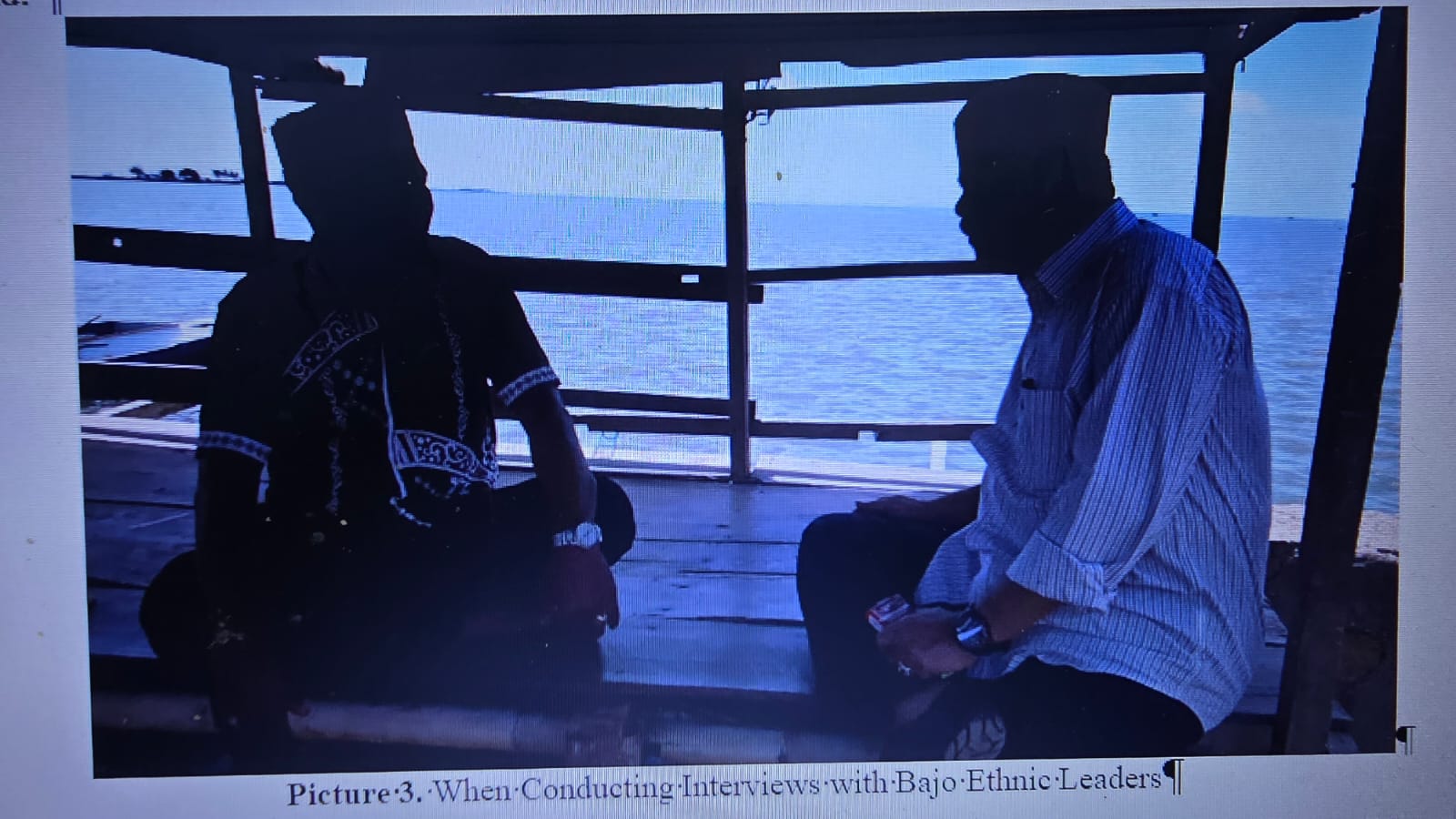

True academic depth is found where theoretical knowledge meets the lived reality of indigenous communities. On January 8, 2026, a significant ethnographic endeavor took place in Kelurahan Bajoe, Bone, titled the “Meeting with Bajo Customary Leaders.” The primary objective of this visit was to conduct intensive field interviews with the guardians of Bajo tradition, ensuring that their unique cultural narratives and maritime wisdom are preserved with accuracy and respect.
The gathering involved nine participants, including a dedicated research team from the Faculty of Cultural Sciences. The inclusion of student researchers—Fakhreny Fathu Rahman, Andi Nurul Mawaddah Malik, and Nurul Ilmi—reflects a commitment to transformative pedagogy. By placing students directly in the field, the faculty ensures that the next generation of Indonesian scholars possesses the empathy and methodological rigor required to document complex social structures. The narrative of the day was one of deep listening; as the customary leaders shared their insights, the research team worked to translate these oral traditions into a formal academic record that honors the identity of the “Sea Nomads.”
This grassroots engagement is a vital component of the Sustainable Development Goals (SDGs), specifically supporting SDG 4 (Quality Education). By moving beyond the classroom and into the heart of the Bajo community in Bone, the university facilitates a form of quality education that is both inclusive and culturally relevant. This field-based learning ensures that academic outputs are not detached from reality but are enriched by the authentic voices of indigenous authorities, thereby providing a more comprehensive understanding of Indonesia’s multicultural fabric.
Furthermore, the collaboration between academic researchers and customary leaders serves as a practical application of SDG 17 (Partnerships for the Goals). These local partnerships are the bedrock of sustainable research. By respecting traditional hierarchies and engaging in ethical dialogue with the leaders of Kelurahan Bajoe, the research team fosters a relationship of mutual trust. This cooperation is essential for the mobilization of indigenous knowledge, which is a key resource in achieving sustainable regional development and protecting cultural heritage in a rapidly changing world.
The insights gained from these interviews also hold significant value for SDG 1 (No Poverty). Often, the path to economic resilience for maritime communities is found within their own traditional practices and social capital. By documenting the socio-cultural systems of the Bajo people, this research helps identify internal strengths that can be leveraged for community empowerment. Understanding the traditional structures of the Bajo people is the first step toward creating inclusive policies that protect their livelihoods and ensure that economic progress does not come at the cost of cultural erasure.
As the meeting in Bone concluded, the data collected represented more than just academic notes; it stood as a testament to the enduring spirit of the Bajo people. Through this meticulous documentation, the Faculty of Cultural Sciences continues to bridge the gap between tradition and modernity, ensuring that the wisdom of the past informs a more equitable and sustainable future.


