
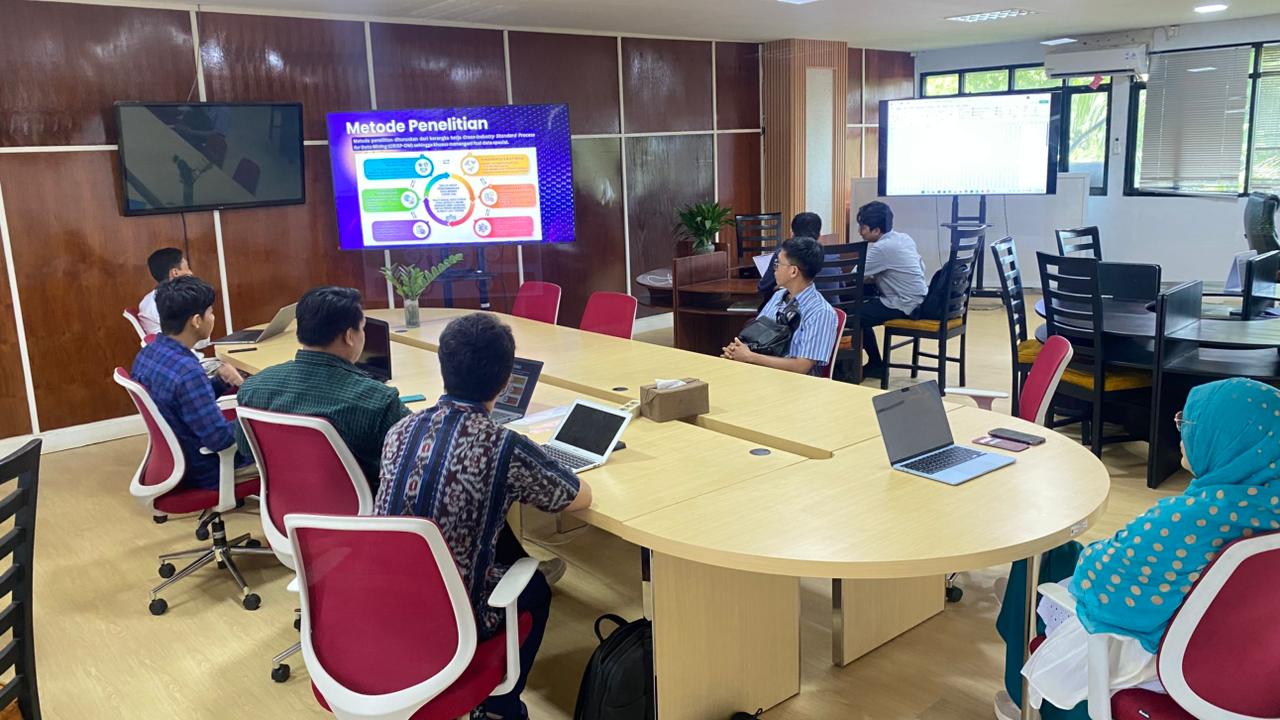

On April 4, 2026, a collaborative research discussion took place at the Coastal Marine Geospatial Laboratory, 5th Floor, LPPM Building. The activity involved 9 participants, bringing together experts in marine science and Data Science and Artificial Intelligence (DSAI) to explore potential research collaboration in seaweed biomass estimation using advanced data-driven approaches.
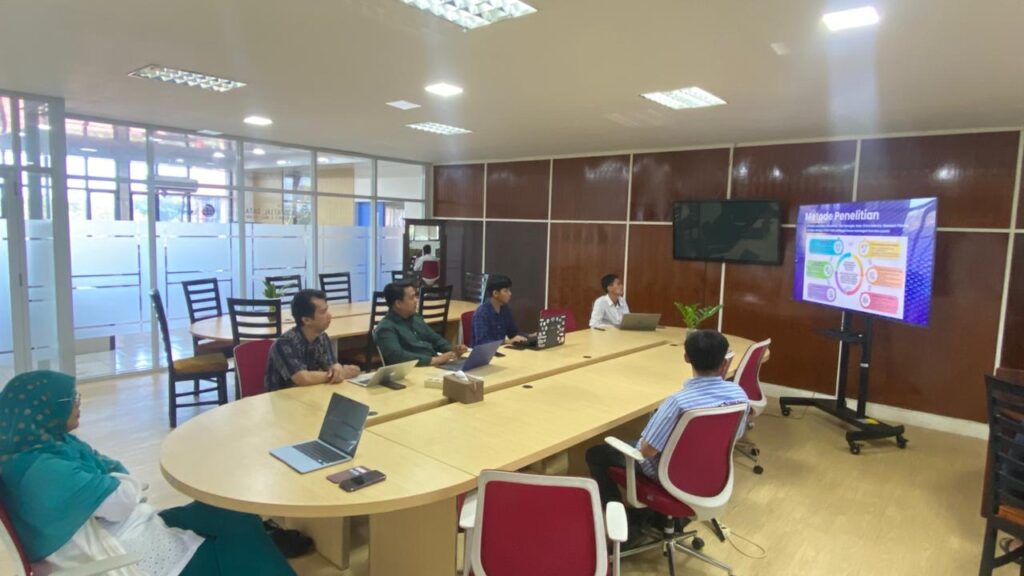
The participants included Prof. Dr. Nurjannah Nurdin, ST., M.Si. and Agus Aris, S.Kel., M.Sc. from the Geospatial Marine Laboratory, as well as Prof. Dr. Eng. Armin Lawi and students and researchers from the Data Science and Artificial Intelligence Team Research Group, including Sandy Yudha Brama Jaya, Sulfaldy Absar, Ahmad Fauzan, Januansyah, Rahmatullah R and several other participants. Overall, this initiative highlights the importance of integrating advanced artificial intelligence approaches with marine and coastal research, while also providing meaningful learning experiences for students and strengthening interdisciplinary collaboration to address real-world environmental and aquaculture challenges.
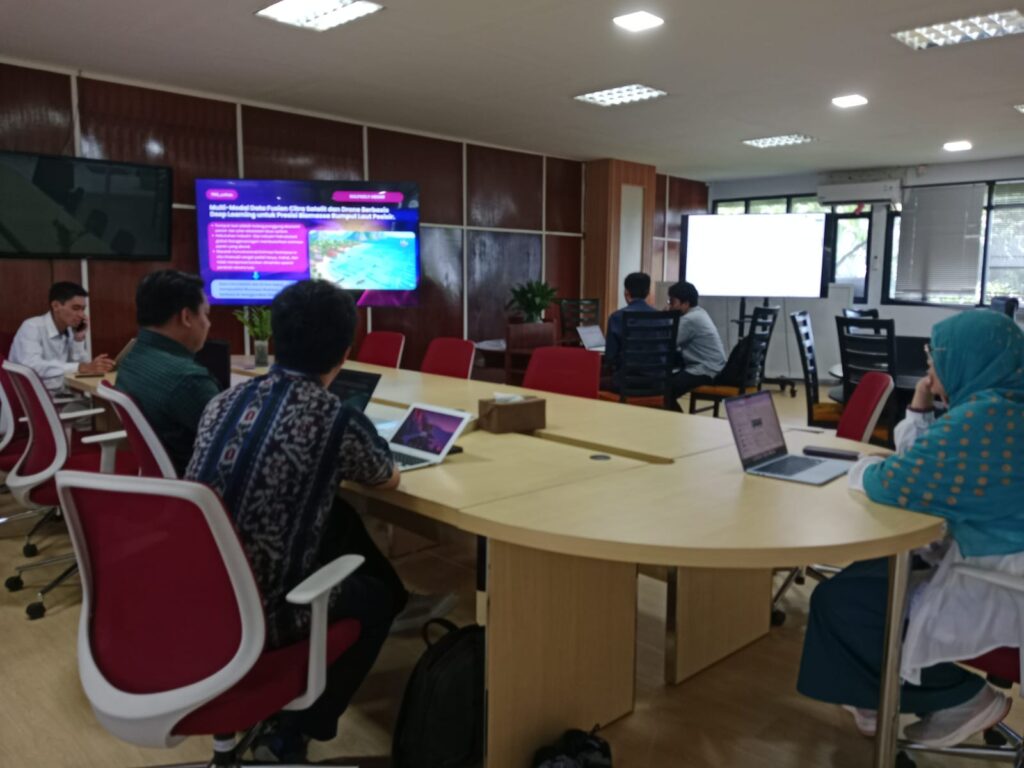
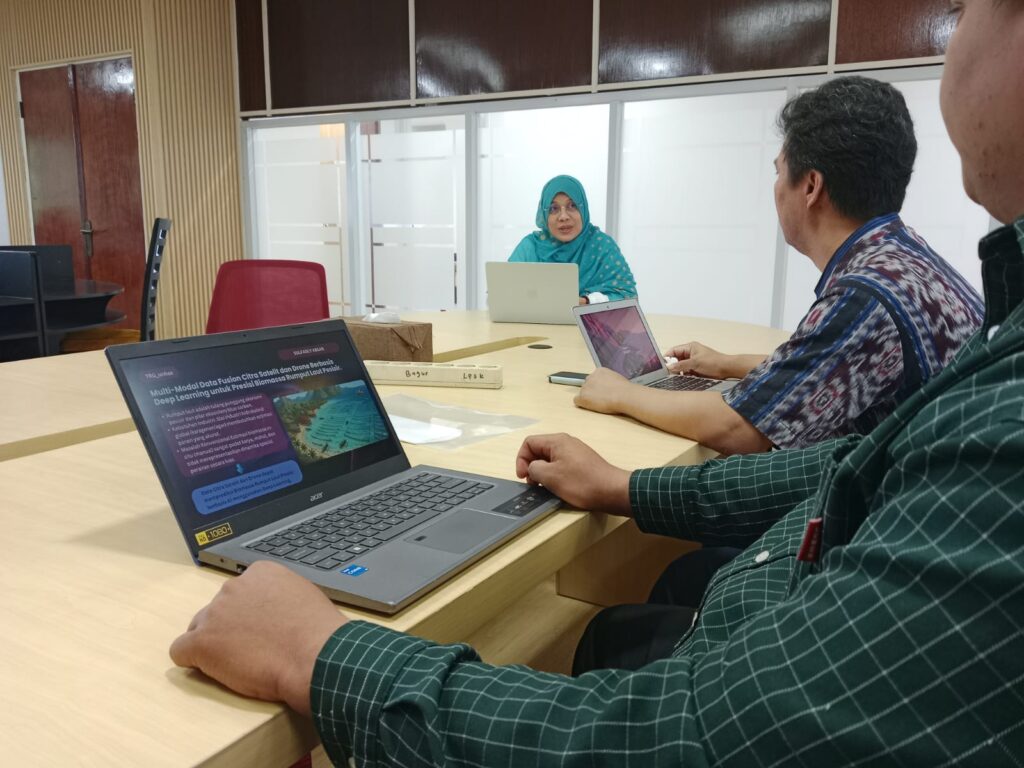
The discussion was anchored by Prof. Dr. Nurjannah Nurdin, ST., M.Si., alongside Prof. Dr. Eng. Armin Lawi, S.Si., M.Eng. and the Data Science and Artificial Intelligence Team. From the outset, the atmosphere reflected a shared curiosity: how can advanced AI methods be effectively adapted to complex, real-world marine datasets? The conversation quickly evolved into a dynamic exploration of possibilities and limitations, where ideas flowed openly across disciplinary boundaries.
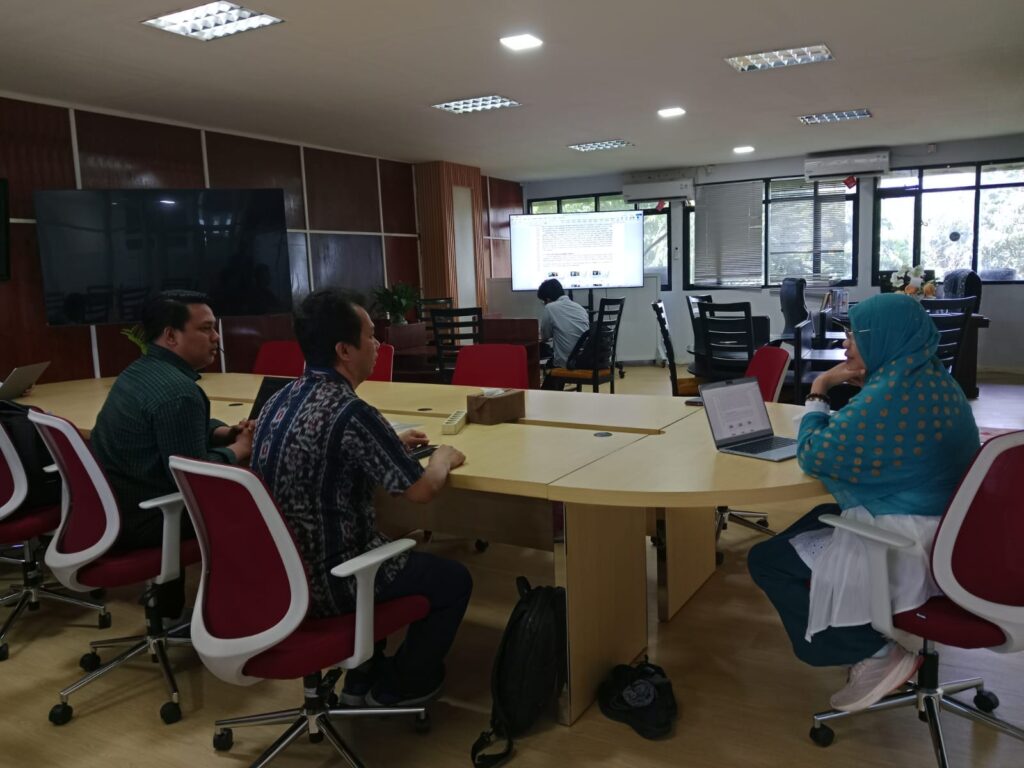
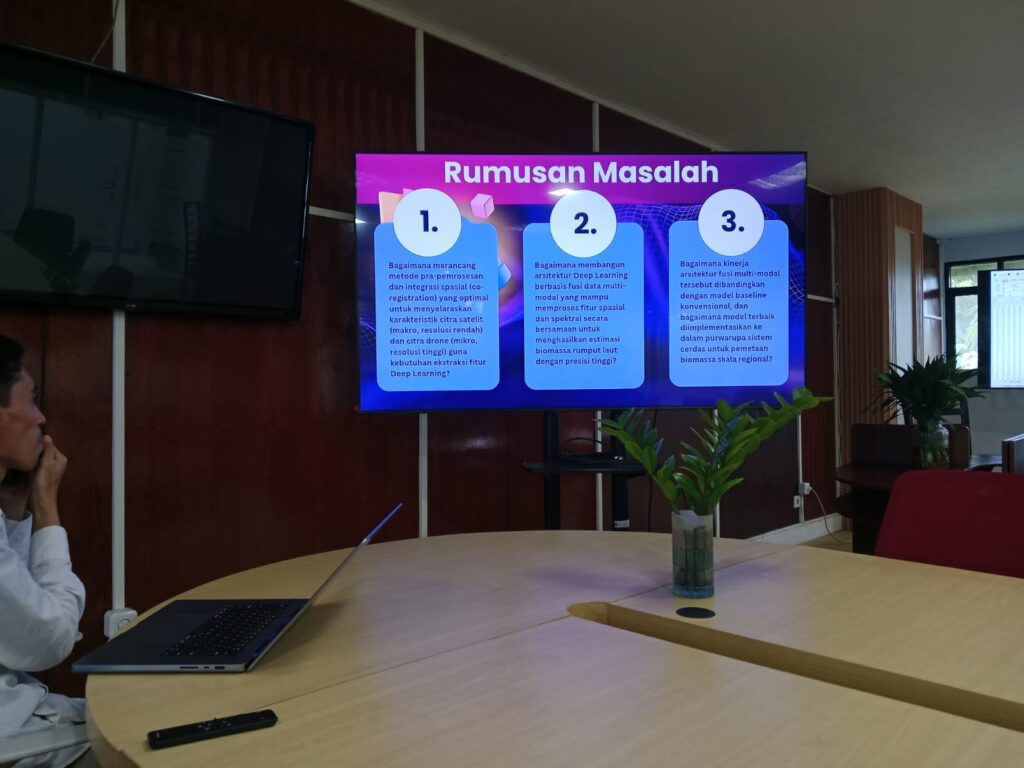
A central focus was the use of drone-based datasets characterized by extremely high spatial resolution and rich multispectral information—capturing multiple bands beyond standard RGB imagery. While such data offer immense potential for precise biomass estimation, they also introduce significant computational and methodological challenges. One key issue raised was the difficulty of applying deep learning models, which typically require fixed input sizes. When dealing with ultra-high-resolution drone imagery, resizing or patching strategies often lead to misclassification and misdetection, reducing model reliability in coastal environments.
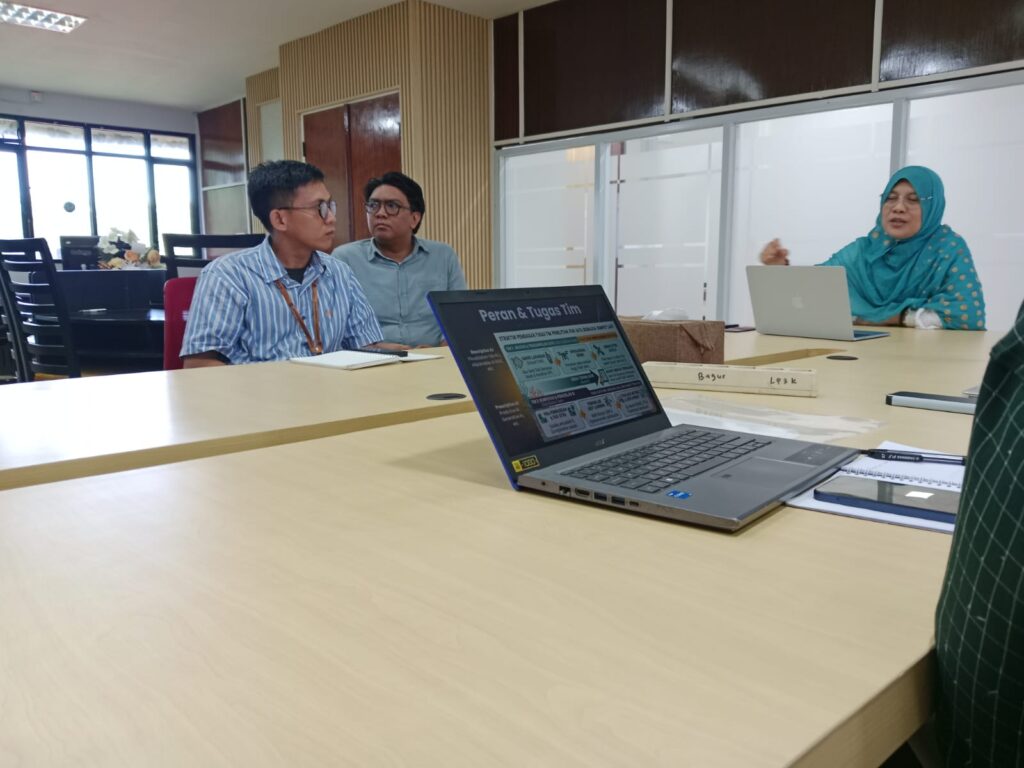
This limitation sparked a critical reflection on current methodologies. Interestingly, despite the global momentum of deep learning, participants highlighted that traditional machine learning approaches—particularly Random Forest—remain more stable and reliable in this specific context. Drawing from recent scientific studies on multispectral drone imagery for seaweed mapping, Random Forest has demonstrated robustness in handling high-dimensional spectral data without requiring rigid input constraints, making it more adaptable for heterogeneous coastal landscapes.
Beyond technical discussions, the session emphasized broader implications. Accurate seaweed biomass estimation is not merely an academic pursuit—it directly impacts coastal livelihoods and sustainable aquaculture practices. In this sense, the initiative aligns strongly with SDG 1 (No Poverty) by supporting economic resilience in coastal communities, SDG 4 (Quality Education) through knowledge sharing and student involvement, and SDG 17 (Partnerships for the Goals) by fostering interdisciplinary collaboration. Additionally, the research contributes to SDG 14 (Life Below Water) by promoting sustainable marine resource management.
The meeting concluded with a shared vision to initiate joint research that integrates AI-driven methodologies with marine science expertise. Rather than positioning deep learning as a one-size-fits-all solution, the discussion highlighted the importance of methodological flexibility—choosing the right tool for the right problem. This mindset reflects a maturing perspective in applied AI: innovation is not only about adopting the latest technology, but also about understanding its limitations in real-world contexts.
Through this collaborative dialogue, the discussion highlights the vast research opportunities that can emerge from integrating marine science with data science and artificial intelligence, opening pathways for large-scale, multidisciplinary innovations in addressing complex coastal and environmental challenges.