
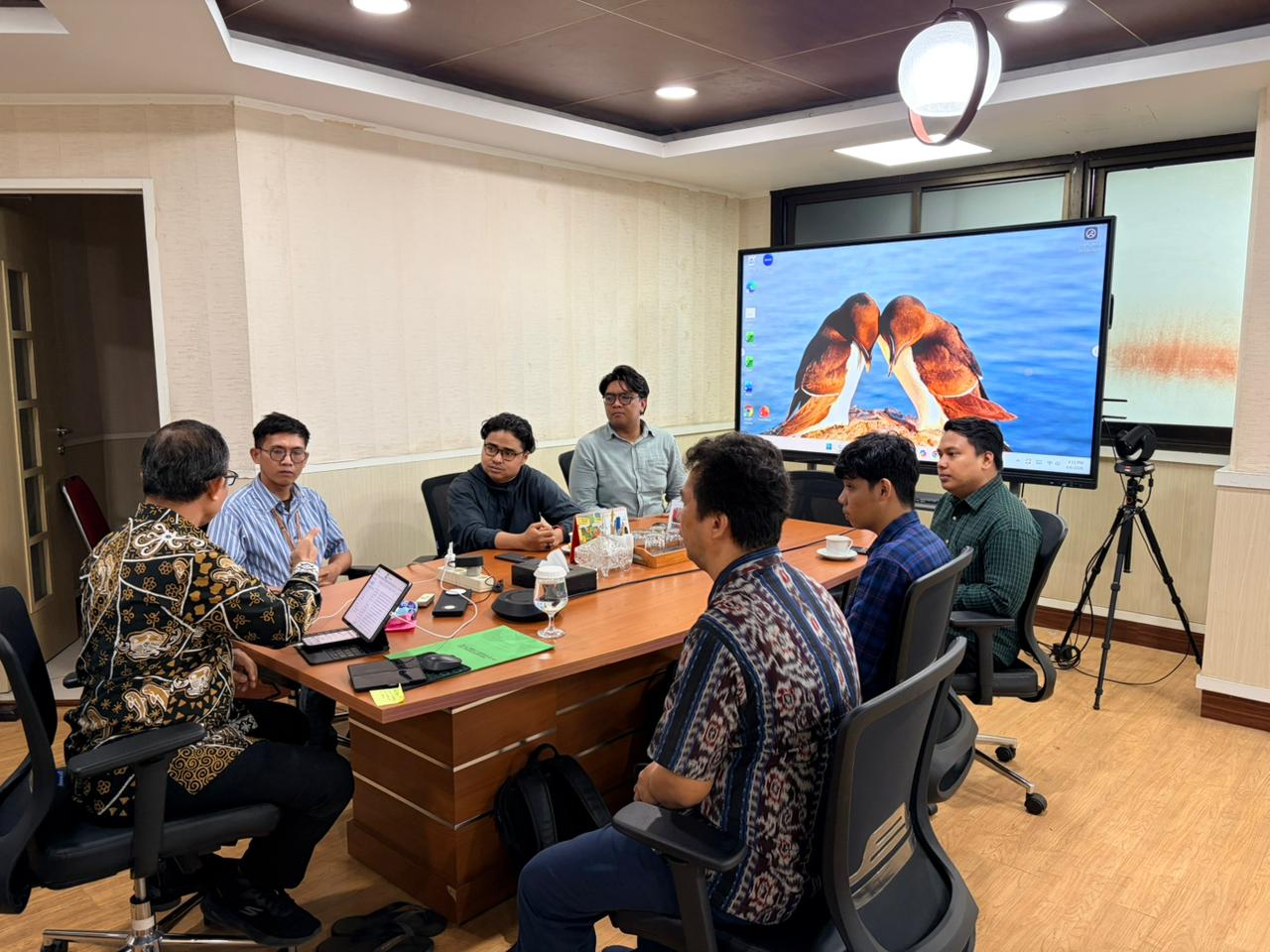

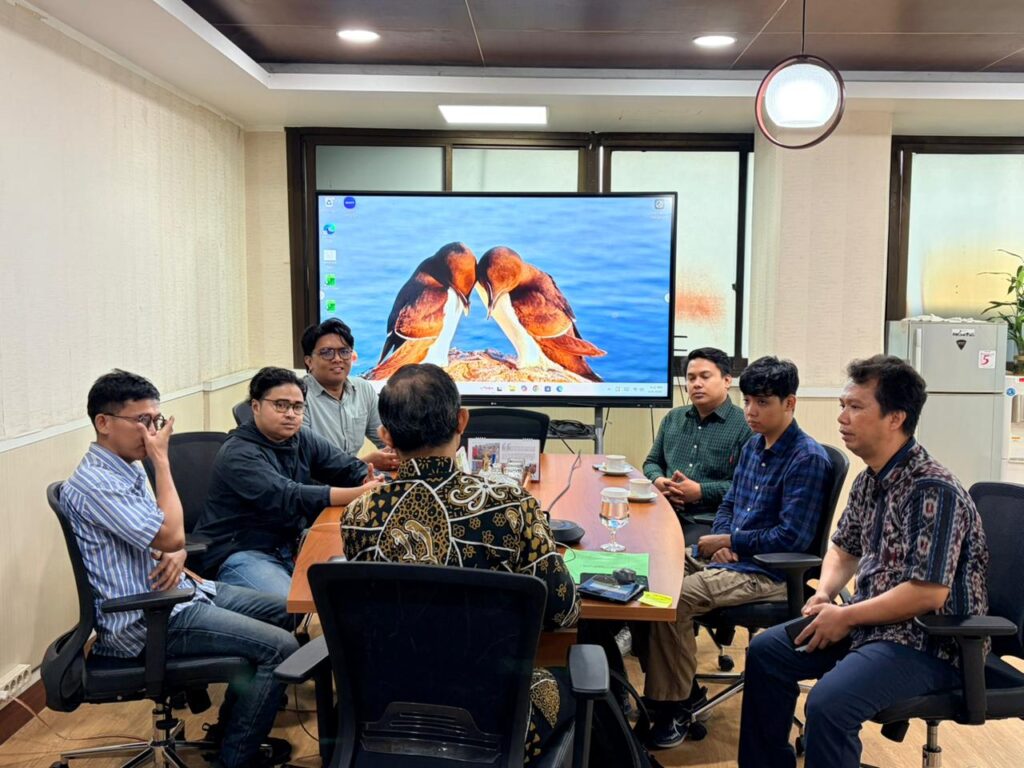
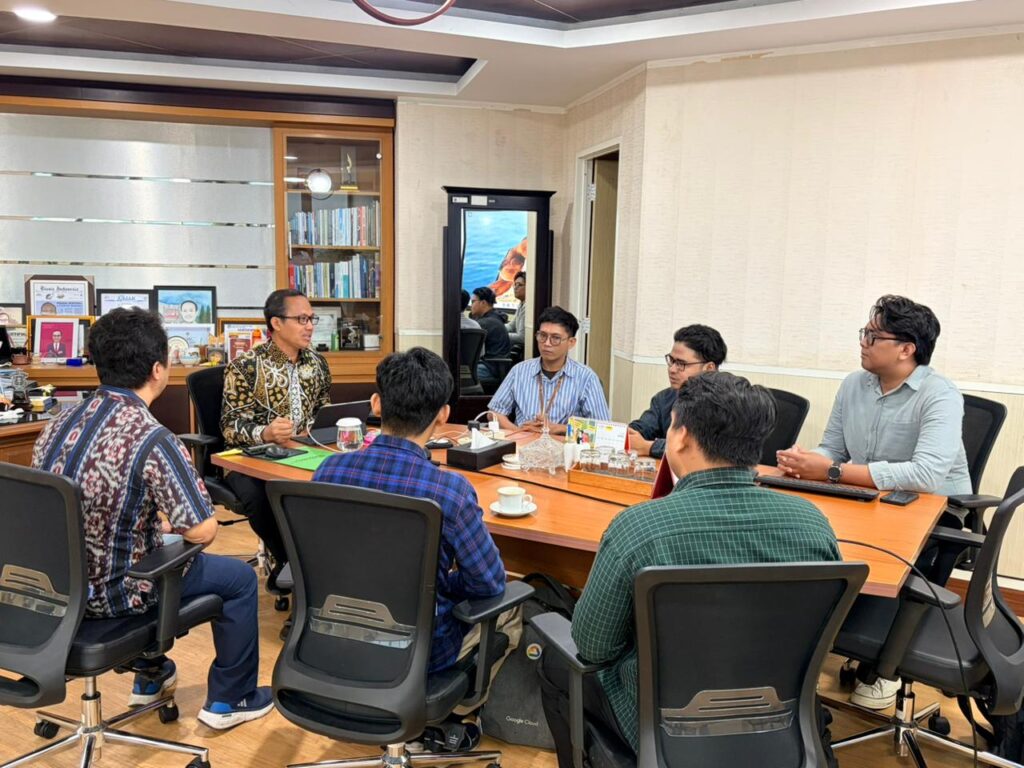
On April 4, 2026, a thoughtful and forward-looking academic discussion unfolded in the WR1 Room on the 7th floor of the Rectorate Building at Universitas Hasanuddin. The activity involved 7 participants, bringing together senior academics and emerging scholars in a reflective space to explore opportunities for international study in Japan and the increasingly complex landscape of global research funding.
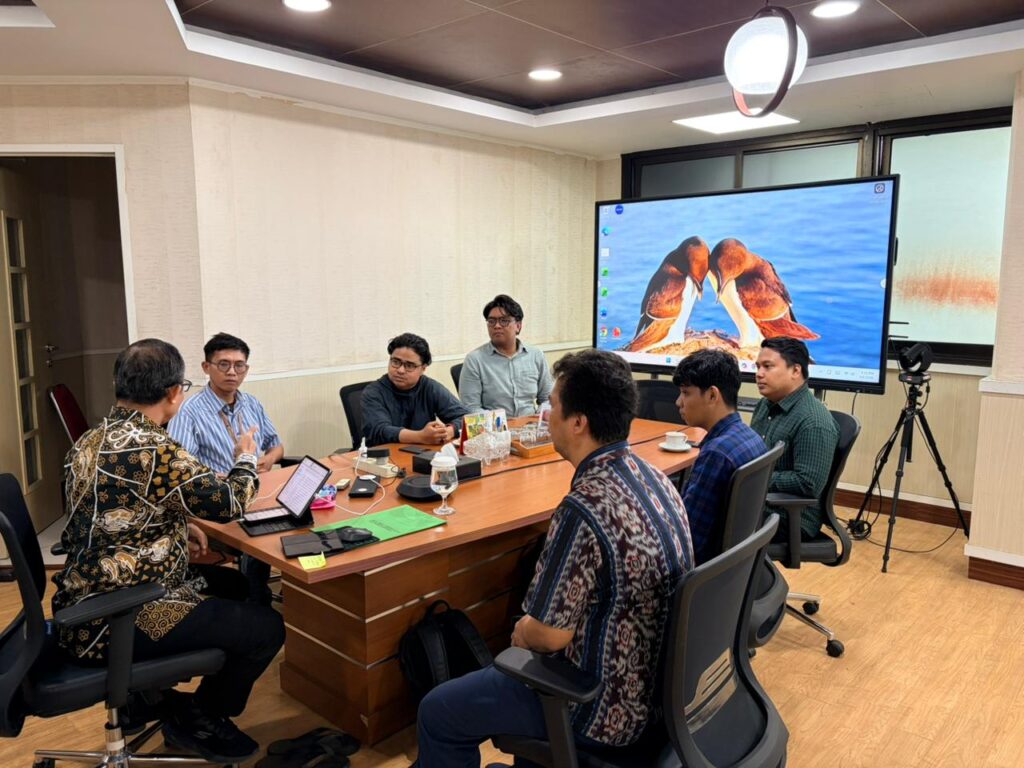
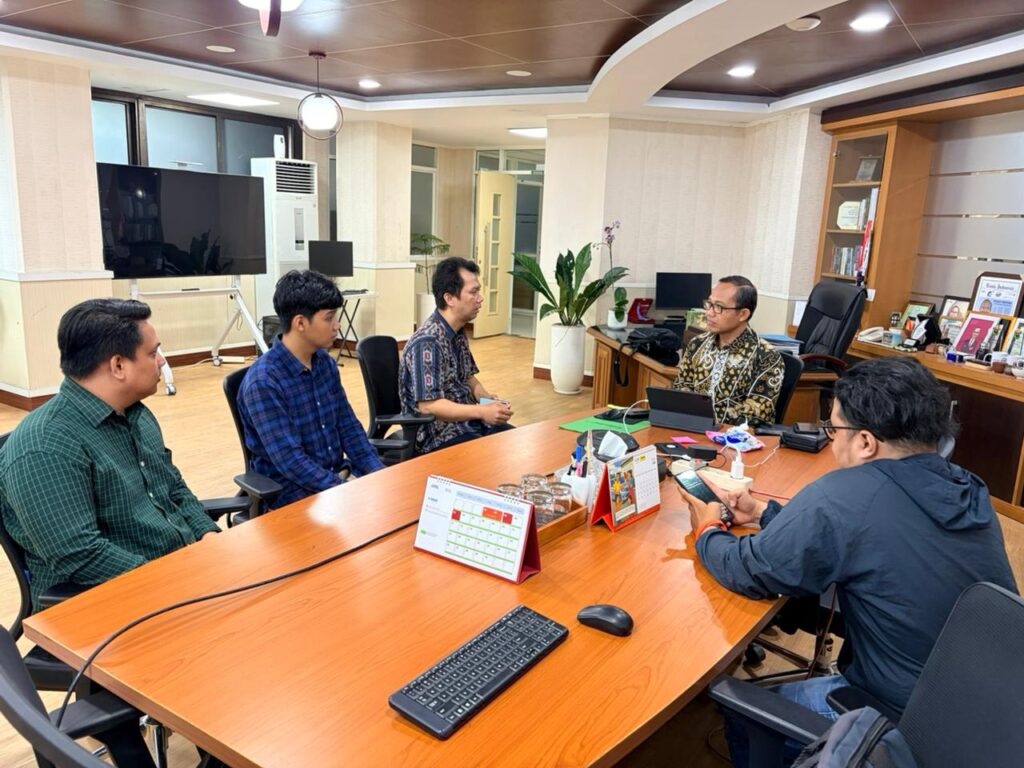
The discussion was attended by Prof. drg. Muhammad Ruslin, M.Kes., Ph.D., Sp.BM and Prof. Dr. Eng. Armin Lawi, S.Si., M.Eng., alongside a group of students and young researchers including Sandy Yudha Brama Jaya, Sulfaldy Absar, Ahmad Fauzan, Januansyah, and Rahmatullah R. Their diverse academic backgrounds created a dynamic environment where strategic insights and practical experiences could be openly exchanged.
A central theme that emerged was the critical importance of prior scientific publication. It was emphasized that researchers seeking international funding must already demonstrate academic credibility through publications, as these serve as a gateway to global recognition. Without this foundation, accessing competitive funding schemes becomes significantly more challenging. This insight reframed the idea of “going international” not as a starting point, but as a continuation of an already established academic journey.
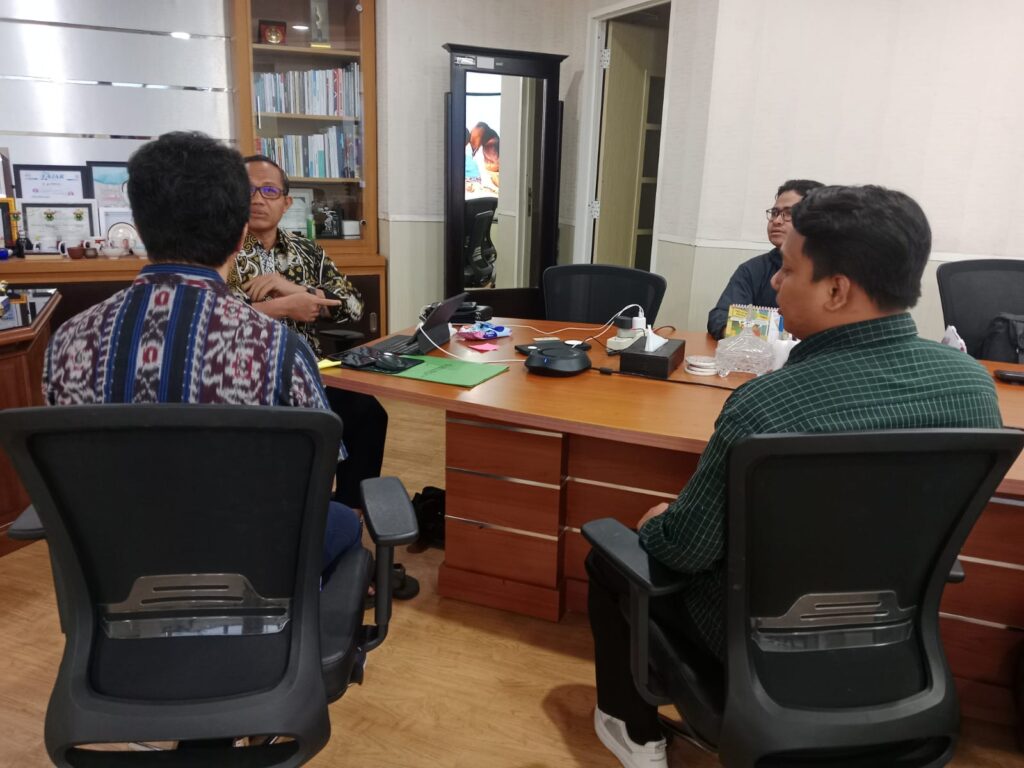
Equally significant was the discussion on how to approach opportunities in Japan. Participants highlighted that traveling to Japan should not merely be seen as attending programs, but as a strategic move to present research and actively seek collaboration with Japanese professors or “sensei.” It is through these academic interactions that funding opportunities often emerge organically, driven by shared research interests and mutual intellectual engagement.
However, the conversation also revealed a structural limitation within the current system. It was noted that internal funding support at UNHAS is primarily available only to lecturers with ASN status, leaving students without direct access to such institutional resources. This gap in funding accessibility sparked a deeper reflection on equity in academic opportunities, particularly for students who aspire to participate in global academic ecosystems.
In response to this limitation, alternative pathways were explored. Programs such as Australia Awards and other external funding schemes were identified as viable options, alongside short-term academic programs like summer schools and winter schools in Japan. These opportunities were seen not only as entry points into international exposure but also as stepping stones toward longer-term collaborations.
One particularly strategic recommendation stood out: sending research drafts directly to Japanese professors. This approach, though simple, reflects a proactive mindset—transforming passive interest into active engagement. By initiating contact with potential collaborators, students and researchers can open doors to joint research, mentorship, and even scholarship opportunities.
Beyond the technical aspects, the discussion carried a deeper reflection on the evolving nature of academic mobility. It highlighted that success in international academia is not solely determined by funding availability, but by preparedness, initiative, and the ability to build meaningful academic networks.
This activity resonates strongly with SDG 4 (Quality Education) by promoting access to global learning opportunities, SDG 17 (Partnerships for the Goals) through the encouragement of international collaboration, and SDG 1 (No Poverty) by addressing the importance of equitable access to funding and academic advancement.
Ultimately, the session served as a reminder that entering the global academic stage requires more than ambition—it demands strategy, resilience, and a willingness to engage beyond borders.