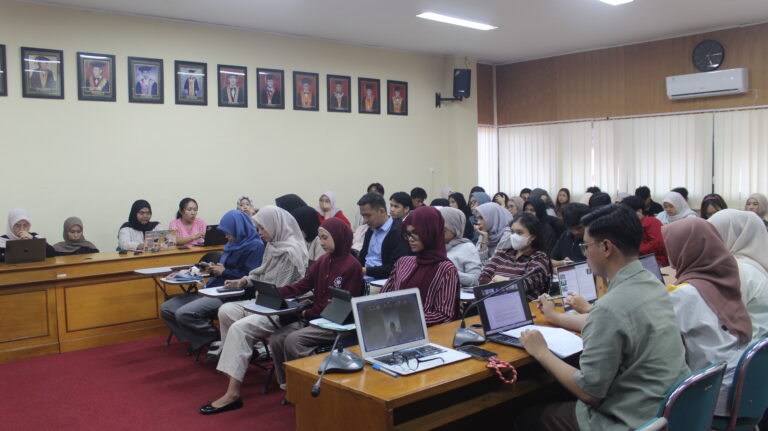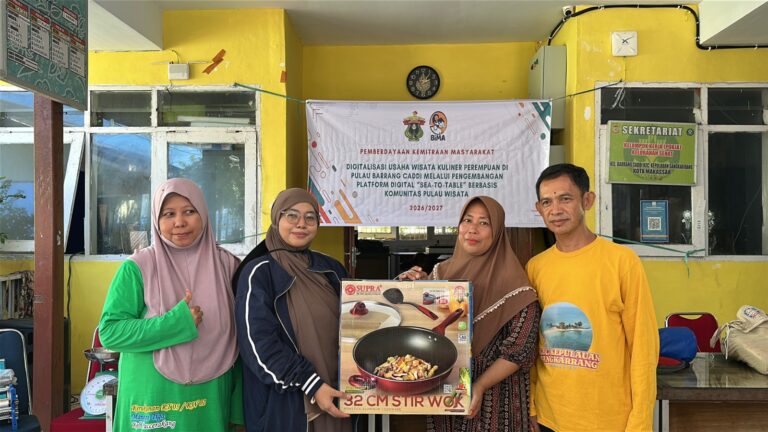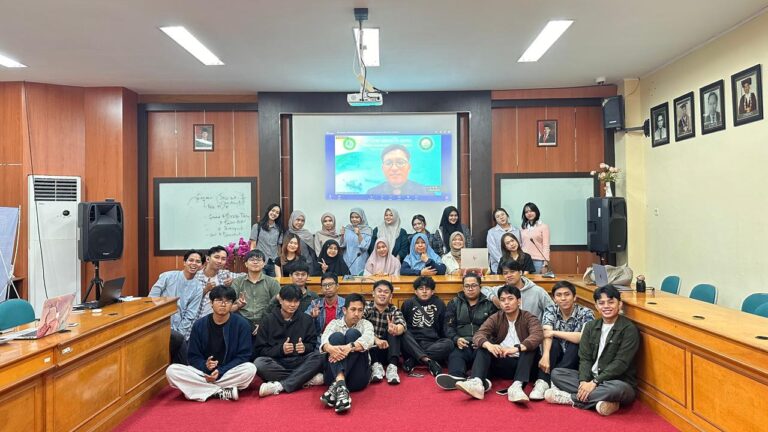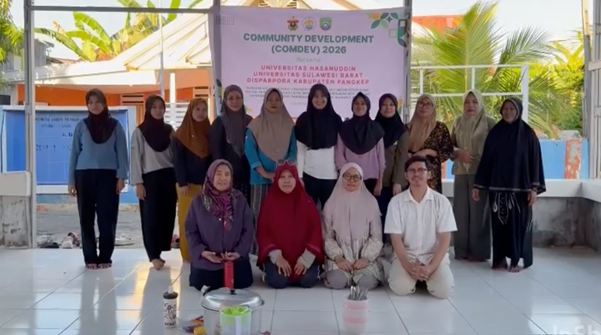

Laiya Island – The community engagement program entitled “Integrating Cultural Security Diplomacy and Tourism Education for Sustainable Development in Small Island Communities through Case Study Design” was implemented on 14 April 2026 and 15 June 2026 in Laiya Island, Mattiro Labangeng Village, Liukang Tupabbiring Utara District, Pangkajene and Islands Regency, South Sulawesi Province, Indonesia. The program was funded by the Indonesia Endowment Fund for Education (LPDP) under the Equity – Community Development 2026 scheme. Its primary objective was to strengthen the capacities of women engaged in tourism-related businesses by integrating cultural security diplomacy and tourism education to support sustainable economic development in small island communities.
Before implementing the activities, the community engagement team conducted discussions with the village government and local women’s groups to identify community needs and tourism-related challenges. The program brought together 15 women entrepreneurs actively involved in tourism businesses, the village head and five village staff members, five lecturers, namely Seniwati and Munif Arif Ranti from the Department of International Relations, Faculty of Social and Political Sciences, Hasanuddin University; Rahmatiah from the Faculty of Economics and Business, Hasanuddin University; Sumarsih from the Department of Management, Faculty of Economics, Universitas Sulawesi Barat; and David Jimoh Kayode from the Faculty of Education, University of Ilorin, Nigeria. The activities also involved three undergraduate students who assisted in facilitating training sessions and community mentoring.
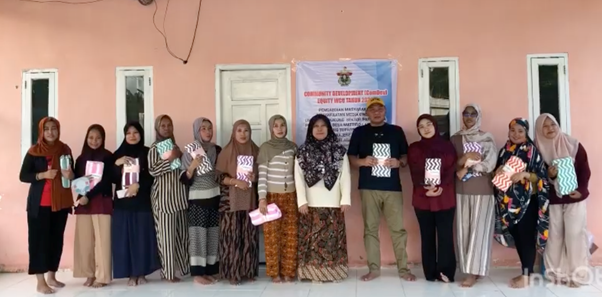
The program combined lectures, participatory discussions, practical demonstrations, and hands-on mentoring using a case study approach. The community engagement team provided support in the form of processed fish raw materials to be utilized as business capital for developing local food products. Participants received practical training on hygienic seafood processing techniques, food preservation, packaging, and product quality improvement so that marine products could be marketed beyond the island rather than being limited to household consumption. Additional sessions focused on financial management, enabling participants to calculate production costs, manage business finances efficiently, determine selling prices, and improve business sustainability. To expand market access, the team also introduced online marketing strategies, including the use of social media and digital platforms to promote local culinary products to domestic and international tourists. Throughout the training, cultural security diplomacy was integrated into tourism education by encouraging participants to preserve local traditions, strengthen community identity, and promote responsible tourism as part of sustainable destination development.
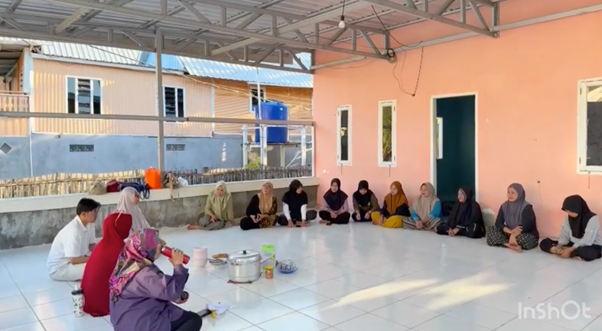
This community engagement initiative contributes directly to the United Nations Sustainable Development Goals (SDGs). It supports SDG 1 (No Poverty) by improving women’s entrepreneurial capacity and generating sustainable income opportunities through value-added marine products. It advances SDG 4 (Quality Education) by providing practical education in entrepreneurship, financial literacy, digital marketing, and tourism management. The promotion of sustainable seafood processing and responsible utilization of marine resources contributes to SDG 14 (Life Below Water), while collaboration among LPDP, Hasanuddin University, Universitas Sulawesi Barat, the University of Ilorin (Nigeria), village authorities, students, and the local community demonstrates the importance of SDG 17 (Partnerships for the Goals) in fostering inclusive and sustainable development for small island communities.