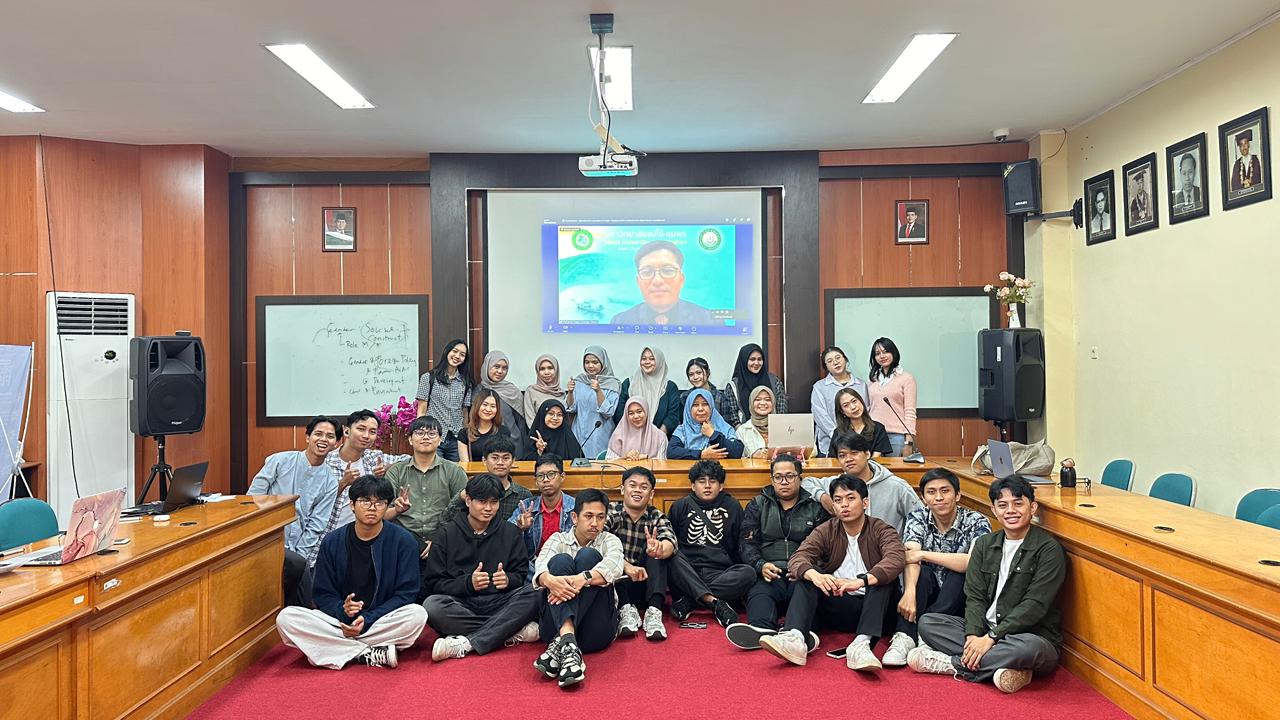

Makassar – The Department of International Relations in collaboration with Counter Terrorism Research Group successfully organized an international academic session entitled “International Cooperation in Counter Terrorism and Its Implications for Global Tourism Development” on Wednesday, 29 April 2026, at 13.00 WITA | 12.00 Thailand Time. Held at the Department of International Relations, the event brought together academics and students to discuss the growing importance of international cooperation in counter terrorism and its implications for the development of global tourism within the contemporary international system.
The academic session was conducted in collaboration with Prof. Chumphon Angkananon, Ph.D. from Maejo University, who served as the international partner and keynote speaker. His presentation highlighted the evolving nature of terrorism as a transnational security challenge that requires coordinated responses among states, international organizations, and other relevant stakeholders. The discussion emphasized that international cooperation remains essential in strengthening security governance, promoting regional stability, and fostering sustainable tourism development.
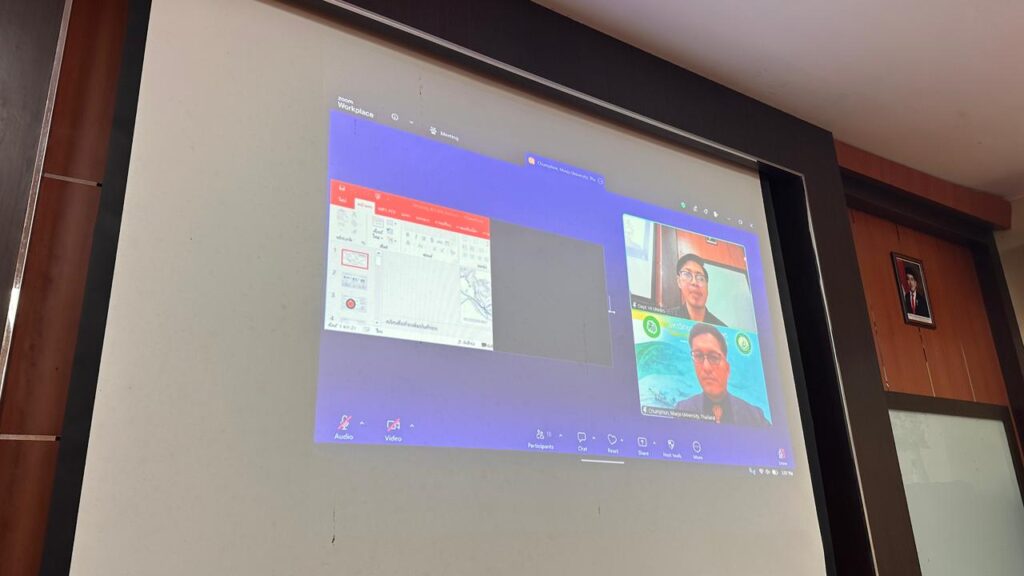
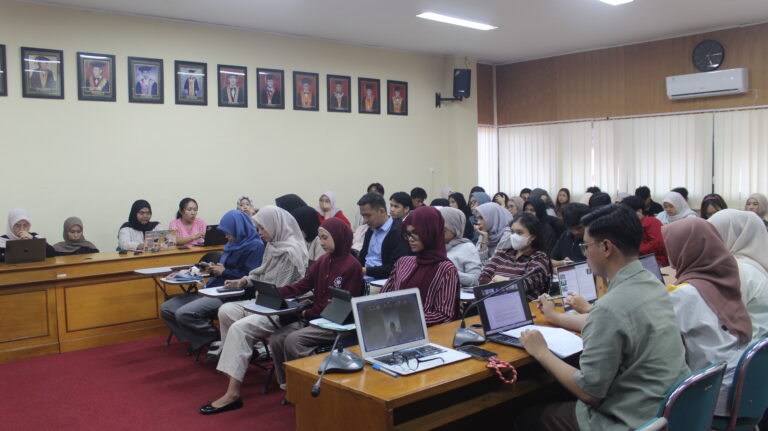
A total of 56 participants attended the event, actively engaging in discussions on the intersection of international security, diplomacy, and tourism. Throughout the session, participants explored how security governance, transnational cooperation, and sustainable tourism have become increasingly interconnected in contemporary international relations. The forum also encouraged participants to examine current global security challenges through multidisciplinary perspectives while identifying collaborative approaches to maintaining safe and resilient tourism destinations.
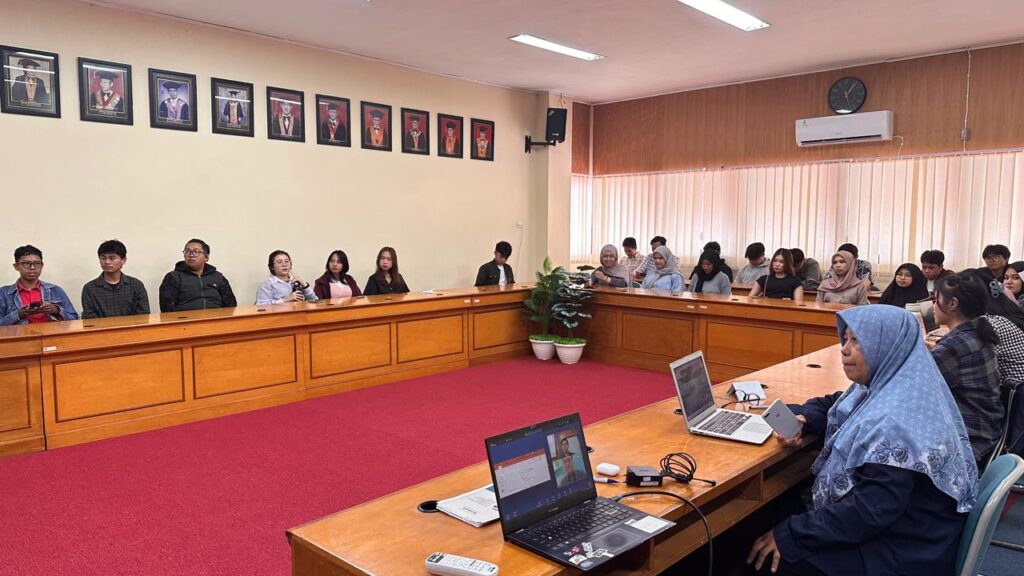
The event also reflected the Department’s commitment to strengthening international academic engagement by facilitating knowledge exchange between Indonesian and international scholars. Through comparative insights and interactive discussions, participants gained a broader understanding of how collaborative policies, intelligence sharing, institutional coordination, and multilateral diplomacy contribute to addressing terrorism threats while maintaining public confidence in international tourism.
The active participation of students further enriched the academic atmosphere of the event. Among those involved were Muhammad Aflahal Mukmin, Asy Syifa Keke Saribulan, and Syifa Nurul Sabila, whose engagement demonstrated the Department’s continuous commitment to fostering globally competent graduates capable of responding to complex international issues through critical analysis and collaborative learning.
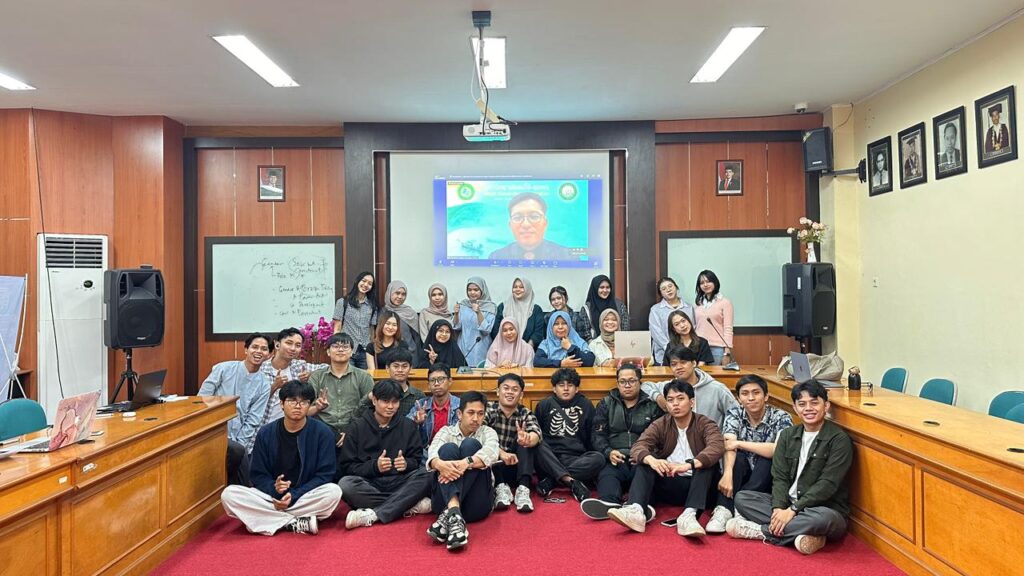
Beyond serving as an academic forum, the activity contributed to the implementation of the United Nations Sustainable Development Goals (SDGs). The program directly supported SDG 4: Quality Education by providing students with access to international learning experiences and contemporary discussions on global governance and security issues. It also reinforced SDG 17: Partnerships for the Goals through academic collaboration between the Department of International Relations and Maejo University, demonstrating the importance of international partnerships in advancing higher education, research collaboration, and knowledge exchange across borders. Furthermore, the discussion highlighted the relevance of SDG 1: No Poverty, recognizing that a secure and resilient tourism sector creates employment opportunities, supports local economies, and contributes to sustainable livelihoods by reducing the socio-economic impacts of insecurity and terrorism.
Through this international academic initiative, the Department of International Relations reaffirmed its commitment to promoting globally oriented education, strengthening international collaboration, and encouraging critical engagement with contemporary global challenges. By connecting counter terrorism, international cooperation, and sustainable tourism development, the event underscored the importance of collective action in building a more secure, inclusive, and sustainable future.