
International scientific exchange is an important step in transforming institutional partnerships into active and sustainable research collaboration. Building on the cooperation between the Faculty of Agriculture, Hasanuddin University (UNHAS), Indonesia, and the Shandong Academy of Agricultural Sciences (SAAS), China, researchers and members of the Tropical Research Group (TRG) strengthened their scientific network through direct interaction, knowledge exchange, and participation in international agricultural science activities in Shandong Province, China.
The activity provided an opportunity to expand researcher-to-researcher collaboration in maize breeding, genetics, cultivation technology, and agricultural innovation, while also strengthening the connection between institutional cooperation and the development of international research networks.
Scientific Collaboration with Zhaohua Ding
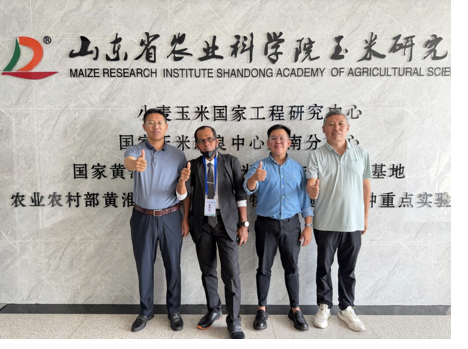
An important component of this activity was scientific interaction with Zhaohua Ding from the Maize Research Institute, Shandong Academy of Agricultural Sciences (SAAS), Jinan, China.
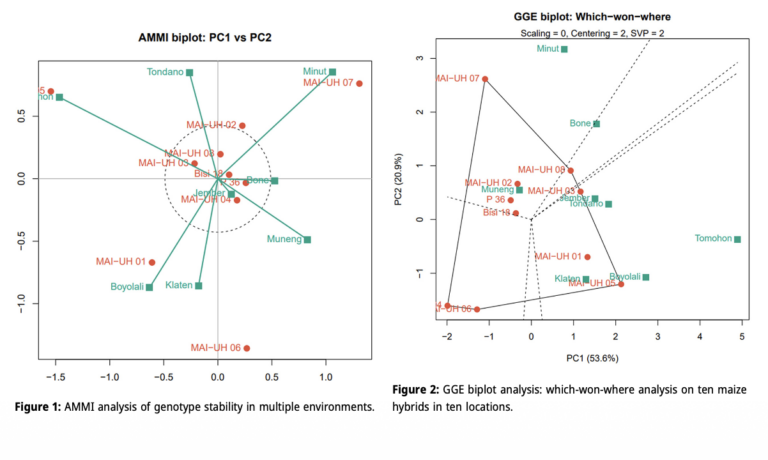
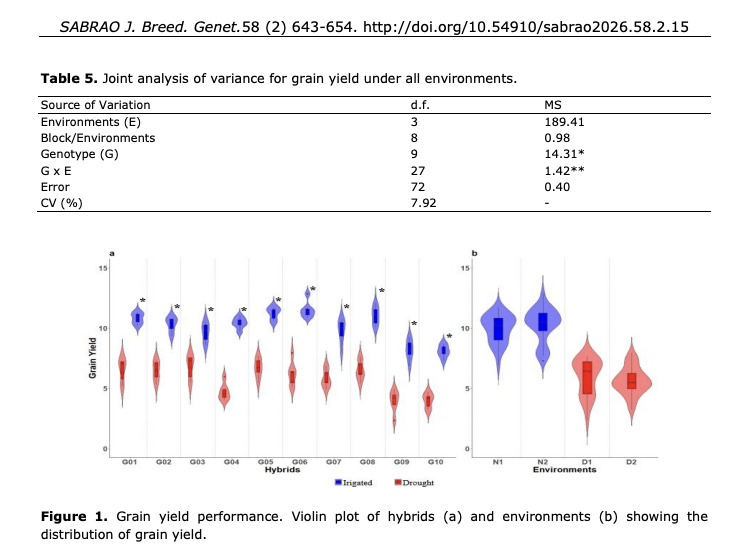
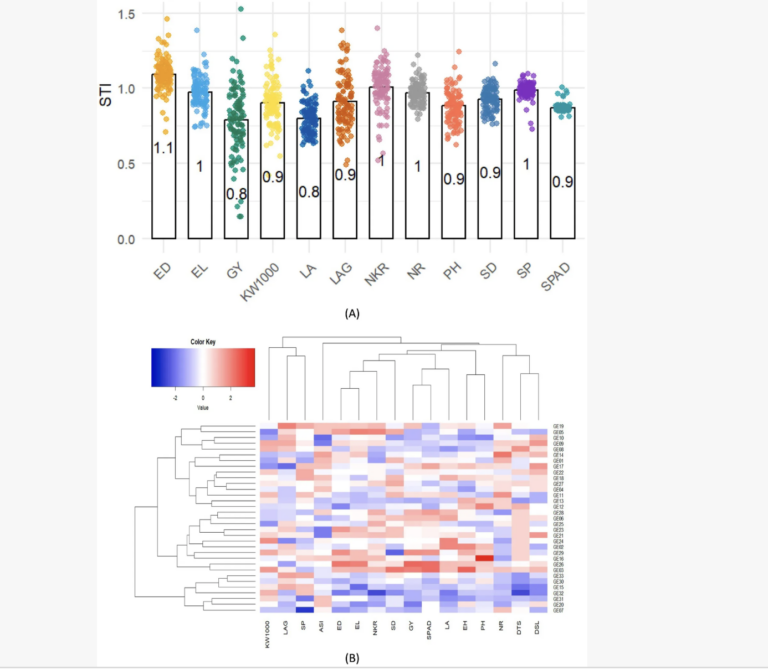
The interaction strengthened scientific communication between maize researchers from UNHAS and SAAS and provided opportunities to exchange perspectives on maize research, particularly in areas related to breeding, genetics, germplasm improvement, varietal development, and technological innovation.
Direct researcher-to-researcher engagement is an important element of sustainable international collaboration. It allows researchers to identify complementary expertise, exchange scientific approaches and experiences, explore potential areas for joint research, and establish networks that can support future scientific activities.
The collaboration with Zhaohua Ding therefore represents an important part of the growing scientific relationship between UNHAS and SAAS, complementing the formal institutional partnership with active interaction among researchers.
International Scientific Exchange in Jinan, Shandong
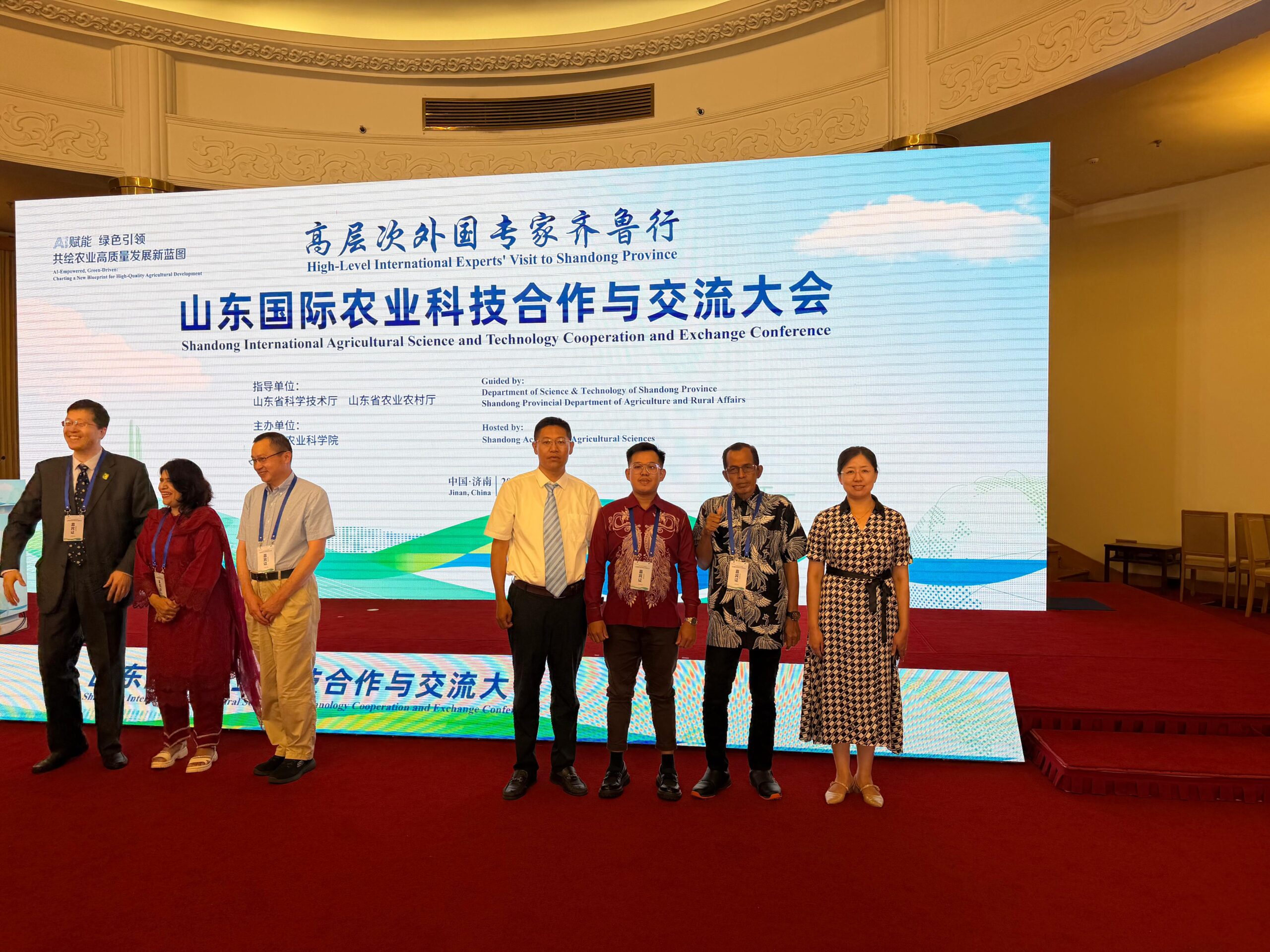
The international engagement was further strengthened through participation in the Shandong International Agricultural Science and Technology Cooperation and Exchange Conference, which opened on June 27, 2026, in Jinan, Shandong Province, China.
The conference was held under the theme “AI Empowerment, Green Leadership, Jointly Drawing a New Blueprint for High-Quality Agricultural Development.” The event brought together more than 200 experts and delegates representing 12 countries, along with representatives of the Centre for Agriculture and Bioscience International (CABI).
The conference served as an international platform for exchanging ideas and experiences related to agricultural science and technology, including emerging opportunities in artificial intelligence, green agricultural development, technological innovation, and international scientific cooperation.
For UNHAS and TRG researchers, participation in this international forum provided valuable exposure to current developments in agricultural science while creating opportunities to strengthen scientific networks with researchers and institutions from China and other participating countries.
Connecting International Networks with Maize Innovation
Scientific interaction in Shandong provides an important bridge between international networking and the development of collaborative maize research.
For UNHAS and SAAS, such engagement creates opportunities to connect complementary expertise and research capacities. Knowledge exchange in maize breeding, genetics, varietal improvement, and cultivation technology can support the development of research approaches relevant to the diverse agroecological conditions of Indonesia.
The activity also demonstrates that international collaboration is not limited to formal agreements. Its long-term value depends on sustained communication among researchers, scientific exchange, joint research development, and opportunities to translate knowledge into future research and innovation.
Developing Young Researchers through International Exposure
Another important dimension of this activity is the involvement of young researchers and doctoral students from the Tropical Research Group (TRG).
The participating young researchers include Ervendi, S.P., M.Si., a TRG-track doctoral student in Agricultural Sciences at Hasanuddin University, and Reynaldi Laurenze, S.P., M.Si., a doctoral student currently pursuing his Ph.D. studies in Taiwan and also a member of TRG.
Their involvement in international scientific activities provides opportunities to interact with researchers from different scientific and institutional backgrounds, expand international academic networks, and gain broader perspectives on maize research and agricultural innovation.
Such exposure also strengthens competencies in collaborative research, scientific communication, international networking, and knowledge exchange, contributing to the development of the next generation of agricultural researchers.
By connecting senior researchers, international partners, and doctoral students within the same scientific network, TRG promotes an environment in which international collaboration contributes simultaneously to research development and human resource capacity building.
Building a Sustainable Indonesia–China Scientific Network
The scientific engagement between UNHAS and SAAS demonstrates the importance of combining institutional partnerships with active researcher-to-researcher collaboration.
Interaction with Zhaohua Ding and researchers from the Maize Research Institute of SAAS, together with participation in international scientific forums in Shandong, strengthens the foundation for continued cooperation in maize science and agricultural innovation.
These activities create opportunities for the development of future collaborative research, scientific publications, academic and researcher exchanges, capacity building, and other scientific initiatives connecting researchers from Indonesia and China.
Contribution to the Sustainable Development Goals
This international scientific exchange contributes particularly to SDG 4: Quality Education by providing opportunities for postgraduate education, international knowledge exchange, researcher capacity building, and the development of young scientists.
The activity also strongly supports SDG 17: Partnerships for the Goals by strengthening scientific networks between researchers and institutions in Indonesia and China and expanding opportunities for international cooperation in agricultural science and technology.
Through scientific interaction with Zhaohua Ding and other SAAS researchers, participation in international scientific exchange, and the involvement of young researchers, Hasanuddin University and the Tropical Research Group are strengthening a long-term scientific bridge between Indonesia and China in maize research and agricultural innovation.
This network provides an important foundation for future collaborative research, knowledge exchange, and the development of sustainable agricultural innovations relevant to both scientific advancement and agricultural development.