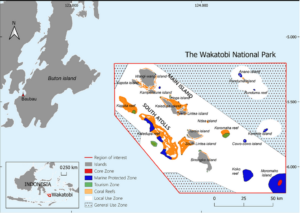
Baby corals don’t read maps: Why Indonesia’s marine park might be protecting the wrong reefs
Marine parks are usually drawn on paper first — a line around the prettiest or most obviously important-looking reef, based

Marine parks are usually drawn on paper first — a line around the prettiest or most obviously important-looking reef, based
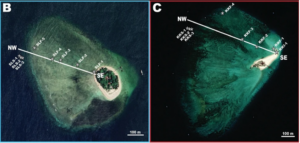
Makassar, Indonesia, 17 September 2026/Cores/ –Long before anyone counted coral cover with a clipboard and a dive slate, Indonesia’s reefs
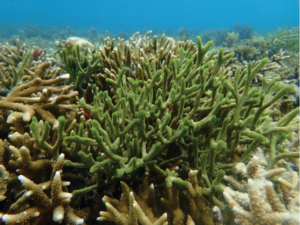
Makassar, Indonesia, 17 September 2026/Cores/ – Indonesia plants more coral than any other country on Earth. Broken fragments get tied to
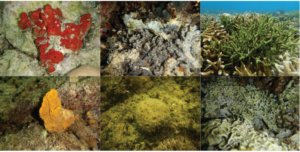
Makassar, Indonesia, 17 September 2026/Cores/ – When a coral reef turns cloudy and its corals die back, most people assume the
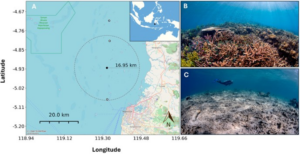
Makassar, Indonesia, 17 September 2026/Cores/ – Some crimes leave no witness. Bomb fishing happens fast, often far from shore, and the
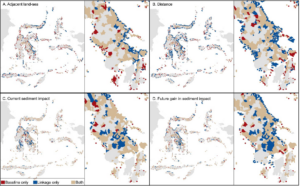
Makassar, Indonesia, 17 September 2026/Cores/ – To protect a coral reef, most people would think to work at sea such as