MAKASSAR, Indonesia July 10 2026/Coffee-RG/ – Every cup of coffee tells a story. Behind its rich aroma and unique flavor lies a long journey that begins on the farm. Unfortunately, not every coffee bean reaches consumers in perfect condition. Defective beans caused by poor harvesting, improper storage, insect attacks, or fungal contamination can reduce coffee quality and significantly lower its market value. For millions of coffee farmers, this means lower income despite months of hard work.
An exciting scientific breakthrough offers new hope. A research article entitled “MMSE-GC-MS Volatile Organic Compound Profiling of Twelve Defect Categories in Robusta Coffee Beans: Chemical Markers and Multivariate Discrimination of Quality Defects” was published in the journal Food Chemistry, published by Elsevier, on 27 June 2026. The study presents a modern approach to identifying quality defects in Robusta coffee beans by analyzing their volatile organic compounds (VOCs), the natural chemicals responsible for coffee aroma and flavor.
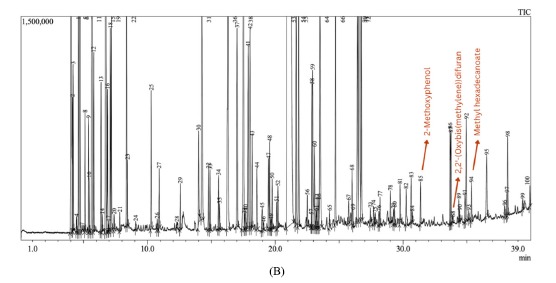
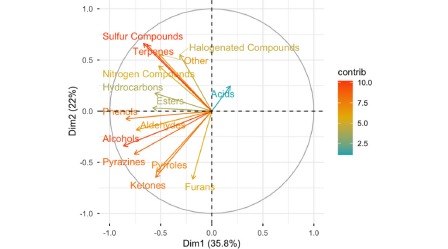
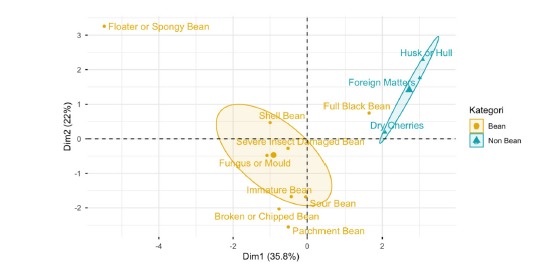
Instead of relying solely on visual inspection, which is often subjective and inconsistent, the researchers used advanced analytical technology called Monolithic Material Sorptive Extraction coupled with Gas Chromatography–Mass Spectrometry (MMSE-GC-MS). This method successfully identified 42 volatile compounds across twelve different categories of coffee defects, including black beans, sour beans, moldy beans, insect-damaged beans, immature beans, and foreign materials. Combined with multivariate statistical analysis, the technique clearly distinguished different defect types based on their chemical fingerprints.
Why does this matter beyond the laboratory?
Better defect detection allows coffee producers to improve sorting, maintain consistent product quality, and strengthen consumer confidence. More importantly, it helps farmers understand which harvesting and post-harvest practices create defects, enabling them to reduce losses before coffee reaches the market. High-quality beans can command higher prices, increasing farmers’ income and supporting more sustainable coffee production.
This innovation directly contributes to Sustainable Development Goal (SDG) 1: No Poverty. Coffee is one of the world’s most valuable agricultural commodities, and millions of smallholder farmers depend on it for their livelihoods. Technologies that improve quality control can increase the economic value of coffee, reduce waste, and create fairer market opportunities for producers. Scientific innovation, therefore, becomes not only a tool for research but also a pathway toward poverty reduction.
The study also demonstrates how chemistry can solve practical agricultural challenges. By revealing invisible chemical markers inside coffee beans, researchers provide the coffee industry with objective tools to ensure better quality, support premium products, and protect the reputation of coffee-producing regions.
The next time we enjoy a cup of Robusta coffee, we should remember that its quality is influenced not only by roasting or brewing techniques but also by science working behind the scenes. Research like this reminds us that every improvement in food quality has the potential to improve lives, especially for the farmers who make every cup possible.
Reference
DOI: https://doi.org/10.1016/j.foodchem.2026.150212
Contact:
Dr. Februadi Bastian
+62858-2501-3239
februadi@unhas.ac.id