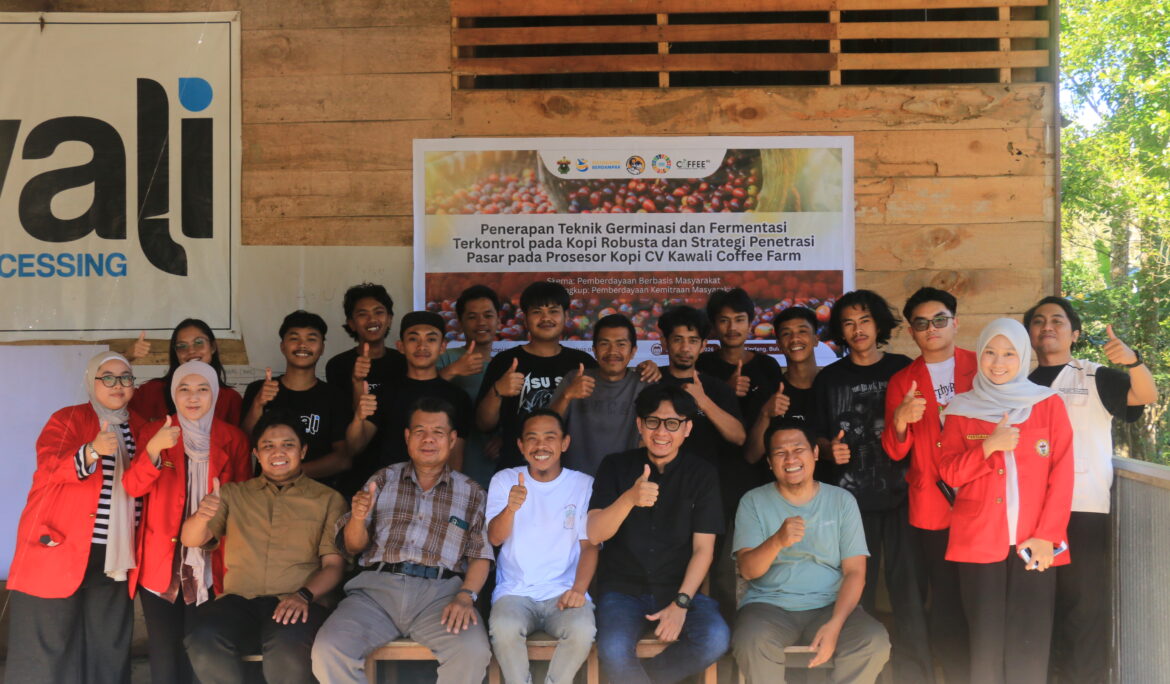
Innovation in coffee processing has become increasingly important to enhance product quality, strengthen market competitiveness, and improve the economic well-being of coffee-producing communities. Recognizing this opportunity, a community service program entitled “Application of Germination and Controlled Fermentation Techniques in Robusta Coffee and Market Penetration Strategies at CV Kawali Coffee Farm” was conducted in Kindang, Bulukumba. The program aimed to support local coffee processors in improving production capacity, developing innovative coffee products, and expanding market reach through science-based approaches and collaborative partnerships.
Date of Activity: 20–21 June 2026Location: Kindang, Bulukumba
The activity involved 7 students, namely Irham Rasyid, Andi Arnan, Febrio, Shabrina Rafidah Harun, Insani Latifah, Harum Bunga Cinta, and Nurhanifauziah Wijaya. The program was supervised by 3 lecturers: Dr. Februadi Bastian, S.TP., M.Si., Dr.rer.nat. Ir. Zainal, MFoodTech, and Rahmat Nurul Prima Nugraha, S.E., M.Sc. In addition, the activity engaged 10 partner participants from CV Kawali Coffee Farm, creating a collaborative environment for knowledge sharing and practical implementation.
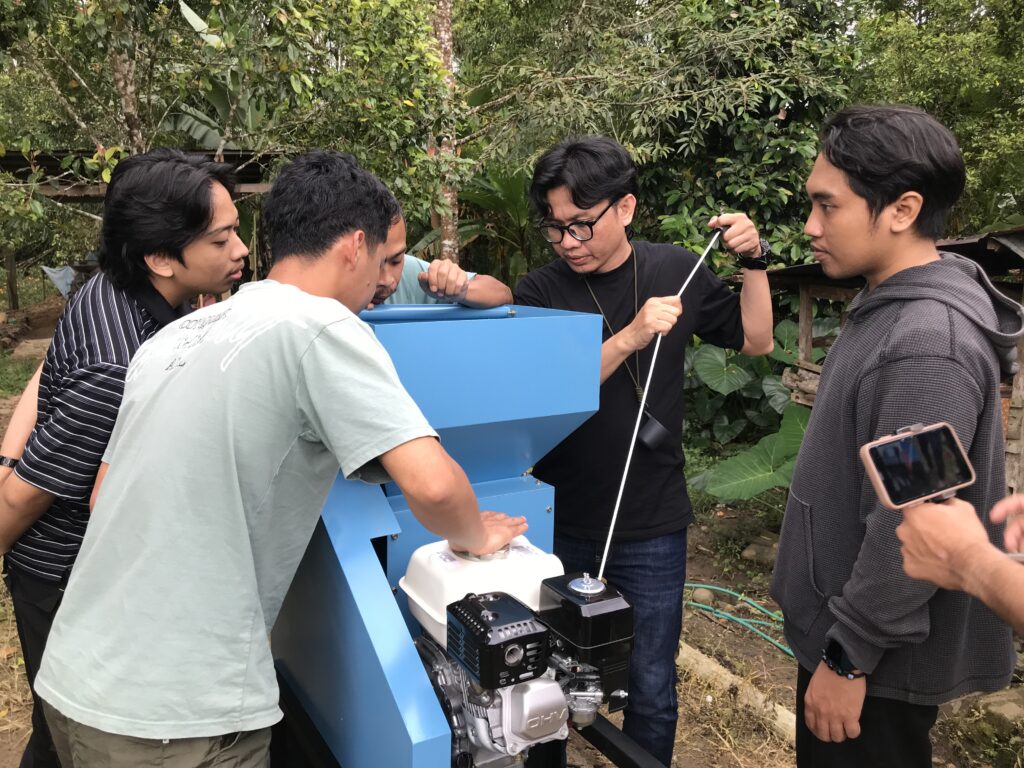
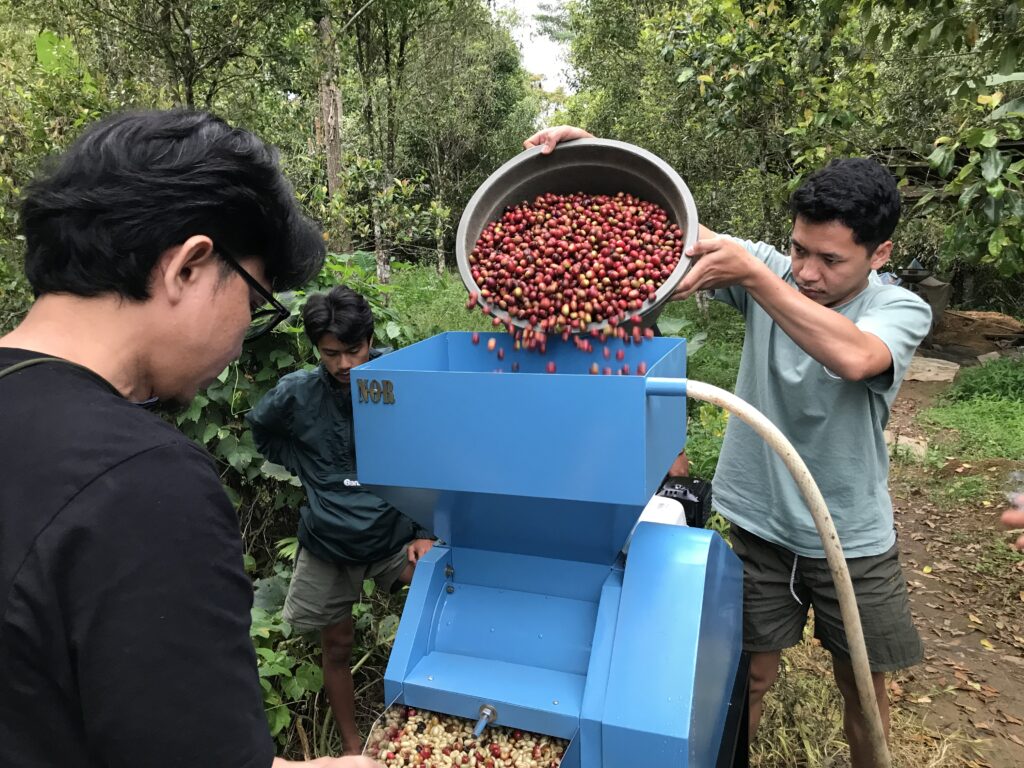
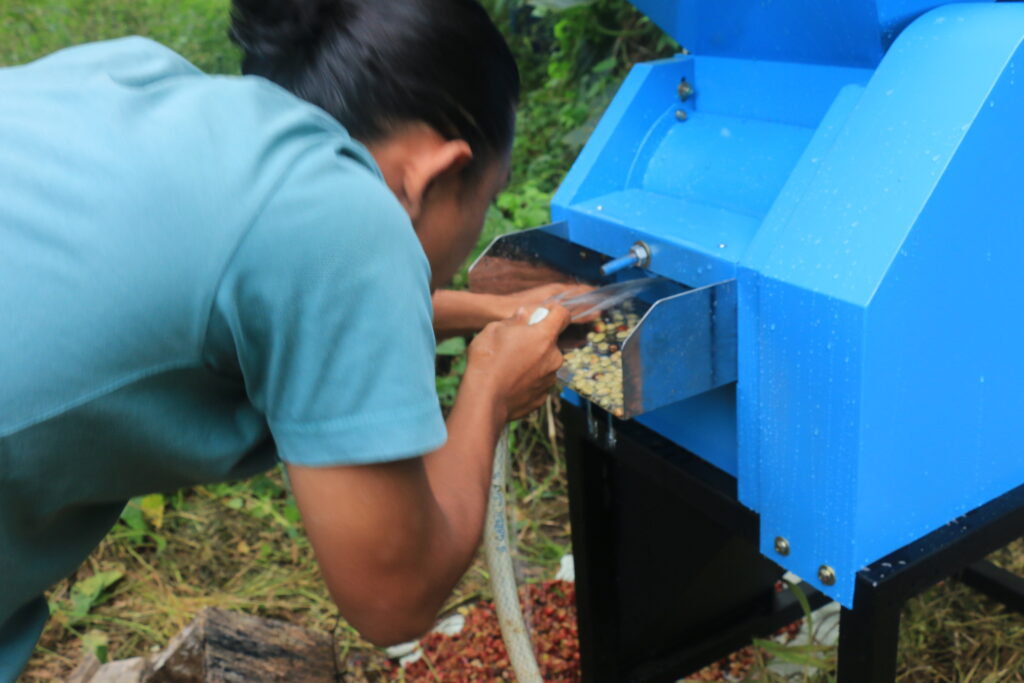
One of the primary objectives of this community engagement initiative was to increase the production scale of CV Kawali Coffee Farm through the provision of a coffee pulper machine. The introduction of this equipment is expected to improve post-harvest processing efficiency, reduce labor intensity, and support the processing of larger volumes of coffee cherries. Improved processing capacity is essential for meeting increasing market demand while maintaining product quality.
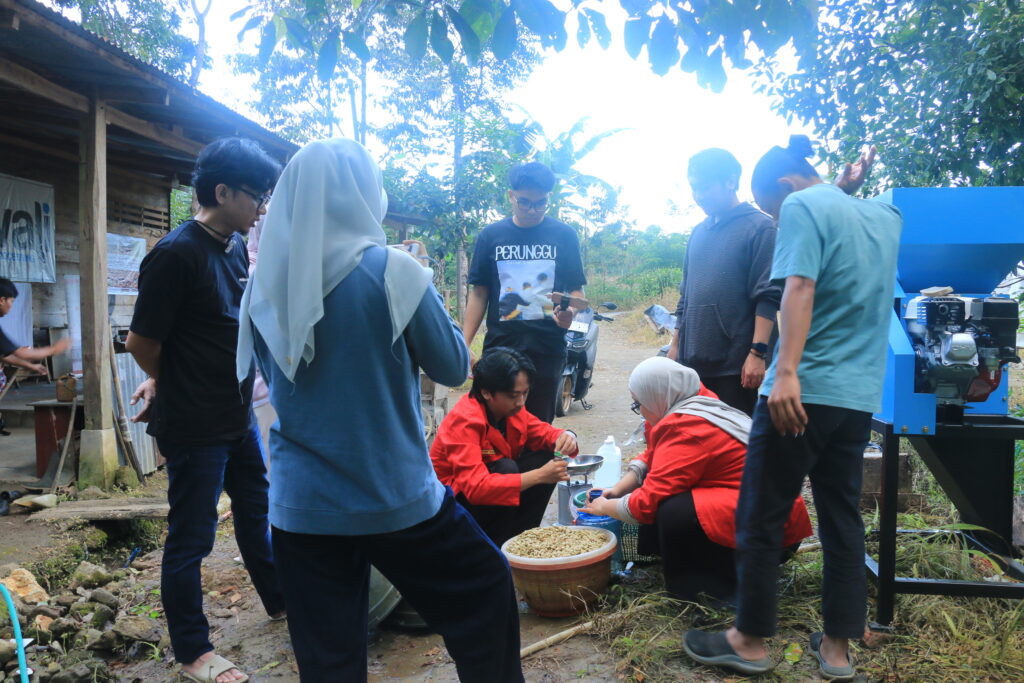
In addition to equipment support, the program focused on developing signature coffee products through the application of controlled fermentation using Lactic Acid Bacteria (LAB) and coffee germination techniques. Controlled fermentation allows beneficial microorganisms to influence biochemical transformations within coffee beans, contributing to unique sensory characteristics such as enhanced aroma complexity, balanced acidity, and improved flavor profiles. Meanwhile, germination techniques offer opportunities to modify biochemical compounds naturally, creating distinctive coffee products with added market value.
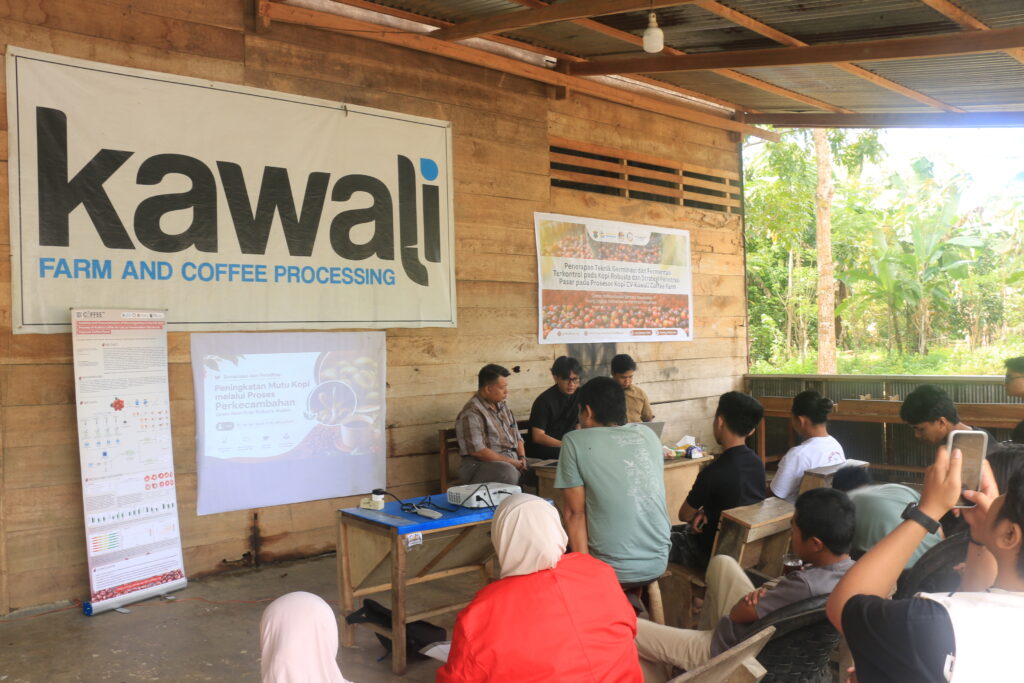
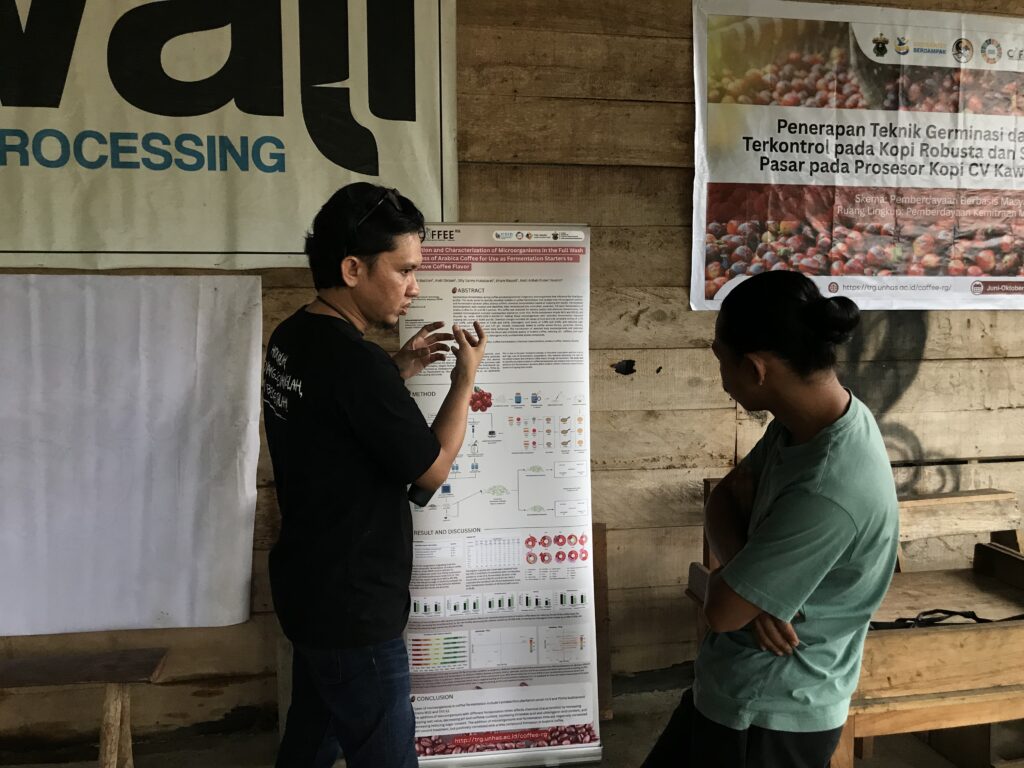
The activity also included discussions and mentoring sessions on marketing and business development strategies. Participants explored various approaches to strengthen product branding, improve customer engagement, and expand market penetration. By integrating product innovation with effective marketing strategies, CV Kawali Coffee Farm is expected to enhance its competitiveness in both local and broader specialty coffee markets.
This initiative directly contributes to several Sustainable Development Goals (SDGs). First, it supports SDG 1: No Poverty by empowering local coffee processors and creating opportunities for increased income through value-added products. Second, it advances SDG 4: Quality Education through the transfer of scientific knowledge, technical skills, and practical experience among students, lecturers, and community partners. Third, it reflects SDG 17: Partnerships for the Goals by fostering collaboration between academia and industry to achieve sustainable development outcomes.
Overall, this community service activity demonstrates how technological innovation, education, and strategic partnerships can work together to strengthen the coffee sector. Through the adoption of advanced processing techniques and market-oriented strategies, CV Kawali Coffee Farm is better positioned to increase productivity, develop distinctive coffee products, and contribute to sustainable economic growth within the local community.