MAKASSAR, Indonesia July 10 2026/Coffee-RG/ – Coffee is one of the world’s favorite beverages, but not everyone can enjoy its caffeine. Many people avoid regular coffee because caffeine may cause insomnia, anxiety, or heart palpitations. Decaffeinated coffee offers an alternative, yet it often comes with one major drawback: it loses much of the rich aroma and flavor that coffee lovers appreciate. What if science could restore that lost taste using a simple local crop?
A recently published study offers an exciting answer. The article, “Re-fermentation of Decaffeinated Robusta Bean Using the Mucilage Analog of Purple Sweet Potato (Ipomea batatas L.) to Enhance Coffee Flavour,” was published in the IOP Conference Series: Earth and Environmental Science, published by IOP Publishing, on 23 June 2026. The researchers explored an innovative way to improve the sensory quality of decaffeinated Robusta coffee through a controlled re-fermentation process using a mucilage analog made from purple sweet potato
Normally, decaffeination removes not only caffeine but also many compounds responsible for coffee’s aroma and flavor. As a result, decaffeinated coffee is often described as flat or less enjoyable. To solve this problem, the researchers developed a natural fermentation medium from purple sweet potato, a local agricultural product rich in natural sugars and anthocyanins. These nutrients provide an ideal environment for beneficial microorganisms to produce flavor-enhancing compounds during fermentation.
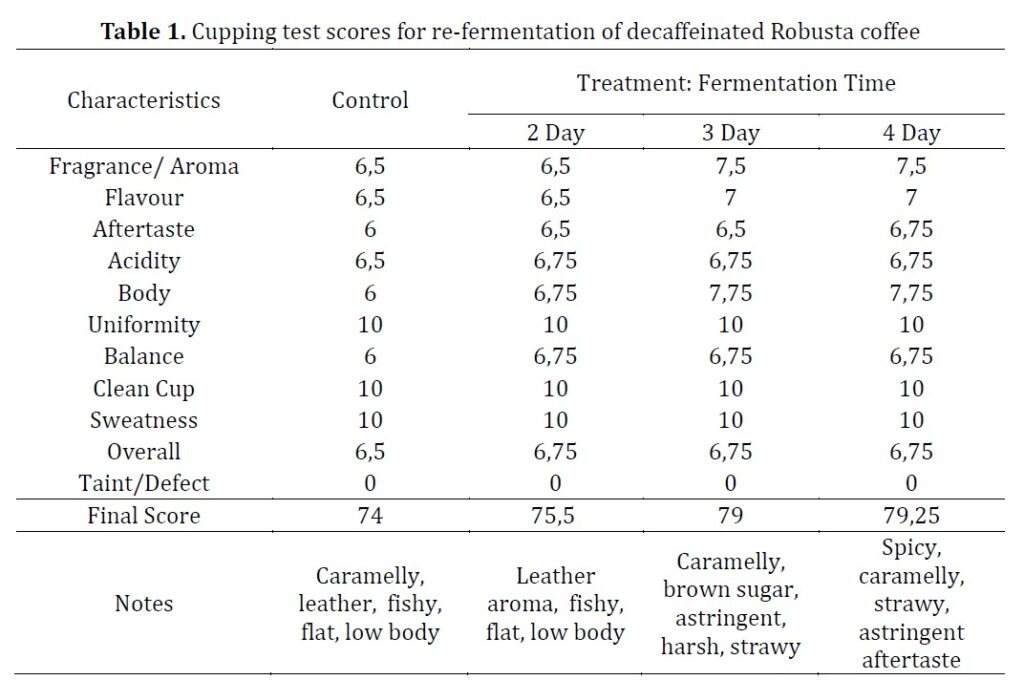
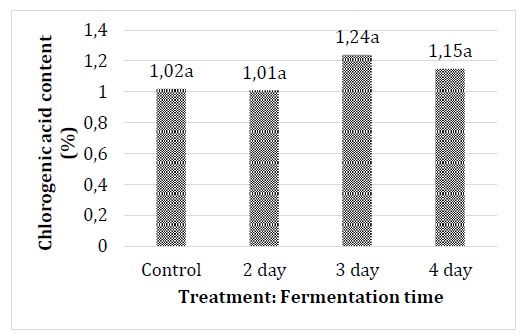
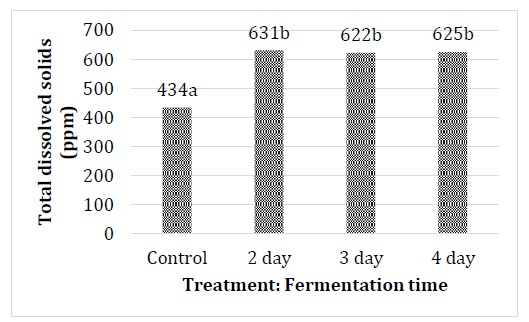
The results were impressive. Coffee that underwent four days of re-fermentation achieved the highest sensory score, increasing from 74 points to 79.24 points. The coffee developed more pleasant notes such as caramel, spice, and brown sugar while also showing improvements in body, aroma, and overall balance. Chemical analyses also revealed increases in total dissolved solids and a more balanced pH, both of which contribute to a richer drinking experience. Interestingly, the process maintained chlorogenic acid levels while significantly improving the overall quality of the beverage.
Beyond creating better coffee, this innovation carries broader social value. The research demonstrates how locally available crops such as purple sweet potato can be transformed into high-value processing materials rather than being used only as conventional food products. This creates new opportunities for farmers, coffee processors, and small businesses to collaborate in developing value-added products with greater market appeal.
This innovation directly supports Sustainable Development Goal (SDG) 1: No Poverty. By improving the quality and market value of decaffeinated coffee through affordable, locally sourced materials, farmers and small-scale coffee producers can potentially earn higher incomes without relying on expensive imported technologies. At the same time, utilizing purple sweet potato strengthens local agricultural value chains and promotes more inclusive rural economic development.
The study also highlights an important lesson: meaningful innovation does not always require expensive equipment or complex industrial processes. Sometimes, combining scientific knowledge with local natural resources can produce practical solutions that benefit both consumers and producers.
As global demand for healthier coffee continues to grow, innovations like this demonstrate that sustainable agriculture and food science can work hand in hand. A humble purple sweet potato, paired with thoughtful scientific research, may become the key to producing decaffeinated coffee that is not only healthier but also every bit as enjoyable as a traditional cup.
Reference
DOI: doi:10.1088/1755-1315/1639/1/012011
Contact:
Dr. Februadi Bastian
+62858-2501-3239
februadi@unhas.ac.id