


Bau-bau, Indonesia,25 Oct 2024/ Coastal Domestic Water Research Group / In many Indonesian communities, wells are more than water sources. They are part of daily life: used for drinking, cooking, washing, and supporting household needs. Yet, a published study from Lamangga Village, Baubau City, Southeast Sulawesi, reminds us that what flows from our homes can quietly return to us through the water we consume.
The study examined detergent contamination in community well water, focusing on two common detergent-related substances: phosphate and surfactants. Phosphate is often linked to nutrient pollution in water, while surfactants are cleaning agents that help remove dirt and grease. These substances are useful in household products, but when laundry wastewater is discharged directly into drains or soil without treatment, they may seep into groundwater and reach wells.
Researchers collected samples from 14 wells used as drinking water sources and interviewed 70 respondents. The study found that the average phosphate concentration was 0.020 mg/L, while the average surfactant concentration was reported at 0.39 mg/L. In several sampling points, surfactant concentrations exceeded the quality standard of 0.05 mg/L under the Regulation of the Minister of Health of the Republic of Indonesia Number 32/2017. For example, samples from locations 10 and 12 showed surfactant levels of 0.062 mg/L and 0.055 mg/L.
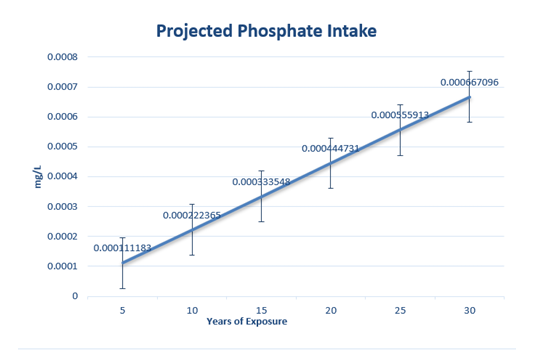
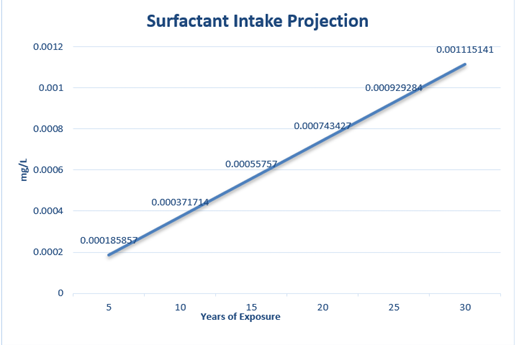
However, the health risk calculation brought a more reassuring message. Using Environmental Health Risk Analysis, the researchers calculated the Risk Quotient and Target Hazard Quotient. Both values remained below or equal to 1 for all respondents. In simple terms, this means that current exposure levels were still categorized as safe and did not indicate immediate non-carcinogenic health risk. Even projections for 5 to 30 years showed that phosphate and surfactant risks remained below the safety threshold, although they gradually increased with longer exposure duration.
This issue is strongly connected to Sustainable Development Goal 3: Good Health and Well-being. Safe water is a foundation of public health. When household waste is poorly managed, health protection cannot depend only on hospitals or medicine. It must begin at home, through better sanitation, safer wastewater disposal, and wiser use of chemical products.
The findings also carry an important environmental message. Phosphate can contribute to eutrophication, a process that encourages excessive algae growth and reduces oxygen in water. Surfactants may irritate the skin and eyes and can disturb aquatic ecosystems when released continuously. Therefore, even when current health risks are still low, prevention remains essential.
Communities can help by using detergent responsibly, choosing more environmentally friendly products, and avoiding direct disposal of laundry wastewater near wells. Local governments and industries can support this through household wastewater treatment, public education, and regular water quality monitoring. The lesson is simple: clean clothes should not come at the cost of unsafe water. Protecting wells means protecting families, ecosystems, and the future of public health.
Refrence
DOI : 10.3934/environsci.2025013
Contact:
Dr.Agus Bintara Birawida
+62 85241800050
agusbirawida@unhas.ac.id


