

MAKASSAR, Indonesia April 7 2026/CSR/ – The coastline is more than just a meeting point between land and sea—it is a lifeline for communities. In North Galesong, Indonesia, this lifeline is under serious threat. Once a stable and productive coastal area, it is now facing rapid degradation. But what is causing this damage? The answer lies closer to us than we might think: human activity.
Coastal destruction in North Galesong is not the result of a single factor. Instead, it is driven by a combination of external and internal human activities. External activities include large-scale developments such as coastal infrastructure, land reclamation, and industrial expansion. These projects often alter natural coastal dynamics, disrupting sediment flows and weakening the shoreline’s natural defenses.
At the same time, internal activities—those carried out by local communities—also contribute to the problem. These include sand mining, overfishing, and the clearing of mangrove forests. Mangroves, which act as natural barriers against waves and erosion, are often removed to make space for settlements or ponds. Without them, the coastline becomes increasingly vulnerable to erosion and flooding.
What makes this issue more concerning is its long-term impact on both the environment and local livelihoods. As the coastline erodes, homes are lost, fisheries decline, and economic stability is threatened. Communities that depend on coastal resources find themselves facing uncertainty, with fewer options for sustainable income.
This issue is closely linked to SDG 14: Life Below Water, which emphasizes the importance of conserving and sustainably using oceans, seas, and marine resources. The situation in North Galesong clearly shows how human actions on land directly affect marine ecosystems. When coastal areas are damaged, marine biodiversity suffers, and the balance of the ecosystem is disrupted.
However, the story does not have to end in loss. Understanding the causes of coastal destruction is the first step toward finding solutions. Sustainable coastal management practices—such as restoring mangroves, regulating sand mining, and promoting environmentally friendly development—can help reverse the damage. Equally important is raising public awareness. When communities understand the consequences of their actions, they are more likely to adopt sustainable practices.
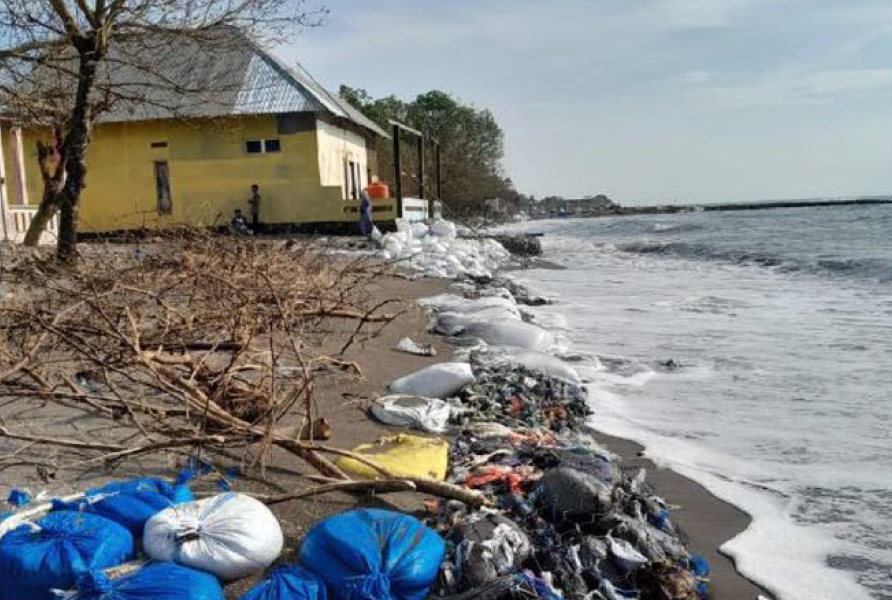
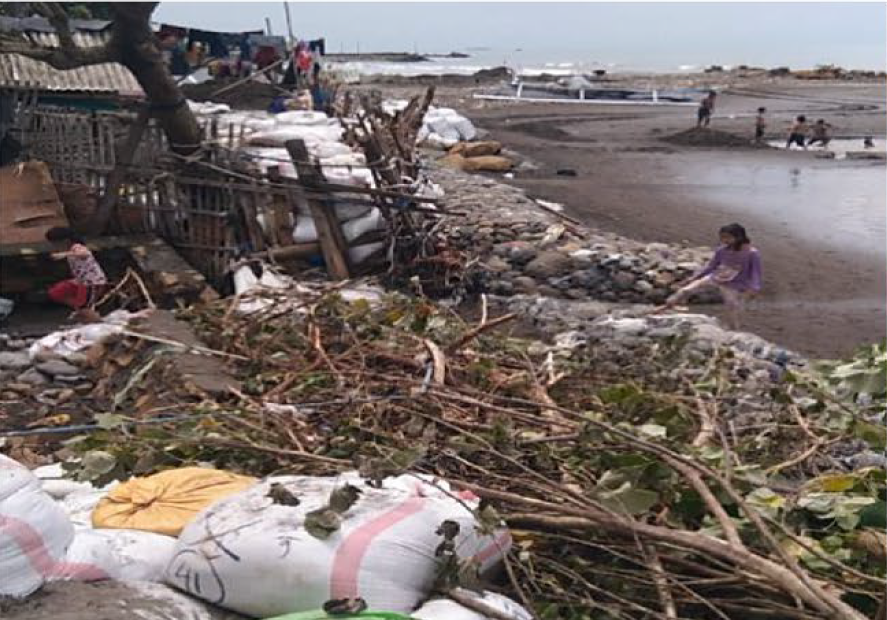
Insights into this issue are discussed in the article “Human External and Internal Activities in the Destruction of the North Galesong Coastal Area,” published in the Journal of Coastal Conservation by Springer Science and Business Media B.V. on January 20, 2024. The study highlights how both large-scale developments and everyday human activities contribute to environmental degradation, emphasizing the need for integrated and collaborative solutions.
In the end, protecting coastal areas like North Galesong is not just about preserving nature—it is about protecting people, culture, and future generations. The coastline may seem vast and resilient, but it is more fragile than it appears. And if we are not careful, what we take from it today may not be there tomorrow.
Reference
DOI : https://doi.org/10.1007/s11852-023-01026-x
Contact
Idawarni Asmal
081357922950
idawarniasmal@yahoo.com; idawarni@unhas.ac.id


