
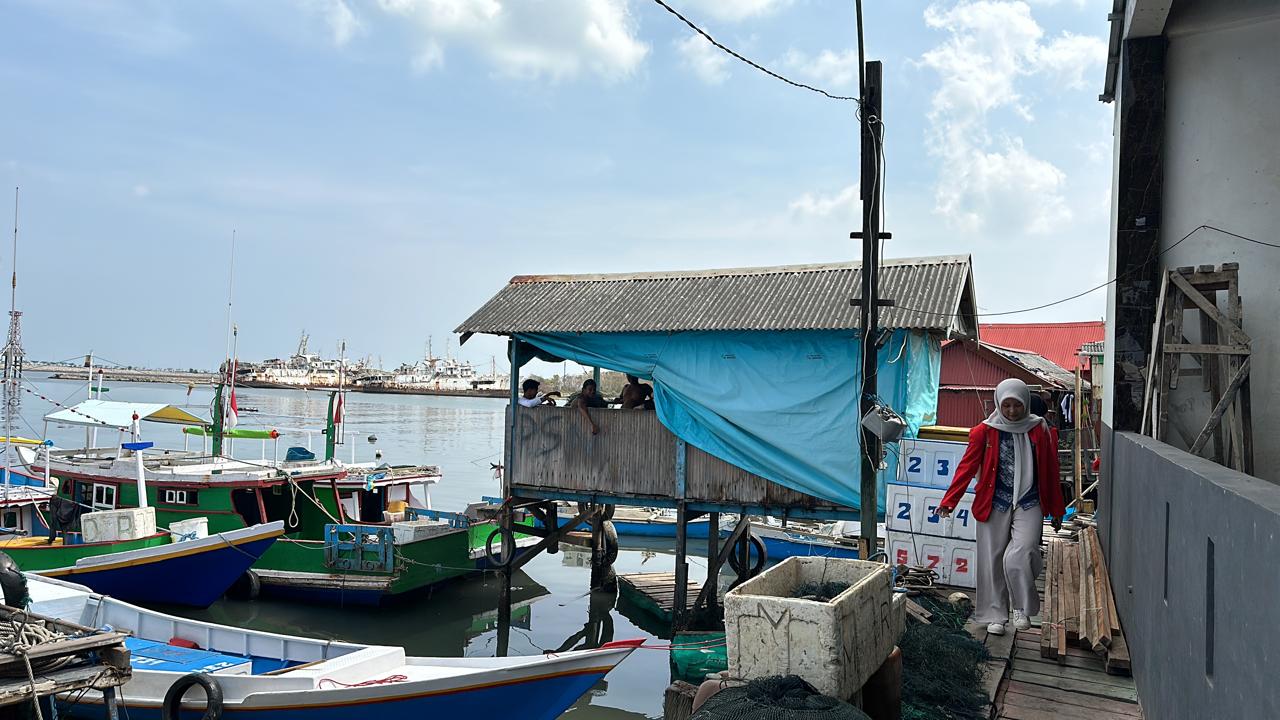

MAKASSAR, Indonesia April 7 2026/CSR/ – As cities expand toward the coastline, many coastal communities face a difficult reality: rising sea levels, environmental degradation, and increasing social vulnerability. Yet, in the midst of these pressures, a traditional architectural solution is gaining renewed attention—adaptive stilt housing. More than just a building style, it represents a powerful strategy for survival, resilience, and sustainable living.
Stilt houses, commonly found in coastal and riverine regions, are designed to elevate living spaces above ground or water level. This simple yet effective design helps communities cope with flooding, tidal changes, and even storm surges. But today, adaptation goes beyond tradition. Modern adaptive stilt housing integrates local knowledge with new materials and planning approaches, making it more durable, flexible, and responsive to rapid urbanization.
Recent research highlights how these housing models contribute not only to physical safety but also to socio-ecological resilience. In simple terms, this means communities are better able to adapt to environmental changes while maintaining their social structures and livelihoods. For example, by preserving natural water flows and minimizing land disruption, stilt housing helps protect coastal ecosystems such as mangroves and wetlands. These ecosystems, in turn, act as natural barriers against disasters.
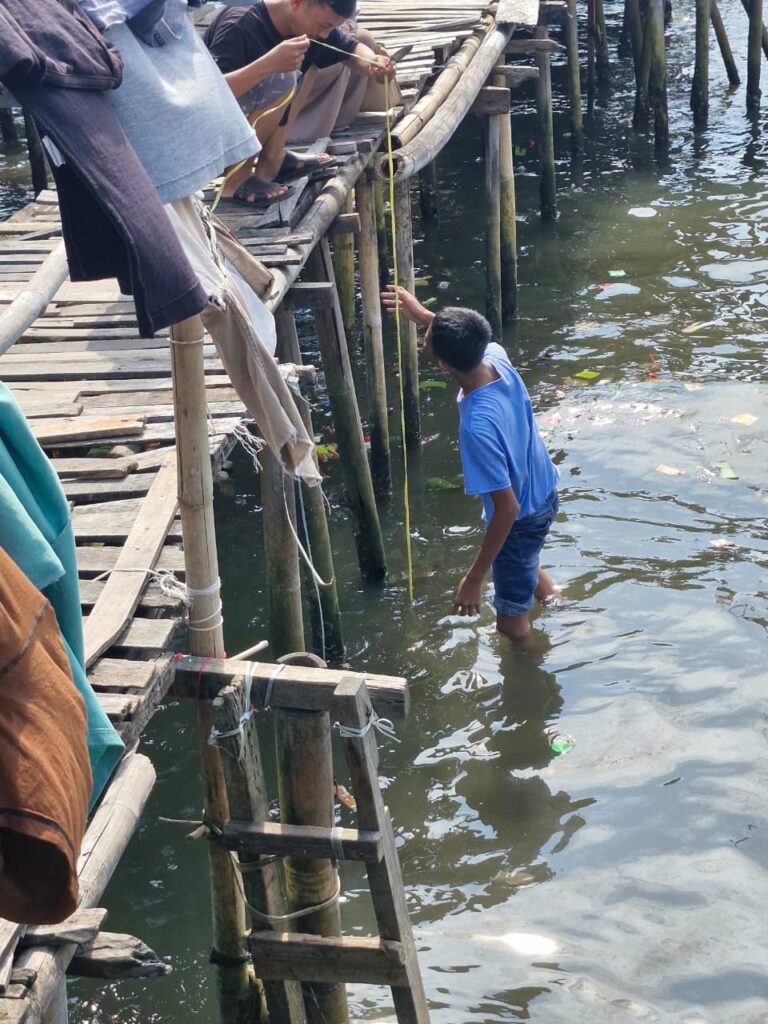
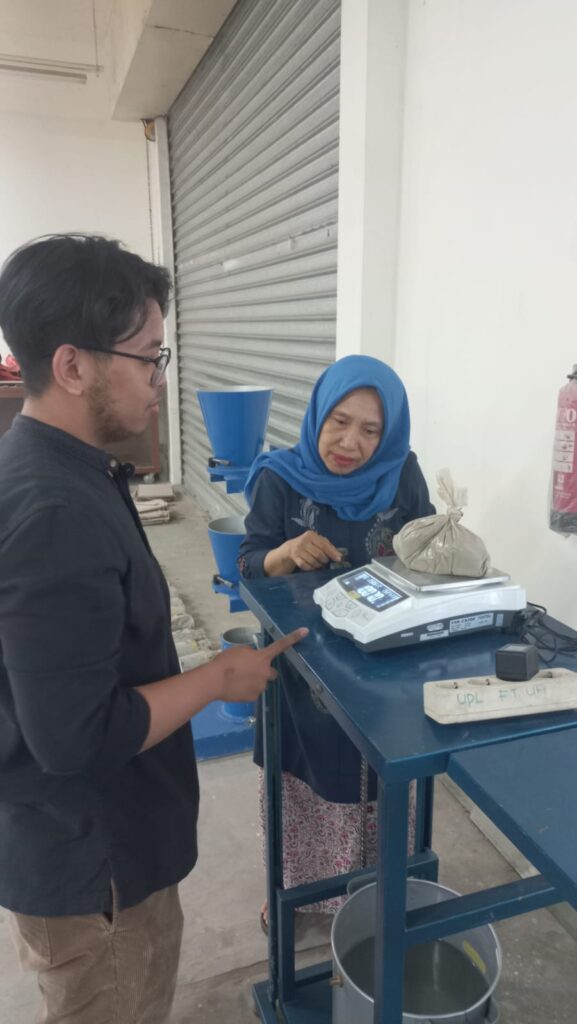
This approach aligns closely with SDG 14: Life Below Water, which emphasizes the protection of marine and coastal ecosystems. By reducing environmental damage and supporting sustainable settlement patterns, adaptive stilt housing contributes directly to healthier coastal environments. It also indirectly supports livelihoods such as fishing, which depend on balanced ecosystems.
Importantly, adaptive stilt housing is not just about environmental benefits—it also addresses social challenges. Many coastal residents belong to low-income groups who are disproportionately affected by climate risks. By offering affordable and locally adaptable housing solutions, this approach supports more inclusive urban development. It allows communities to remain in place rather than being displaced by urban expansion or environmental hazards.
The insights presented here are drawn from an academic article titled “Adaptive Stilt Housing and Socio-Ecological Resilience in Coastal Settlements Under Urbanization Pressure,” published in the Civil Engineering Journal by the Salehan Institute of Higher Education in October 2025. The study explores how architectural design can bridge the gap between environmental sustainability and community resilience, particularly in rapidly urbanizing coastal areas.
What makes this research especially relevant is its focus on practical, scalable solutions. Instead of relying solely on large-scale infrastructure, it highlights how small, community-based interventions—like housing design—can create meaningful impact. This perspective is crucial in developing countries, where resources are often limited but local knowledge is rich.
In a world where climate change and urbanization are accelerating, adaptive stilt housing offers a hopeful path forward. It reminds us that innovation does not always mean starting from scratch—sometimes, it means rethinking and improving what already exists. By combining tradition, science, and community participation, coastal settlements can not only survive but thrive in the face of change.
Reference
DOI : http://dx.doi.org/10.28991/CEJ-2025-011-10-011
Contact
Idawarni Asmal
081357922950
idawarniasmal@yahoo.com; idawarni@unhas.ac.id


