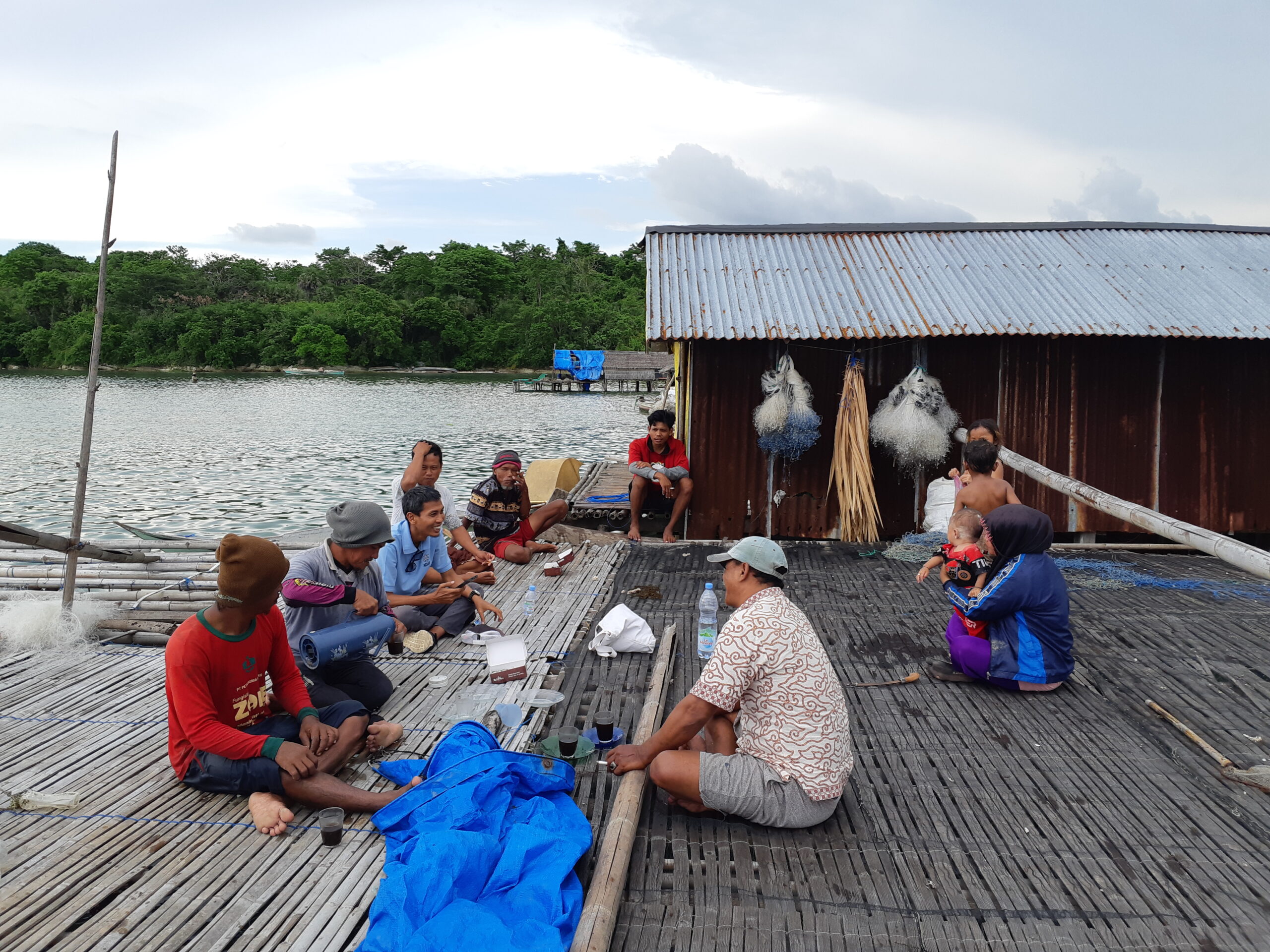

Research emphasizes on the scale of coastal settlements and the development of coastal tourism, include:
- Adaptation to Climate Change
- Assessing the impacts of rising sea levels, extreme weather events, and coastal erosion on urban and rural coastal settlements, including tourism hubs.
- Developing adaptation strategies at the settlement level, such as nature-based solutions, including mangrove restoration, coral reef conservation, and green infrastructure like seawalls, which also serve to protect tourism assets.
- Strengthening infrastructure in coastal settlements to withstand climate impacts, including flood-resistant buildings, resilient tourism facilities, and integrated early warning systems for natural disasters like tsunamis and storms.
- Environmental and Ecosystem Management in Coastal Settlements
- Studying the degradation of local ecosystems due to urbanization, resource extraction, and pollution, which directly affects tourism in coastal areas.
- Implementing local ecosystem restoration and rehabilitation programs, such as the protection of coral reefs and coastal wetlands, to enhance both environmental health and tourism potential.
- Ensuring sustainable spatial planning within settlements to mitigate disaster risks, reduce environmental degradation, and manage land-use conflicts, while promoting eco-tourism opportunities that support both resilience and conservation.
- Social and Economic Resilience at the Settlement Level
- Strengthening the economic resilience of coastal communities through the diversification of livelihoods, including sustainable tourism, fisheries, and aquaculture. Eco-tourism, in particular, can be promoted as a sustainable income source for local communities, benefiting both the environment and the local economy.
- Empowering local communities through participatory environmental management and disaster preparedness programs, ensuring that tourism development aligns with resilience-building goals.
- Addressing the social impacts of migration and relocation of populations within coastal settlements, providing opportunities for sustainable resettlement that incorporate tourism-driven economies.
- Technology and Innovation for Settlement Resilience
- Utilizing satellite technology, remote sensing, and data modeling at the settlement level to predict climate impacts, including on tourism resources (e.g., beaches, coral reefs), and support adaptive urban planning.
- Developing technology-driven solutions tailored to coastal settlements, such as IoT-based early warning systems, adaptive infrastructure design, and weather-resistant tourism facilities to reduce vulnerability.
- Integrating local knowledge with technological innovations to strengthen adaptation strategies and improve resilience at the settlement scale, particularly in the context of sustainable tourism development.
- Policy and Governance for Coastal Settlement Resilience
- Developing policies that focus on the resilience of coastal settlements, including coastal protection measures, land-use zoning, and climate change adaptation strategies, with specific attention to the impacts on tourism infrastructure and industries.
- Strengthening regulations at the settlement level for sustainable resource management, including tourism activities that do not degrade the environment and local ecosystems, such as responsible ecotourism practices.
- Promoting multi-stakeholder collaboration between local governments, communities, academia, the private sector, and tourism operators to ensure that tourism development supports coastal resilience and contributes to long-term sustainability.
- Sustainable Tourism Development in Coastal and Island Areas
- Exploring the potential for sustainable tourism development that enhances local resilience, while preserving the natural and cultural heritage of coastal and island communities.
- Promoting eco-tourism as a means of fostering environmental awareness and community engagement, ensuring that tourism revenues contribute to resilience-building projects and environmental conservation efforts.
- Developing tourism models that balance economic growth with environmental protection, integrating tourism infrastructure with disaster risk reduction measures, and supporting the regeneration of ecosystems that attract visitors (e.g., coral reefs, beaches, mangroves).