


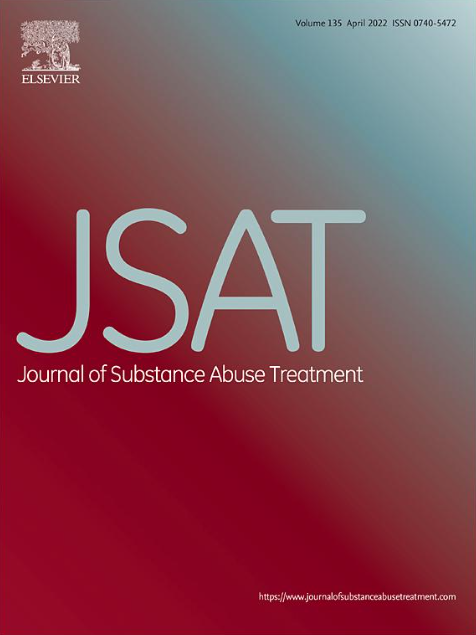
MAKASSAR, Indonesia, Oct 12, 2026 /BERG/–For families supporting someone affected by drug use, recovery can bring hope. But it can also come with difficult questions: Who will pay for rehabilitation? What happens when someone loses a job? And how can a household rebuild when everyday expenses keep rising?
These questions are at the heart of Household economic burden, rehabilitation affordability, and recovery reintegration among people affected by drug use in South Sulawesi, Indonesia, a study by Sudarianto Sudarianto, Sukri Palutturi, and Hasmin Hasmin. The research appeared in the Journal of Substance Use and Addiction Treatment, published by Elsevier Inc., and was first published online on 4 October 2026. Although it is assigned to the journal’s 2027 volume, the online publication date marks its first public release.
The researchers surveyed 59 people in Makassar and Sidenreng Rappang, South Sulawesi, between October 2025 and February 2026. Participants included people with experiences of drug use or recovery, family members, and affected community members. They described how drug-related circumstances had affected work, income, household spending, and the ability to pay for treatment.
The figures tell a troubling story. Average reported monthly income was approximately 2.66 million Indonesian rupiah before drug-related involvement, compared with 1.55 million rupiah at the time of the survey. That is a difference of about 1.11 million rupiah per month. Meanwhile, nearly 90% of respondents said household expenses had increased.
Paying for rehabilitation was another challenge. Families were the main source of funding for 59.3% of respondents, while 55.9% reported difficulty covering rehabilitation costs. Two-thirds also reported having experienced unemployment or job loss following drug-related involvement. Five respondents said family assets had been sold to meet related expenses.
Behind each statistic is a practical concern. A household may need to choose between transportation to treatment, food, school supplies, and other essentials. Even when rehabilitation services exist, families may struggle to afford the journey through recovery.
This makes the findings especially relevant to Sustainable Development Goal 1 (SDG 1): No Poverty. Poverty reduction is not only about earning more money. It also means protecting vulnerable households from financial shocks that can push them deeper into hardship.
The study suggests that recovery support should go beyond clinical care. Affordable rehabilitation, job training, employment opportunities, community support, and targeted financial assistance could help people rebuild their lives without leaving families to carry the full burden.
Importantly, this was a small survey based on people's recollections, not a representative study of all South Sulawesi households. It cannot prove that drug use caused the reported income decline. Still, it raises a powerful public question: If a person completes treatment but returns to unemployment and financial hardship, how sustainable can recovery be?
Helping people recover means caring for their health and giving their families a fair chance to recover financially, too.
Reference
DOI: https://doi.org/10.1016/j.josat.2026.210129
Contact:
Dr. Hasmin
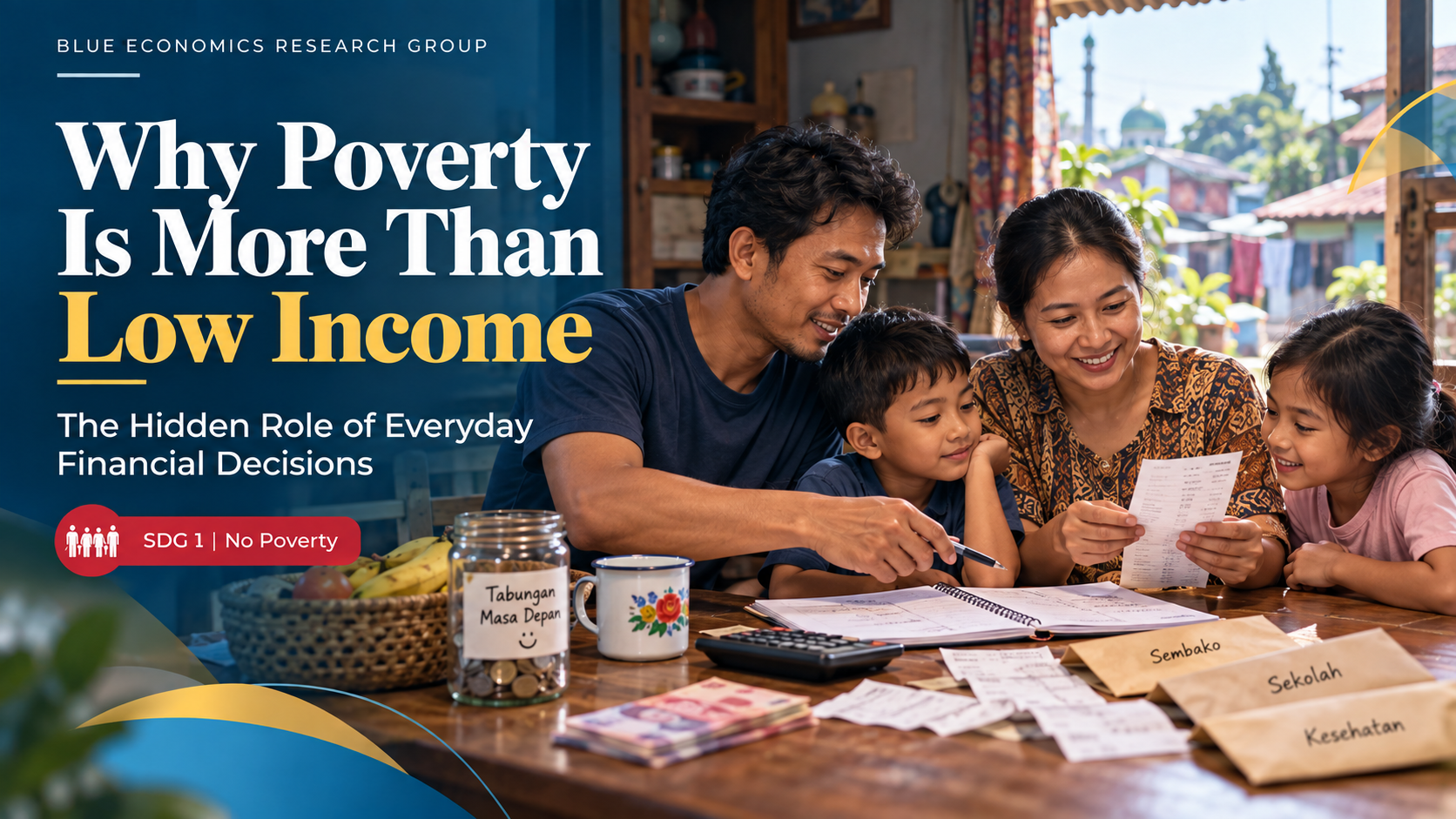
MAKASSAR, Indonesia, Sept 13 2026 /BERG/–Poverty is often explained through low wages, unemployment, limited access to education, weak infrastructure, or inadequate social protection. These factors are fundamental. Yet poverty also has a household-level dimension: how families plan, spend, save, and respond to financial pressure can influence how deeply economic hardship affects them.
This issue is examined in the scientific article “Model Testing and Contribution of Antecedent Variable to Absolute Poverty: Low Income Family Perspective in Indonesia”, published in Sustainability by MDPI, Basel, Switzerland, on 19 April 2023. The study involved 201 low-income households from Makassar, Jeneponto, Selayar Islands, Bone, North Luwu, and North Toraja in South Sulawesi.
The researchers focused on two ideas: short-term vision and uncontrolled consumption. Short-term vision refers to thinking mainly about immediate needs, with limited attention to saving or financial planning. Uncontrolled consumption includes unplanned purchases, spending based on desires or prestige, and spending that can exceed available income.
The study found that short-term thinking was strongly associated with uncontrolled consumption. In turn, uncontrolled consumption was positively associated with absolute poverty. The statistical model also showed that uncontrolled consumption partly explained how short-term thinking was related to deeper poverty.
This does not mean that poverty is simply the result of poor personal choices. Low-income families often make decisions under severe constraints. Limited income, unstable employment, weak access to clean water, education, healthcare, sanitation, and secure housing all remain central dimensions of poverty. In fact, the study itself measured poverty using several of these basic-needs indicators.
The findings connect directly with Sustainable Development Goal 1 (SDG 1: No Poverty). Ending poverty requires both structural support and stronger household resilience. Government assistance, jobs, education, social protection, and infrastructure remain essential, but financial literacy and household-level planning can complement these measures.
One practical lesson is that poverty programmes may become more effective when they include simple and respectful financial education. Families can be supported to distinguish needs from wants, plan spending, manage debt, and prepare for periods when income falls. The study also warns that such interventions should avoid paternalism and should recognise the strengths, realities, and priorities of low-income households.
The broader message is that poverty reduction works best when public policy and household capability are strengthened together. Structural opportunities create room to improve lives, while better planning can help families use limited resources more securely.
Reference
DOI: https://doi.org/10.3390/su15086894
Contact:
Dr. Hasmin
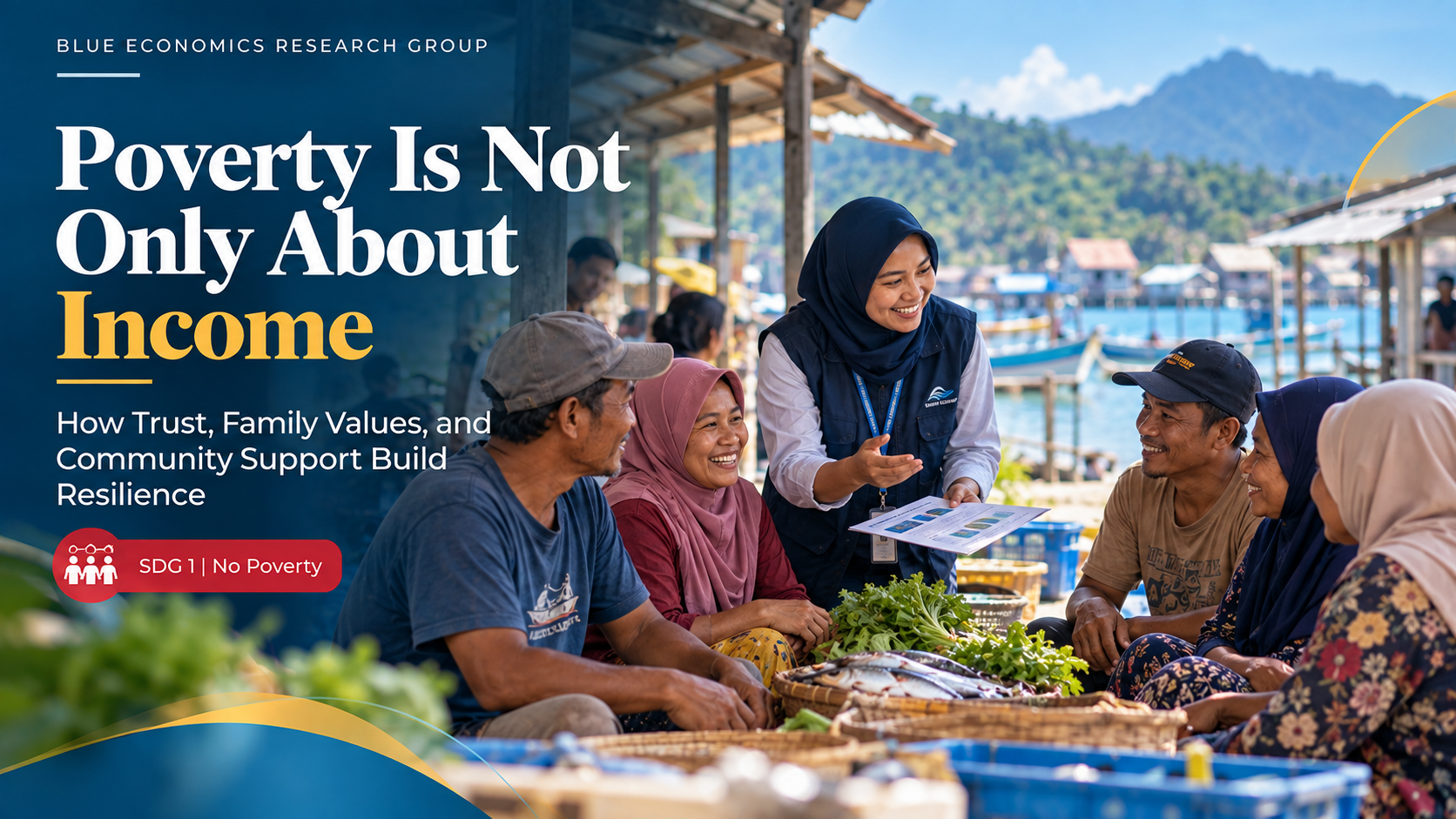
MAKASSAR, Indonesia, Sept 13 2026 /BERG/–When families struggle with poverty, the first solutions that often come to mind are cash assistance, jobs, subsidies, and better infrastructure. These are essential, but they may not be enough. Poor households also rely on relationships, trust, family rules, and local institutions to survive difficult times.
This idea is explored in the book chapter “Social Capital, Religious Family Governance, and Food Security: Lessons from South Sulawesi”, published in Community Empowerment Through Governance, Circular Economy, and Social Innovation by IGI Global Scientific Publishing in 2026. The chapter brings together survey and interview evidence collected in South Sulawesi between 2020 and 2025 to understand how agricultural extension, social relationships, and faith-based family practices influence food security and poverty.
One important message is that agricultural extension works best when it does more than deliver technical farming information. Good extension services also build farmers’ confidence, communication, problem-solving, and teamwork. These social and behavioural skills help farmers share knowledge, cooperate, and respond to market or production challenges.
The chapter also highlights the role of Religious-Based Family Management, or RBFM. This refers to the way religious values influence decisions about spending, debt, saving, responsibility, and consumption. Evidence from low-income households suggests that stronger RBFM is associated with less short-term thinking, lower uncontrolled consumption, and lower absolute poverty.
But families do not manage hardship alone. Silaturahim Quality represents another important resource. Strong relationships among relatives, neighbours, and faith-based communities can provide shared food, informal loans, caregiving, information, and emotional support. In this way, social ties can function as an informal safety net when household income falls or unexpected shocks occur.
These findings connect directly with Sustainable Development Goal 1 (SDG 1: No Poverty). Reducing poverty requires more than raising income. It also means strengthening households’ ability to manage resources, cope with shocks, access support, and make longer-term decisions.
This does not mean that family values or community networks can replace formal social protection. The chapter explicitly presents them as complementary to government policies and market mechanisms.
The wider lesson is powerful: durable poverty reduction may depend on combining technical assistance, social protection, trusted community networks, and household-level financial discipline. When these elements work together, vulnerable families gain not only resources, but also stronger capabilities to protect food security and build resilience.
Reference
DOI: https://doi.org/10.4018/979-8-3373-6122-2.ch002
Contact:
Dr. Hasmin