


Methodology:
- Research Design: A combination of in vitro and in vivo studies will be conducted.
- Sample Selection: Clinical isolates of biofilm-forming superbugs will be obtained from infected patients, and well-characterized laboratory strains will be used for experimental studies.
- Experimental Techniques:
- Antibiotic Susceptibility Testing: Minimum inhibitory concentration (MIC) tests to assess resistance profiles.
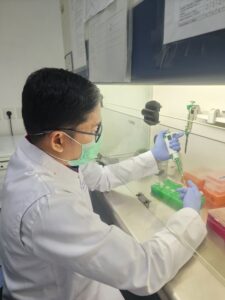
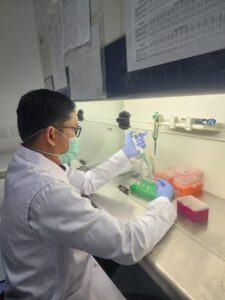
- In silico methodology: Modelling biofilm formation and behaviour, predicting antibiotic resistance mechanisms, and as virtual screening of potential antimicrobial compoundsMolecular Techniques: Polymerase chain reaction (PCR) and sequencing to identify resistance genes and biofilm-related factors.MALDI-TOF analysis: Use a MALDI-TOF MS system to obtain mass spectra of bacterial proteins, in relation with Determine the effectiveness of MALDI-TOF MS in identifying superbugs in clinical samples, Establish a protocol for integrating MALDI-TOF MS into routine diagnostic workflows in microbiology labs. And provide recommendations for the use of MALDI-TOF MS in clinical settings, focusing on its impact on treatment decisions and patient outcomes.Calorimetry analysis: Use of Calorimetry to measure metabolic activity of biofilms and evaluation of antibiotic effectivenessLuminex Assay: Identification of cytokines upregulated or downregulated in response to biofilm presence, comparison of immune responses between biofilm-infected and control samples, understanding how biofilms manipulate immune signalling pathways and its implications for chronic inflammation and immune suppression4. Data Analysis: Statistical analyses will be performed using appropriate software to evaluate differences in biofilm formation and antibiotic resistance.
Detailed Outline
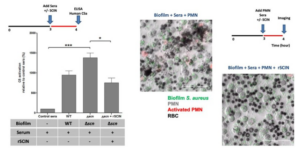
- Immune modulation by biofilm-associated bacteria
- Expected Results: The research is expected to yield insights into the mechanisms of biofilm formation, revealing specific genetic and environmental factors that contribute to the resilience of superbugs. It will also provide a comprehensive overview of antibiotic resistance profiles associated with biofilm infections. Furthermore, the study aims to identify novel therapeutic agents or strategies, such as biofilm disruptors, combination therapies, or the use of nanomaterials, that can effectively target biofilm-associated bacteria.
- Future Directions: Continued research is essential to explore the dynamic nature of biofilms and their interactions with host immune responses and therapies. Future studies could focus on in vivo models to validate findings and investigate long-term effects of proposed treatments.
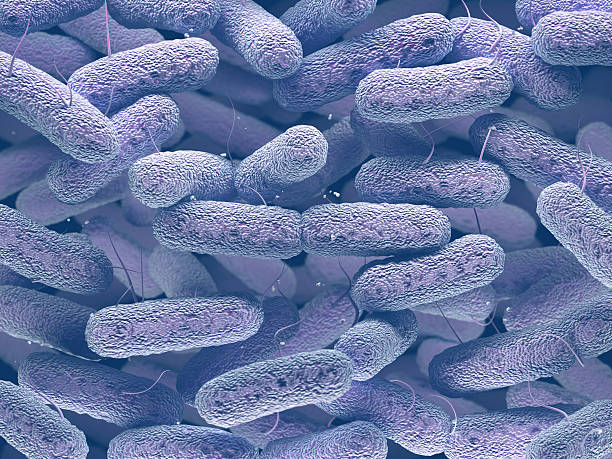
Overview: This research aims to explore the formation and characteristics of biofilms and their role in the emergence of antibiotic-resistant superbugs. Biofilms are communities of microorganisms that adhere to surfaces and are encased in a protective matrix, leading to persistent infections and treatment challenges. Superbugs, or multidrug-resistant bacteria, often exploit biofilm formation to evade conventional therapies. This study will investigate the mechanisms of biofilm formation, their impact on infection severity, and potential therapeutic strategies to combat these infections.
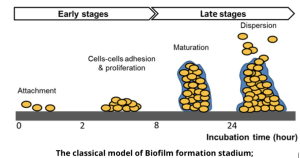
Biofilms are ubiquitous in nature and can form on various surfaces, including medical devices, tissues, and natural environments. In a clinical context, biofilm formation significantly complicates treatment, as bacteria in biofilms exhibit heightened resistance to antibiotics—up to 1,000 times greater than their planktonic counterparts. Superbugs, such as Methicillin-resistant Staphylococcus aureus (MRSA) and Pseudomonas aeruginosa, are often associated with biofilm infections, leading to increased morbidity and healthcare costs. This research aims to address the following questions:
- What are the key mechanisms underlying biofilm formation and maintenance?
- How do biofilms contribute to antibiotic resistance in superbugs?
- What novel treatment strategies can effectively disrupt biofilm formation and enhance antimicrobial efficacy?
Methicillin-resistant Staphylococcus aureus (MRSA), Escherichia coli (especially Extended Spectrum Beta-Lactamase (ESBL) producers), and Carbapenem-resistant Enterobacteriaceae (CRE), are associated with increased morbidity, mortality, and healthcare costs. Timely identification of these pathogens is critical for appropriate antibiotic therapy. MALDI-TOF MS has emerged as a powerful tool for microbial identification due to its speed, accuracy, and cost-effectiveness
Objective: The primary aim of this research is to enhance awareness and understanding of biofilm infections and the challenges posed by superbugs among healthcare professionals, patients, and the general public. This will be achieved through the following specific objectives:
- Increase Knowledge: Educate stakeholders about the nature of biofilms, their formation, and their role in persistent infections caused by superbugs. This includes understanding the mechanisms that allow biofilm-forming bacteria to resist treatment.
- Highlight Clinical Implications: Emphasize the impact of biofilm-associated infections on patient outcomes, healthcare costs, and the challenges in diagnosis and treatment. This includes discussing the importance of early detection and appropriate antimicrobial therapy.
- Promote Best Practices: Advocate for best practices in infection prevention and control within healthcare settings to minimize the risk of biofilm-related infections. This includes promoting proper sterilization techniques and responsible antibiotic use.
- Encourage Research and Innovation: Foster interest in ongoing research aimed at developing new diagnostic tools and treatment strategies for biofilm infections, including novel antibiotics and alternative therapies.
- Engage the Community: Mobilize community efforts to raise awareness about antibiotic resistance and the importance of responsible antibiotic use to prevent the emergence of superbugs.
- Provide Resources: Develop educational materials and resources for healthcare providers, patients, and the public to facilitate better understanding and management of biofilm infections and superbugs.