
Makassar, Indonesia. May 5, 2026 | BiMin – We live in a world surrounded by invisible signals. From smartphones to Wi-Fi routers, electromagnetic (EM) waves are constantly moving through the air. While these technologies make life easier, they also bring a growing concern: electromagnetic interference (EMI), which can affect both electronic systems and human health.
But what if we could “trap” these invisible waves before they cause harm?
A recent scientific study offers a compelling answer. The article titled “High Absorption Electromagnetic Wave Properties of Composite CoFeO3 Synthesized by Simple Mechanical Alloying”, published in the ECS Journal of Solid State Science and Technology by The Electrochemical Society (ECS) on December 28, 2021, introduces an innovative material designed to absorb electromagnetic waves efficiently.
Let’s unpack what that means.
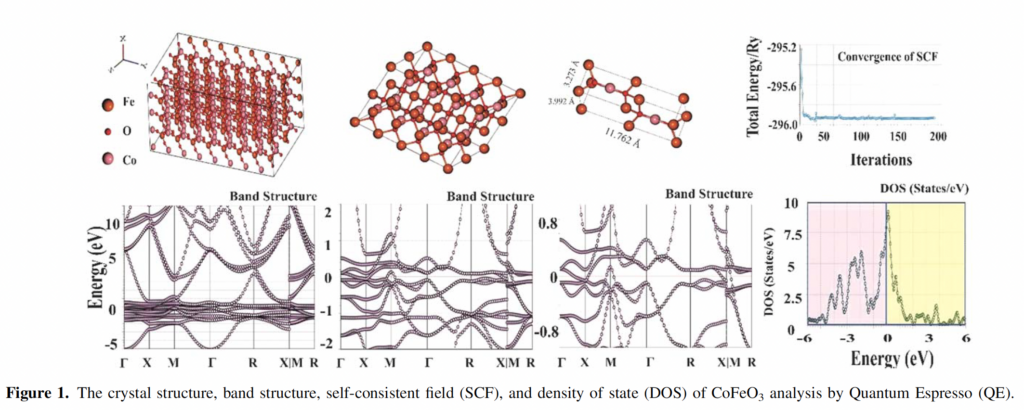
The researchers developed a composite material called CoFeO3, made by combining cobalt (a magnetic material) and iron oxide (a dielectric material). This combination is key. Why? Because effective EM wave absorption requires both magnetic and electrical properties working together.
Using a relatively simple and low-cost method known as mechanical alloying, the team produced this material with remarkable performance. The results are impressive: the material can absorb electromagnetic waves with a reflection loss of −55 dB—far exceeding many previous materials. In simple terms, that means it can absorb nearly all incoming EM waves within certain frequency ranges.
So, how does it work?
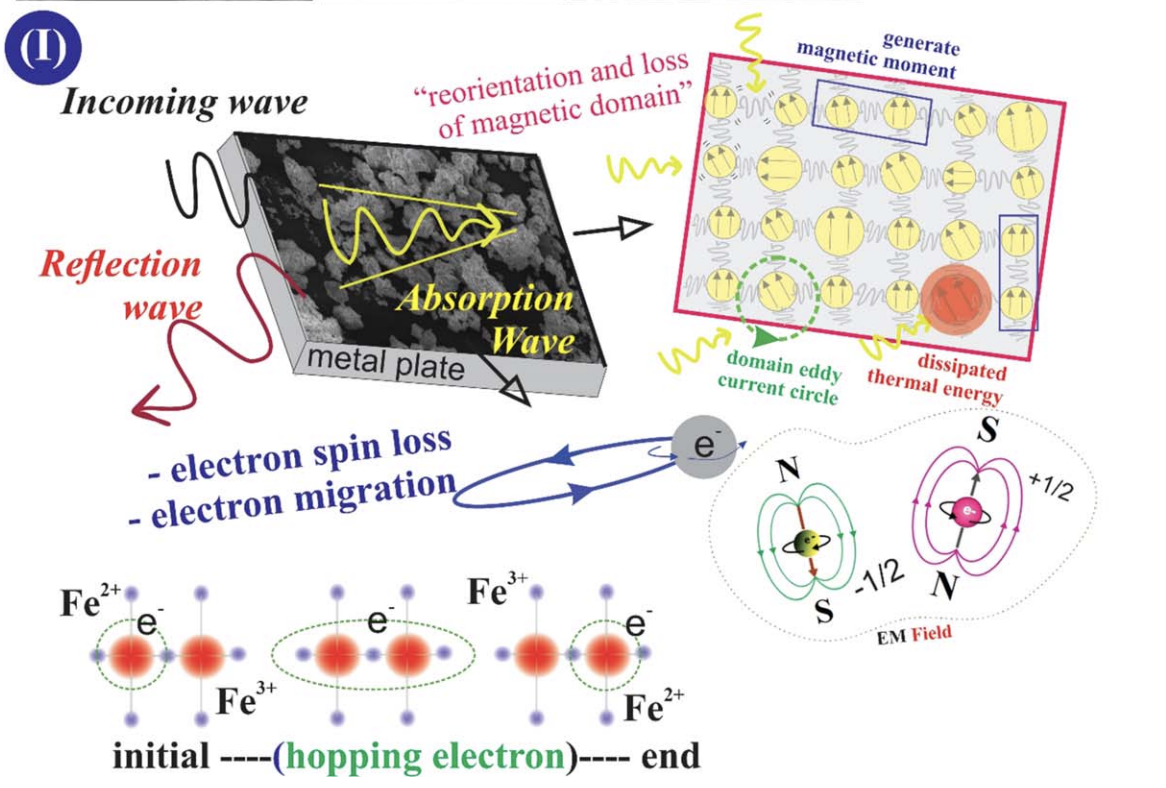
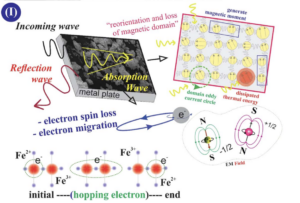
When EM waves hit the surface of this composite, several processes happen at once—reflection, transmission, and absorption. What makes CoFeO3 special is its ability to convert most of that energy into heat through mechanisms like electron movement, magnetic interactions, and internal resonance. Instead of bouncing back into the environment, the waves are essentially “neutralized.”
This innovation has real-world implications.
First, it can help reduce electromagnetic pollution in urban environments, where electronic devices are everywhere. Second, it can improve the performance of sensitive equipment in industries like healthcare and telecommunications. And third, it offers a pathway toward safer living spaces by minimizing long-term exposure to EM radiation.
From a global development perspective, this research directly supports Sustainable Development Goal (SDG) 3: Good Health and Well-being. By reducing harmful exposure to electromagnetic radiation, such materials contribute to healthier environments. It also aligns with SDG 9: Industry, Innovation, and Infrastructure, as it promotes the development of advanced materials for safer and more efficient technologies.
What makes this study even more exciting is its practicality. Unlike complex fabrication methods, the approach used here is relatively simple and scalable. This means it has strong potential for real-world applications, from protective coatings in buildings to components in electronic devices.
In a time when technology is rapidly expanding, innovations like CoFeO3 remind us that progress must go hand in hand with protection. Invisible problems require smart, often invisible solutions—and science is stepping up to the challenge.
Reference : DOI 10.1149/2162-8777/ac44f4
Contact:
Prof. Dahlang Tahir
+62 853-9418-8647
dtahir@fmipa.unhas.ac.id