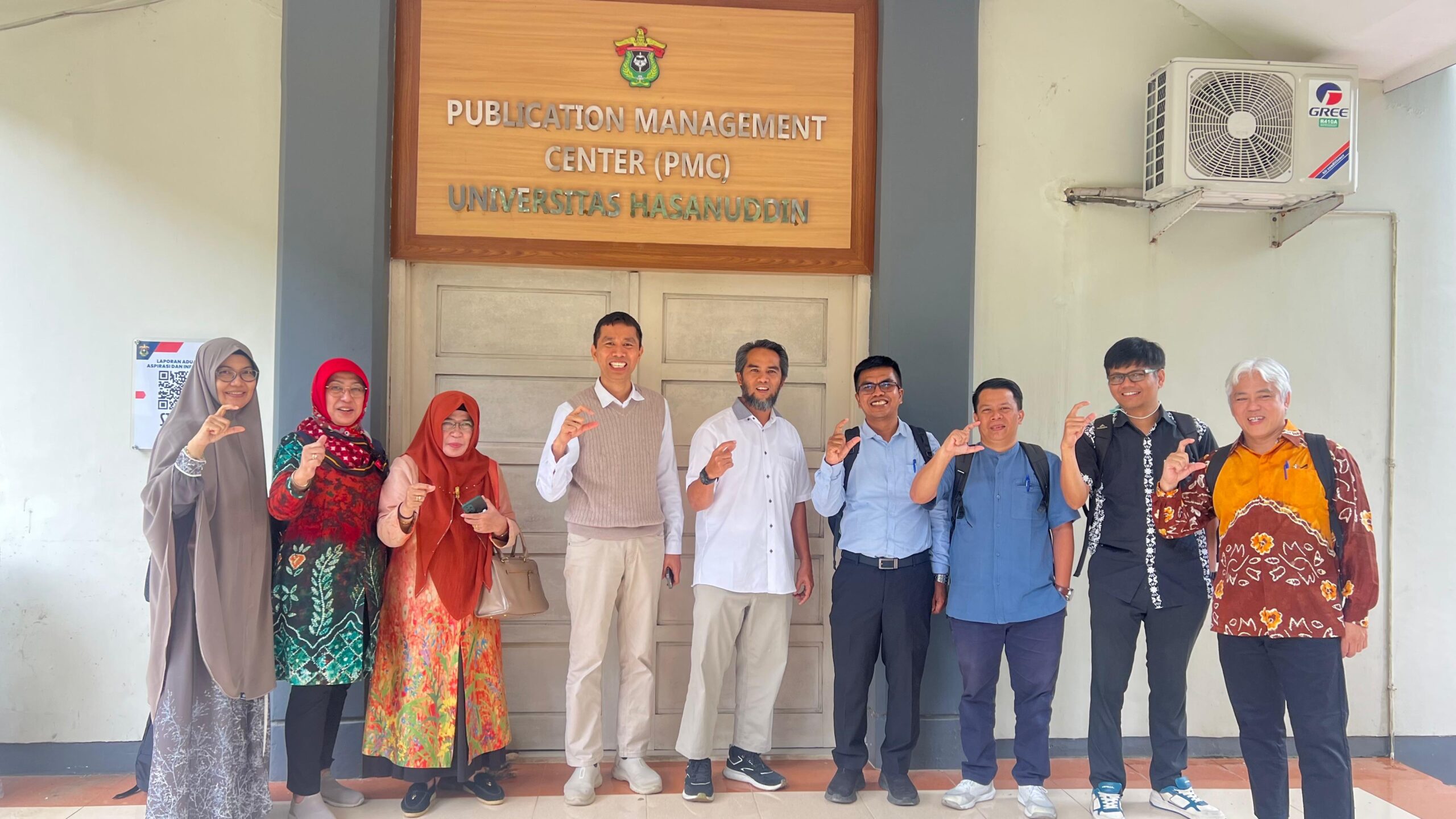

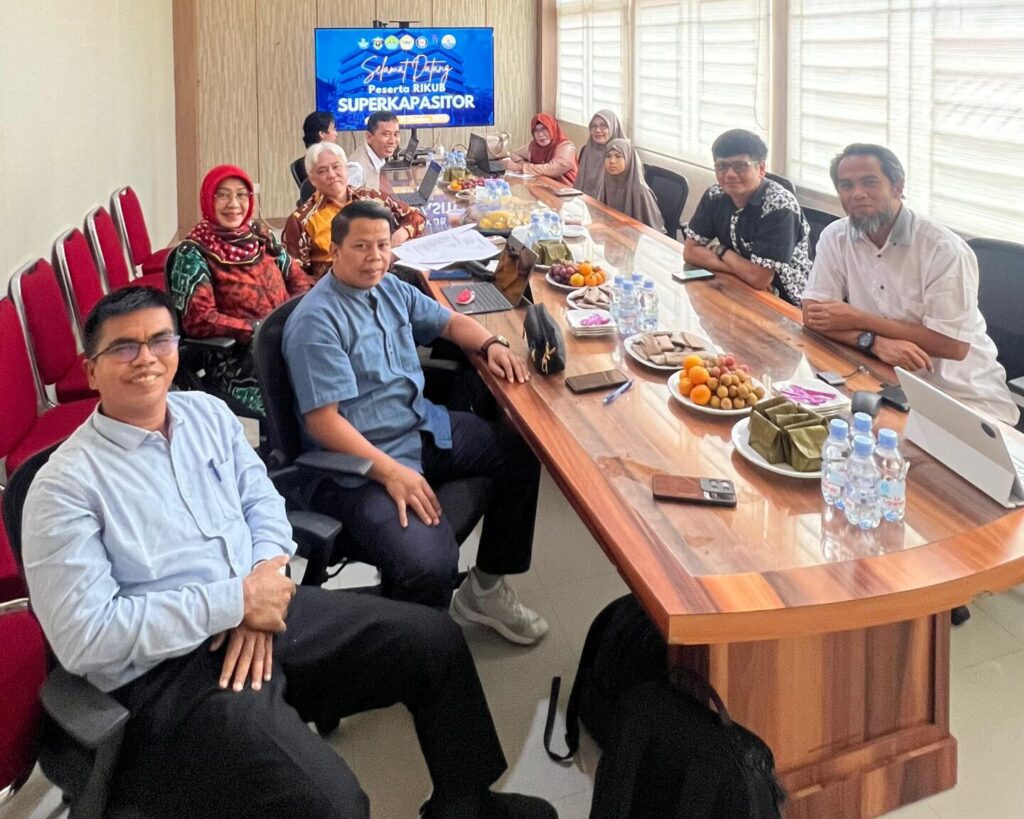
Makassar, Indonesia. October 31, 2025 | BiMin – Hasanuddin University proudly hosted the Riset Konsorsium Unggulan Berdampak (RIKUB) Supercapacitor meeting, a forward-looking initiative designed to spark innovation and strengthen research collaboration in the field of sustainable energy storage. Centered on the theme of research exploration, idea generation, and collaborative development, this activity brought together a diverse academic community to unlock the potential of biomass-based supercapacitors.
The meeting created a vibrant space where science met creativity. Participants engaged in open discussions about how biomass—an abundant and renewable resource—can be transformed into high-performance electrode materials for supercapacitors. These energy storage devices are known for their fast charging capabilities, long cycle life, and potential to complement or even replace conventional batteries in certain applications. By focusing on biomass-derived materials, the research also addresses the growing demand for environmentally friendly and sustainable technologies.
On October 31, 2025, the event gathered three lecturers, four researchers, and three students, creating a balanced and dynamic forum that encouraged both expertise-driven dialogue and fresh perspectives. The inclusion of students added an important dimension to the discussion, as it fostered early engagement in advanced research topics and inspired the next generation of scientists to contribute to sustainable innovation.
Throughout the meeting, participants explored various research directions, including material synthesis, electrochemical performance optimization, and scalable production methods. The collaborative atmosphere allowed ideas to evolve organically, with each participant contributing insights from their respective fields. Rather than focusing solely on results, the meeting emphasized the process of co-creation—where brainstorming, questioning, and refining ideas became central to the experience.
This activity strongly aligns with SDG 4: Quality Education by promoting research-based learning and active knowledge exchange among academics, researchers, and students. It provided a hands-on intellectual environment where participants could deepen their understanding of advanced materials and energy systems while developing critical thinking and problem-solving skills.
Equally significant is its contribution to SDG 17: Partnerships for the Goals. The RIKUB meeting was built on the foundation of collaboration, encouraging participants to move beyond institutional boundaries and work together toward shared research goals. By fostering partnerships across disciplines and academic levels, the initiative strengthens the collective capacity to address complex global challenges, particularly in the energy sector.
In addition, the focus on sustainable energy materials connects with SDG 3: Good Health and Well-being and SDG 15: Life on Land. The development of cleaner energy technologies helps reduce environmental pollution, which in turn supports healthier living conditions. Meanwhile, the use of biomass as a raw material promotes the responsible utilization of natural resources, contributing to environmental conservation and sustainability.