
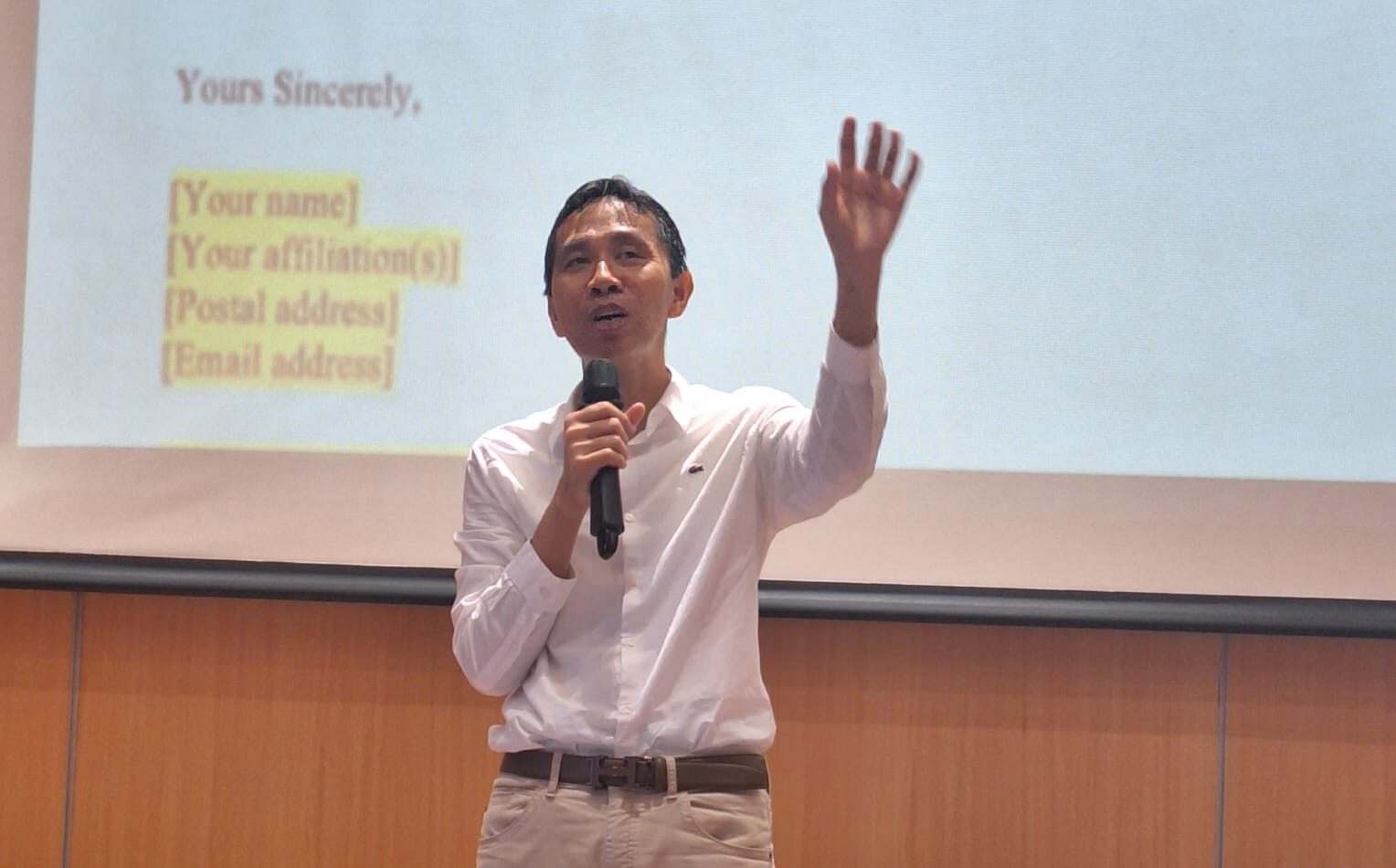

Samarinda, Indonesia. October 6, 2025 | BiMin – The 4th National Seminar on Physics and Geophysics, carrying the theme “Frontiers of Physics and Geophysics: Advancing Sustainable Innovations through Environmental Tropical Rainforest Dynamics and Equatorial Phenomena,” was successfully hosted at Mulawarman University. The seminar served as a dynamic forum where science meets sustainability, bringing forward new perspectives on how physics and geophysics can contribute to understanding and preserving complex natural systems, particularly within tropical and equatorial regions.
Designed as a collaborative knowledge-sharing platform, the event aimed to disseminate the latest research findings while strengthening connections among academic institutions at both national and international levels. The seminar spotlighted how cutting-edge research in physics and geophysics can be translated into innovative solutions for environmental challenges, especially those affecting tropical rainforests—one of the most critical ecosystems on Earth.
A team consisting of two lecturers and three researchers actively participated in this seminar, engaging in discussions that bridged theory and real-world application. The sessions explored a wide array of topics, including climate dynamics, geophysical monitoring, environmental modeling, and sustainable resource management. These discussions were delivered in an approachable yet scientifically grounded manner, ensuring that complex concepts remained accessible to a broader audience.
What set this seminar apart was its strong focus on the unique characteristics of equatorial phenomena and tropical rainforest systems. These regions are not only rich in biodiversity but also play a vital role in regulating global climate patterns. By addressing these topics, the seminar contributed to a deeper understanding of environmental sustainability from a scientific perspective, encouraging participants to think critically about how research can inform policy and practice.
The event aligns closely with several Sustainable Development Goals (SDGs), particularly SDG 4: Quality Education and SDG 17: Partnerships for the Goals. Through interactive sessions and the exchange of up-to-date knowledge, the seminar enhanced educational quality by promoting research-based learning and intellectual growth. At the same time, it fostered collaboration among universities and research communities, reinforcing the importance of partnerships in advancing scientific innovation.
In addition, the seminar’s focus on environmental systems strongly supports SDG 15: Life on Land and SDG 14: Life Below Water. Research on tropical rainforest dynamics contributes directly to the conservation of terrestrial ecosystems, while geophysical studies of environmental processes can also inform the protection of aquatic and marine environments. These connections demonstrate the broader impact of physics and geophysics in sustaining both land and water ecosystems.
Conducted on October 6, 2025, the seminar created an engaging and forward-thinking atmosphere where ideas could evolve into collaborative opportunities. Participants not only shared their research but also explored potential partnerships that could lead to future interdisciplinary projects.


