
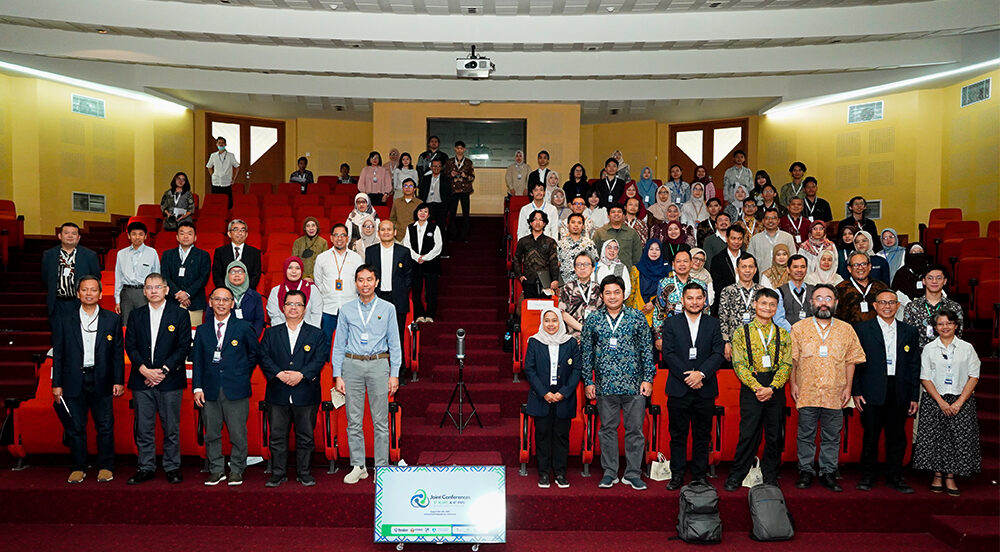
Bandung, Indonesia. August 4, 2025 | BiMin – The 5th International Conference and Exhibition on Powder Technology Indonesia (ICePTi 2025) in conjunction with the 6th Padjadjaran International Physics Symposium (PIPS 2025) marked a significant milestone in advancing scientific dialogue and collaboration at Padjadjaran University. Bringing together expertise from diverse scientific domains, this joint event created a vibrant platform for exchanging the latest research findings while strengthening academic networks across national and international boundaries.
With a focus on powder technology and physics, the conference highlighted how fundamental science and applied research intersect to address real-world challenges. Participants explored a wide range of topics, including advanced materials, nanotechnology, environmental applications, and emerging innovations in physics. These discussions emphasized not only the theoretical aspects of science but also their practical implications in industry, healthcare, and environmental sustainability.
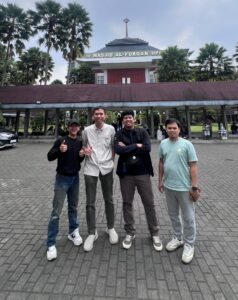
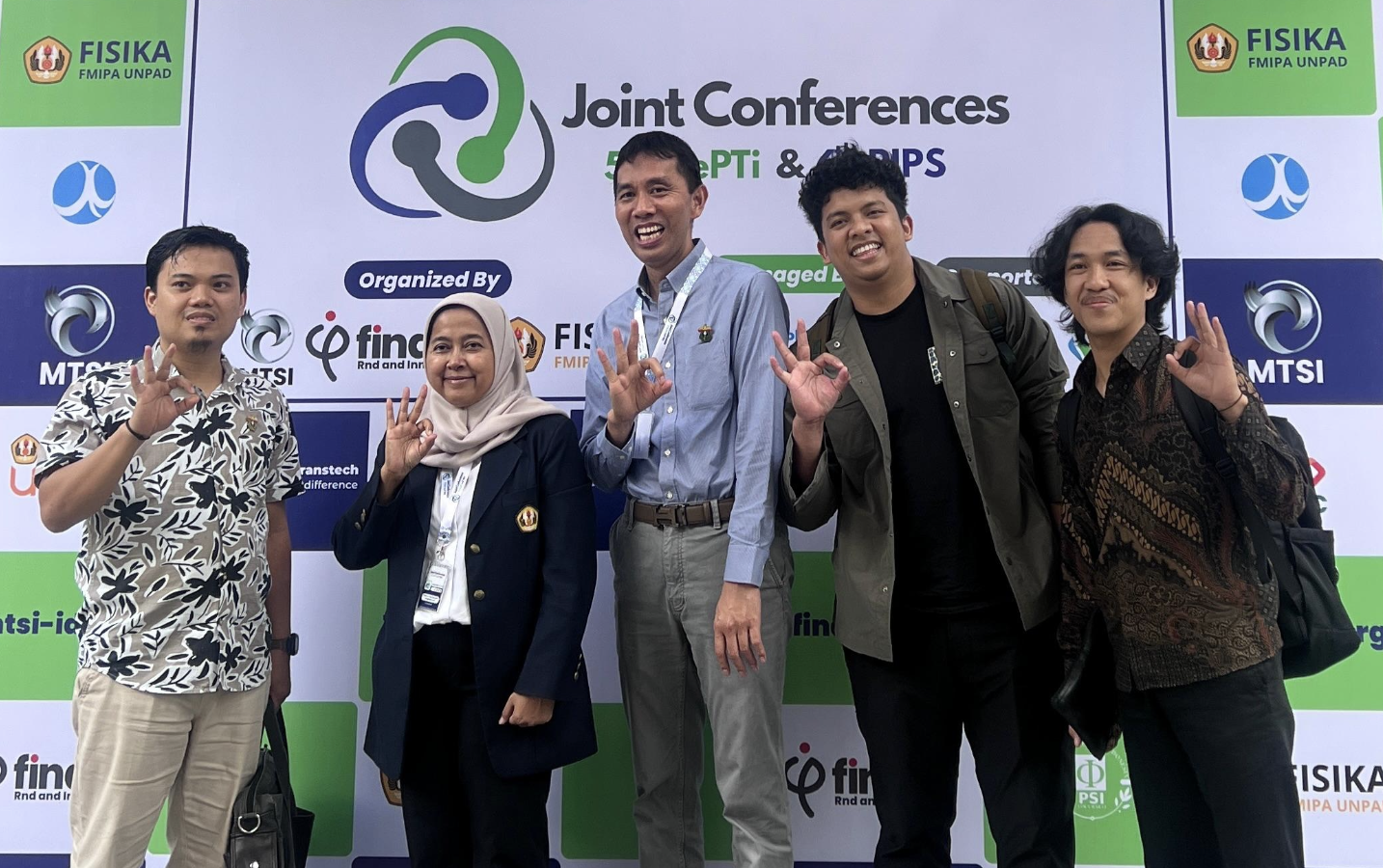
Represented by two lecturers and two researchers, the participating team actively engaged in knowledge exchange sessions, presentations, and collaborative discussions. Their involvement reflected a shared commitment to staying at the forefront of scientific development while contributing to the broader research community. The relatively focused number of participants allowed for deeper interaction, fostering meaningful conversations and the exploration of potential joint research initiatives.
One of the defining features of this event was its ability to bridge disciplines and geographies. By connecting researchers from various institutions and countries, the conference reinforced the importance of interdisciplinary collaboration in tackling complex global issues. This aligns strongly with SDG 17: Partnerships for the Goals, which emphasizes the need for global cooperation in achieving sustainable development. The event served as a catalyst for building long-term partnerships, encouraging participants to move beyond individual research efforts toward collective innovation.
In addition, the conference made a clear contribution to SDG 4: Quality Education. Through the dissemination of up-to-date scientific knowledge and the promotion of academic dialogue, the event supported continuous learning and capacity building among researchers and educators. It created an inclusive intellectual environment where ideas could be shared openly, inspiring new perspectives and enhancing the overall quality of higher education.
The research themes presented during the sessions also resonated with SDG 3: Good Health and Well-being and SDG 15: Life on Land. Advances in materials science and nanotechnology have significant potential in improving healthcare technologies, while innovations in environmental applications contribute to the preservation of terrestrial ecosystems. These connections highlight how scientific research can directly support sustainable and responsible development.
Held on August 4, 2025, the event successfully combined academic rigor with a collaborative and forward-looking spirit. It was not only a venue for presenting research but also a space for building relationships, exchanging ideas, and shaping future directions in science and technology.