

Dr. Mustika Tuwo, S.Si., S.Pd., M.Sc., a member of the Thematic Research Group (TRG) “Biochar for Environmental Sustainability” at Universitas Hasanuddin, has been officially selected as one of the recipients of the 2025 PDPU (Penelitian Dosen Pemula Unhas) Research Grant. This achievement marks a significant milestone in advancing innovative research in plant biotechnology and sustainable environmental applications. The grant was awarded following a rigorous selection process organized by the Institute for Research and Community Service (LPPM) Universitas Hasanuddin.
As part of the evaluation process, Dr. Mustika presented her research proposal entitled “Optimization of Biochar-Based Tissue Culture Media to Reduce Contamination and Improve In Vitro Regeneration of Barangan Banana (Musa acuminata Colla.)” during a seminar session held on March 22, 2025, at the Health Research and Development Center, Room 201, Universitas Hasanuddin, Makassar, Indonesia. The session, conducted from 08.00 to 09.00 WITA, was attended by approximately 20–30 participants, including reviewers, academic staff, and fellow researchers. The presentation highlighted the scientific rationale, novelty, research methodology, and expected outputs, followed by a focused discussion and question-and-answer session with the reviewer panel.
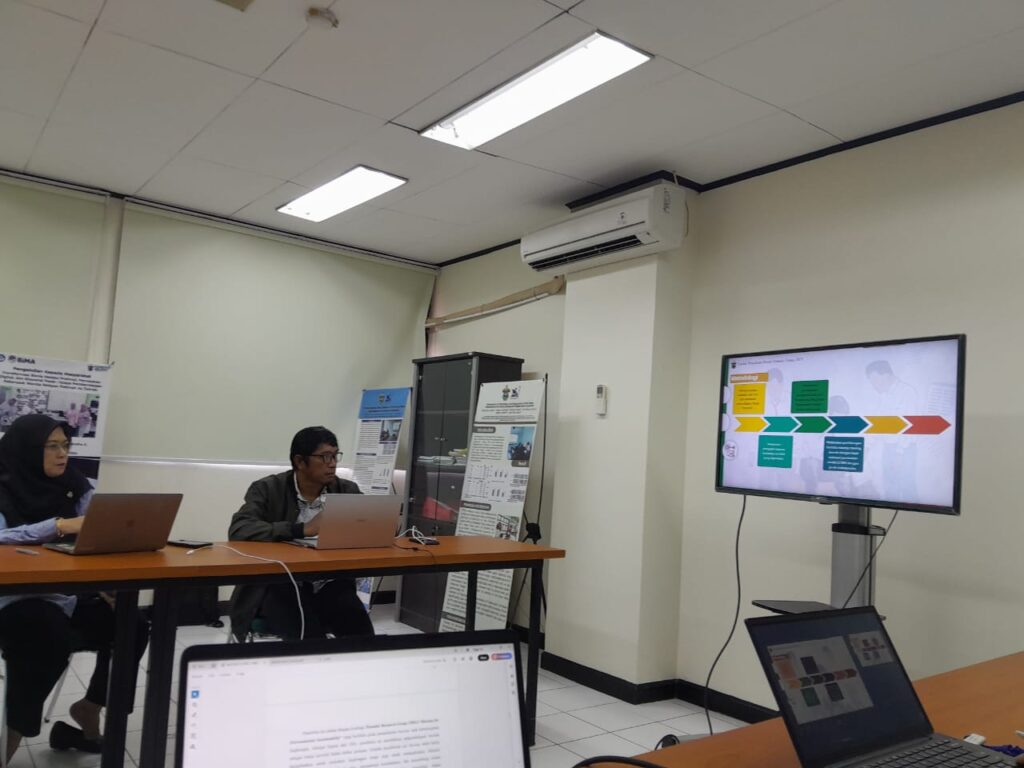
The primary objective of this activity was to evaluate the feasibility, originality, and potential impact of the proposed research, as well as to ensure its alignment with institutional and national research priorities. The proposal emphasizes the use of biochar as a sustainable additive in plant tissue culture media to address contamination issues and enhance regeneration efficiency, particularly in Barangan banana, a valuable horticultural commodity. This research is expected to contribute to improving the efficiency of in vitro propagation techniques while promoting environmentally friendly innovations.
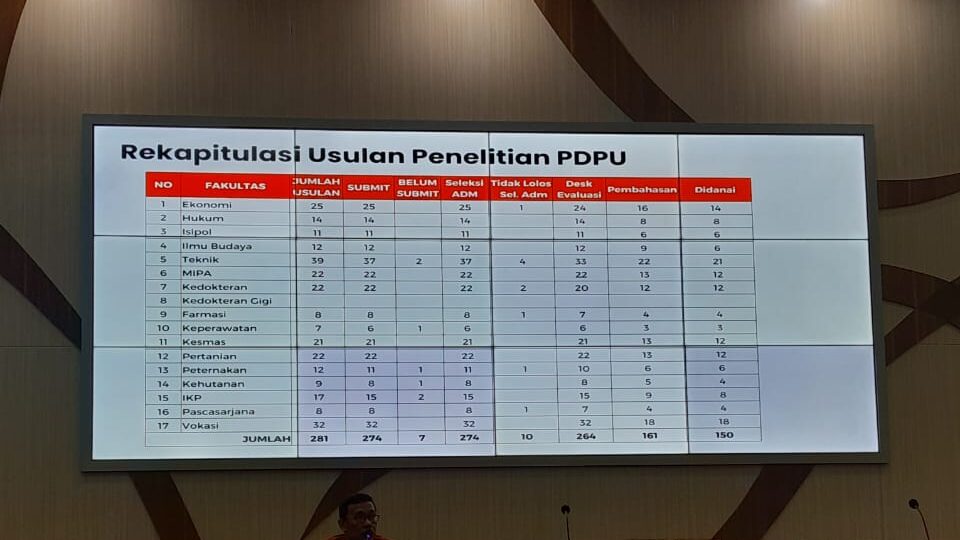
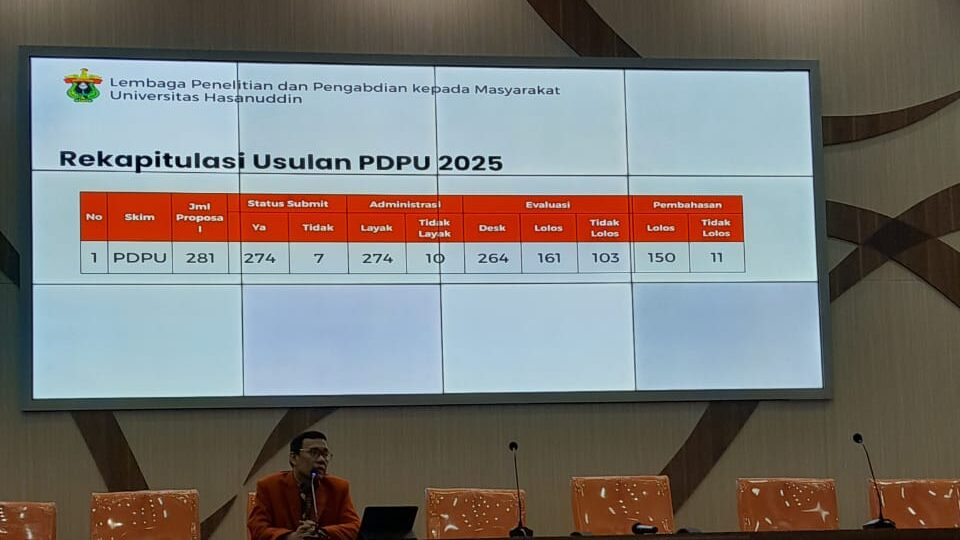
The official announcement of grant recipients was issued on March 27, 2025, through an official letter from the Head of LPPM Universitas Hasanuddin. Out of 281 submitted proposals, 274 were declared administratively eligible, 264 proceeded to the evaluation stage, 161 were invited for presentation, and ultimately 150 proposals were selected for funding. This highly competitive process highlights the quality and relevance of the selected research projects.
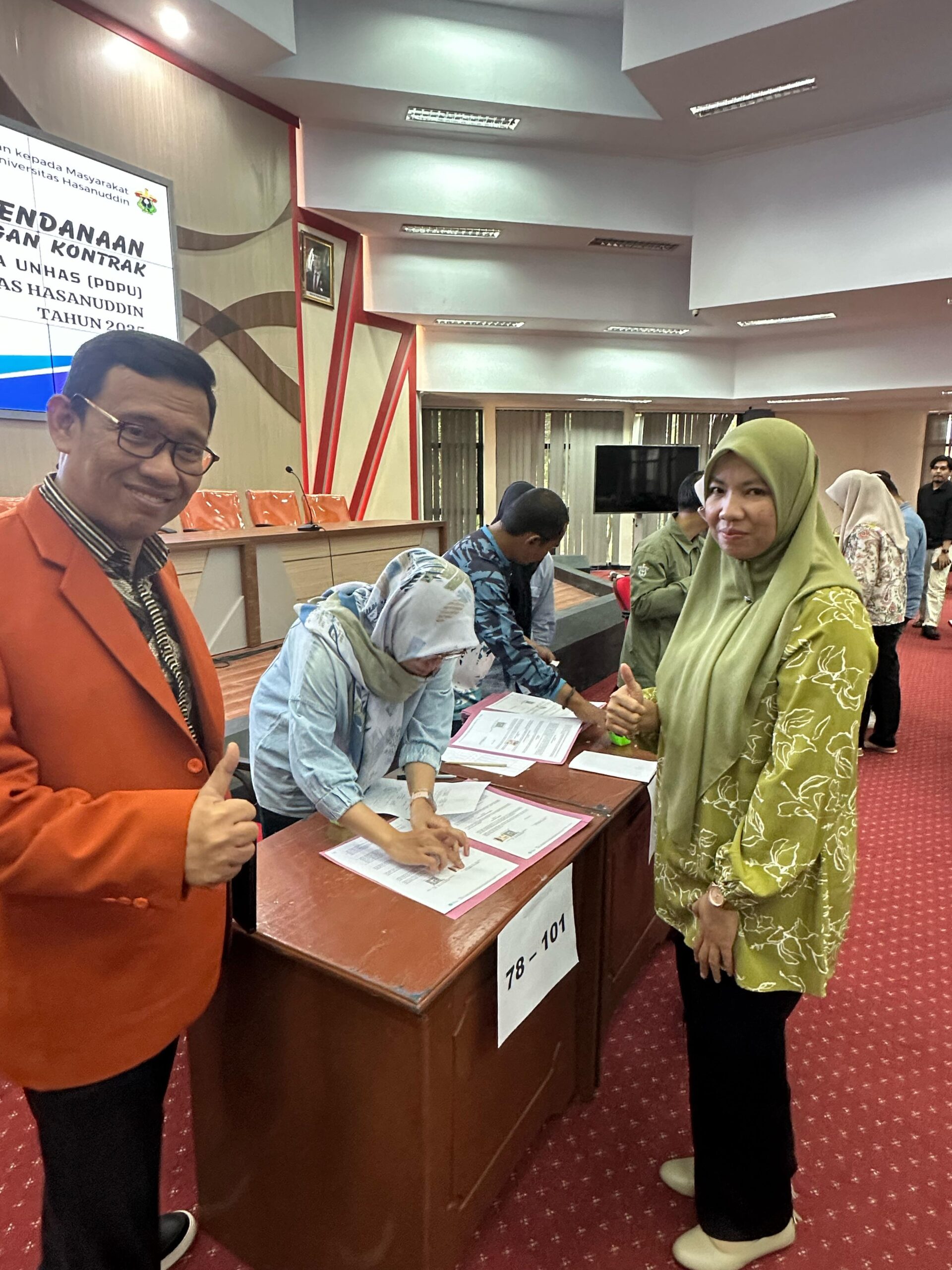
Following the announcement, Dr. Mustika attended the contract signing and grant orientation session held on April 11, 2025, at the LPPM Auditorium, Universitas Hasanuddin. This session also included program socialization and technical guidance for all awardees regarding research implementation and reporting requirements. Each grantee is required to revise their proposal based on reviewer feedback and complete administrative submissions through the official LPPM portal.
This achievement contributes directly to several Sustainable Development Goals (SDGs), particularly SDG 1: No Poverty, SDG 4: Quality Education, and SDG 17: Partnerships for the Goals. The research supports SDG 1 by promoting innovations that can enhance agricultural productivity and support farmer livelihoods. In relation to SDG 4, it strengthens the quality of higher education and research through scientific innovation and capacity building. Furthermore, the collaboration between researchers and institutional bodies reflects SDG 17, reinforcing partnerships to achieve sustainable development.
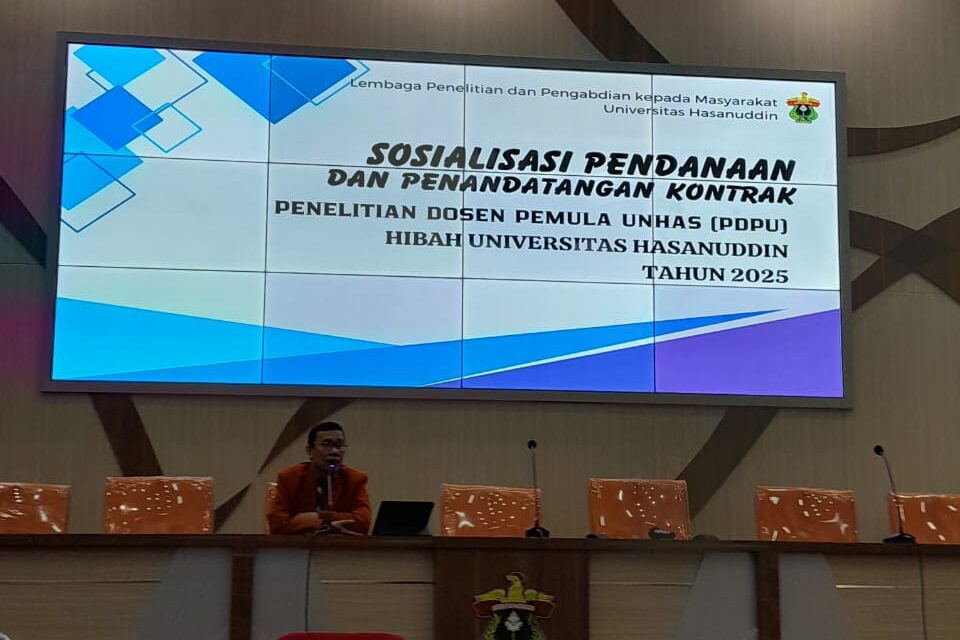
During the orientation, it was reported that a total of 281 proposals were submitted for the PDPU 2025 scheme. Of these, 274 were declared administratively valid. After evaluation, 264 proposals passed to the assessment stage, and 161 were invited to present. In the final selection, 150 proposals were awarded funding.
Overall, this accomplishment underscores the important role of research funding in fostering innovation and strengthening academic excellence. Through this grant, the TRG “Biochar for Environmental Sustainability” continues to contribute to the development of sustainable solutions in plant biotechnology and environmental management.