


MAKASSAR, Indonesia, Jul 2025 – Every day, households and industries produce large volumes of wastewater. Among them is greywater—wastewater from activities like washing, cooking, and cleaning. While it may seem harmless, untreated greywater can carry organic pollutants that degrade water quality and harm the environment. As urban populations grow, finding affordable and sustainable ways to treat this water is becoming increasingly urgent. A recent study titled “Utilizing Activated Sludge Substrates from the Conduit of Tofu and Slaughterhouse Industries to Treat Greywater”, published in the Ecological Engineering & Environmental Technology journal by Polskie Towarzystwo Inzynierii Ekologicznej on June 15, 2025, introduces an innovative solution: using industrial byproducts to clean wastewater.
Turning Waste into a Valuable Resource
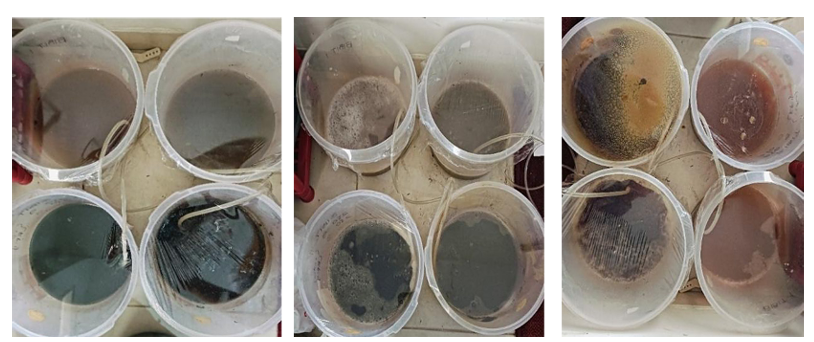
Tofu production and slaughterhouse operations generate significant amounts of organic waste. Traditionally, these byproducts are considered environmental burdens. However, the study explores how these materials can be repurposed as substrates in activated sludge systems—a widely used biological method for wastewater treatment. Activated sludge contains microorganisms that “feed” on organic pollutants in wastewater. By adding nutrient-rich substrates derived from tofu and slaughterhouse waste, researchers found that microbial activity can be enhanced, improving the efficiency of greywater treatment.
How the Process Works
In simple terms, this system works like a natural cleaning engine. Microorganisms in the activated sludge break down organic matter present in greywater, reducing pollution levels. The addition of substrates from tofu and slaughterhouse waste provides extra nutrients, helping these microorganisms grow and perform more effectively. As a result, key indicators of water pollution—such as organic load and suspended solids—can be significantly reduced. This means cleaner water that is safer to discharge into the environment or potentially reuse for non-potable purposes.
Supporting Global Sustainability Goals
This approach directly contributes to SDG 3: Good Health and Well-being, as improved wastewater treatment reduces exposure to contaminated water and lowers the risk of disease. By transforming waste into a resource, this method also supports sustainable urban development and promotes environmentally friendly practices. Additionally, the innovation supports circular economy principles by transforming industrial waste into a useful resource. Instead of contributing to pollution, these byproducts become part of the solution—reducing waste while improving environmental outcomes.
A Practical Solution for Growing Cities
One of the key strengths of this method is its practicality. It does not rely on expensive technology or complex infrastructure, making it suitable for developing regions where wastewater treatment systems are often limited. By integrating waste from local industries, communities can create more sustainable and self-sufficient treatment systems. Moreover, this approach encourages collaboration between different sectors—households, food industries, and environmental management systems—highlighting the importance of integrated solutions in addressing environmental challenges.
Toward a Cleaner and More Sustainable Future
As cities continue to expand, the pressure on water resources will only increase. Innovations like this demonstrate that sustainable solutions can emerge from unexpected places—even from waste itself.
By rethinking how we manage both wastewater and industrial byproducts, we can move closer to a future where pollution is minimized, resources are reused, and clean water is accessible for all.
Reference
DOI:
https://doi.org/10.12912/27197050/205572
Contact:
Prof. Fahruddin
+62 853-4264-9190
fahruddin_science@unhas.ac.id