


MAKASSAR, Indonesia, Apr 2025 – At first glance, greenish coastal waters may seem rich and full of life. But beneath that surface lies a growing environmental concern known as eutrophication—a condition where water bodies become overloaded with nutrients, triggering excessive algal growth and disrupting marine ecosystems. This phenomenon is now becoming increasingly visible in many coastal regions, including Parepare City. A recent study titled “Analysis of Eutrophication Levels in the Coastal Waters of Parepare City”, published in the Egyptian Journal of Aquatic Biology & Fisheries by the Egyptian Society for the Development of Fisheries and Human Health on March 22, 2025, sheds light on the extent of this issue and its implications for marine sustainability.
What Is Eutrophication and Why Does It Matter?
Eutrophication occurs when excessive nutrients—primarily nitrogen and phosphorus—enter water systems. These nutrients often originate from human activities such as domestic wastewater, agricultural runoff, and urban development. While nutrients are essential for aquatic life, too much of them can upset the natural balance. In simple terms, eutrophication is like “overfeeding” the ocean. The excess nutrients fuel rapid growth of algae, which can block sunlight from reaching underwater plants. As these algae die and decompose, they consume large amounts of oxygen, leading to hypoxic conditions—or “dead zones”—where fish and other marine organisms struggle to survive.
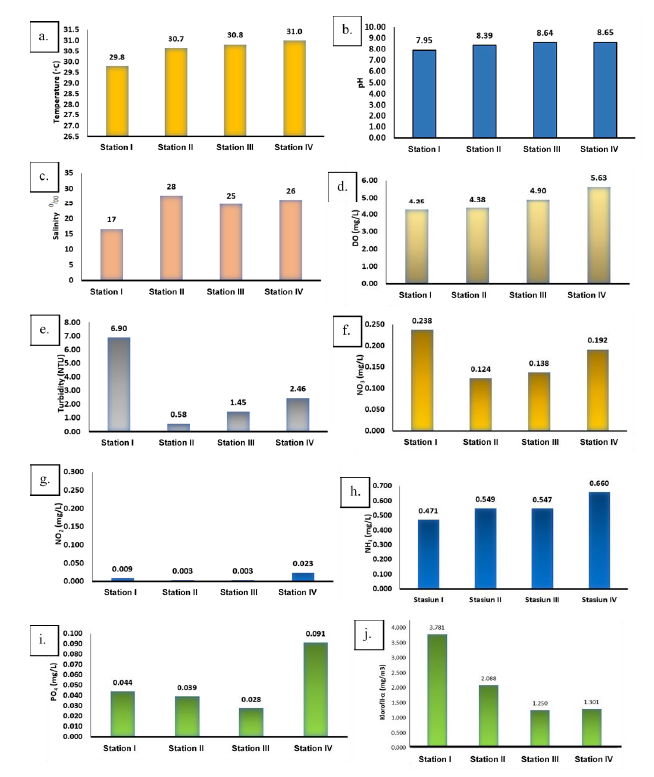
Findings from Parepare’s Coastal Waters
The study reveals that certain areas of Parepare’s coastal waters are experiencing varying levels of eutrophication, influenced by local human activities. Indicators such as nutrient concentration, water clarity, and biological productivity were analyzed to determine the severity of the condition. The results suggest that increasing nutrient loads are contributing to declining water quality. This not only threatens marine biodiversity but also affects fisheries, which are vital for local livelihoods. For coastal communities, the impact is both environmental and economic.
Why This Matters Globally
This issue is not unique to Parepare. Coastal eutrophication is a global challenge, particularly in rapidly developing regions. The findings from this study highlight the urgent need for better waste management and environmental monitoring. Addressing this problem directly supports SDG 14: Life Below Water, as eutrophication threatens aquatic biodiversity and disrupts ecosystem balance. Addressing this problem requires reducing nutrient inputs from wastewater and agricultural runoff. Continuous monitoring and public awareness are also essential to protect freshwater ecosystems.
What Can Be Done?
Solutions to eutrophication require a combination of awareness, policy, and action. Reducing the discharge of untreated wastewater, improving agricultural practices, and promoting environmentally friendly urban planning are essential steps. Community involvement is equally important, as local actions collectively shape environmental outcomes. In addition, continuous scientific monitoring is crucial to track changes in water quality and evaluate the effectiveness of interventions. By understanding the causes and impacts of eutrophication, policymakers and communities can make informed decisions to protect coastal ecosystems.
A Call for Sustainable Coastal Management
The case of Parepare serves as a reminder that even seemingly natural changes in water appearance can signal deeper environmental issues. Protecting coastal waters requires proactive efforts and a commitment to sustainability. As the world moves toward a more environmentally conscious future, maintaining the health of our oceans is not just an option—it is a necessity.
Reference
DOI:
https://doi.org/10.21608/ejabf.2025.429357
Contact:
Prof. Fahruddin
+62 853-4264-9190
fahruddin_science@unhas.ac.id