


MAKASSAR, Indonesia, Oct 2025 – Every time we wash our clothes, we rarely think about where the wastewater goes. Loaded with detergents, chemicals, and especially phosphates, laundry effluents often flow into rivers and lakes, silently contributing to water pollution. Over time, this can trigger excessive algal blooms, deplete oxygen levels, and harm aquatic life. But what if the solution to this problem already exists within nature itself? A recent study titled “Potential of Microalgal Growth in Laundry Effluents for Phosphate Phytoremediation”, published in the Nature Environment and Pollution Technology journal by Technoscience Publications on September 1, 2025, highlights an innovative and eco-friendly approach: using microalgae to clean polluted water.
Tiny Organisms, Powerful Impact
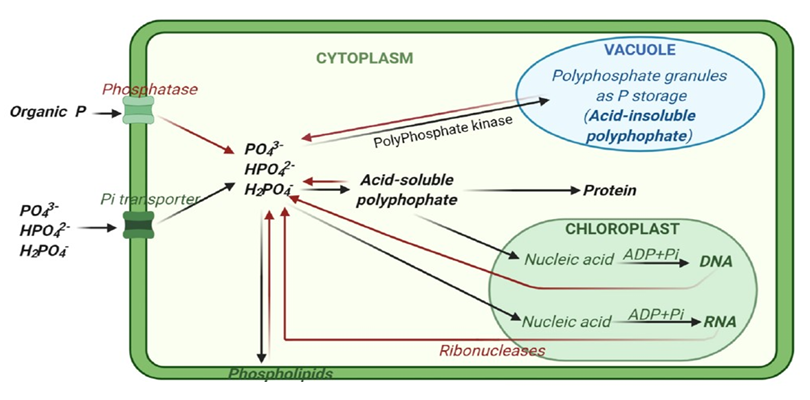
Microalgae are microscopic plants that naturally live in water. While often overlooked, they have an extraordinary ability to absorb nutrients, including phosphates. In laundry wastewater, phosphates are a major pollutant, primarily originating from detergents. When these nutrients accumulate in natural water bodies, they can disrupt ecosystems and cause environmental imbalance. The study demonstrates that certain microalgae species can grow effectively in laundry effluents while simultaneously removing phosphate from the water. In simple terms, the more the microalgae grow, the more pollutants they absorb. This process is known as phytoremediation—a natural method of using plants or plant-like organisms to clean contaminated environments.
How the Process Works
Think of microalgae as living filters. When introduced into wastewater, they utilize sunlight, carbon dioxide, and nutrients like phosphate to grow. As they multiply, they “consume” the excess phosphate, reducing pollution levels in the water. Over time, this leads to cleaner, safer water that can potentially be reused or safely released into the environment. An added advantage is that the harvested microalgal biomass can be reused for other purposes, such as biofertilizers or even bioenergy production. This creates a sustainable cycle where waste is not just treated but transformed into something useful.
Supporting Global Sustainability Goals
This innovation directly contributes to SDG 14: Life Below Water, as it helps prevent eutrophication and protects aquatic biodiversity. By reducing nutrient pollution, microalgae-based treatment systems support healthier rivers, lakes, and coastal ecosystems. Additionally, the harvested biomass can be reused, creating a sustainable cycle that turns waste into valuable resources. Moreover, this approach supports sustainable practices by minimizing reliance on chemical treatment methods, which can be costly and sometimes harmful to the environment. Instead, it leverages natural biological processes that are both efficient and sustainable.
A Cleaner Future Through Nature
What makes this solution particularly exciting is its simplicity and scalability. It can be adapted for small households, community-level systems, or even industrial applications. With proper design and management, microalgae-based systems could become a key tool in addressing water pollution challenges worldwide. As environmental concerns continue to grow, this research reminds us that nature often provides the best solutions—if we know how to use them wisely. From something as ordinary as laundry wastewater, a cleaner and more sustainable future may begin.
Reference
DOI:
https://doi.org/10.46488/NEPT.2025.v24i03.D1735
Contact:
Prof. Fahruddin
+62 853-4264-9190
fahruddin_science@unhas.ac.id