
In Indonesia, November 25, 2025 — In today’s fast-moving global economy, businesses are no longer judged solely by how much profit they generate. Increasingly, they are evaluated based on how they contribute to society and the environment. This is where Corporate Social Responsibility (CSR) comes into play—a concept that encourages companies to act ethically while supporting sustainable development. Insights from research conducted in Indonesia highlight how CSR practices are evolving in emerging economies and shaping responsible business behavior.
CSR is not just about charity or occasional donations. It is a structured approach that integrates social, environmental, and economic concerns into business operations. Companies practicing CSR aim to create a positive impact not only for shareholders but also for employees, communities, and the planet. In the Indonesian context, businesses are increasingly encouraged to align their CSR initiatives with national and global sustainability agendas.
According to recent academic discussions, CSR has evolved into a global standard. Businesses are now expected to comply with regulations, adopt transparent practices, and actively engage with stakeholders. This shift reflects growing awareness that long-term success depends on sustainability, not just short-term gains. Research findings from Indonesia further illustrate how regulatory frameworks and institutional support play a key role in strengthening CSR implementation.
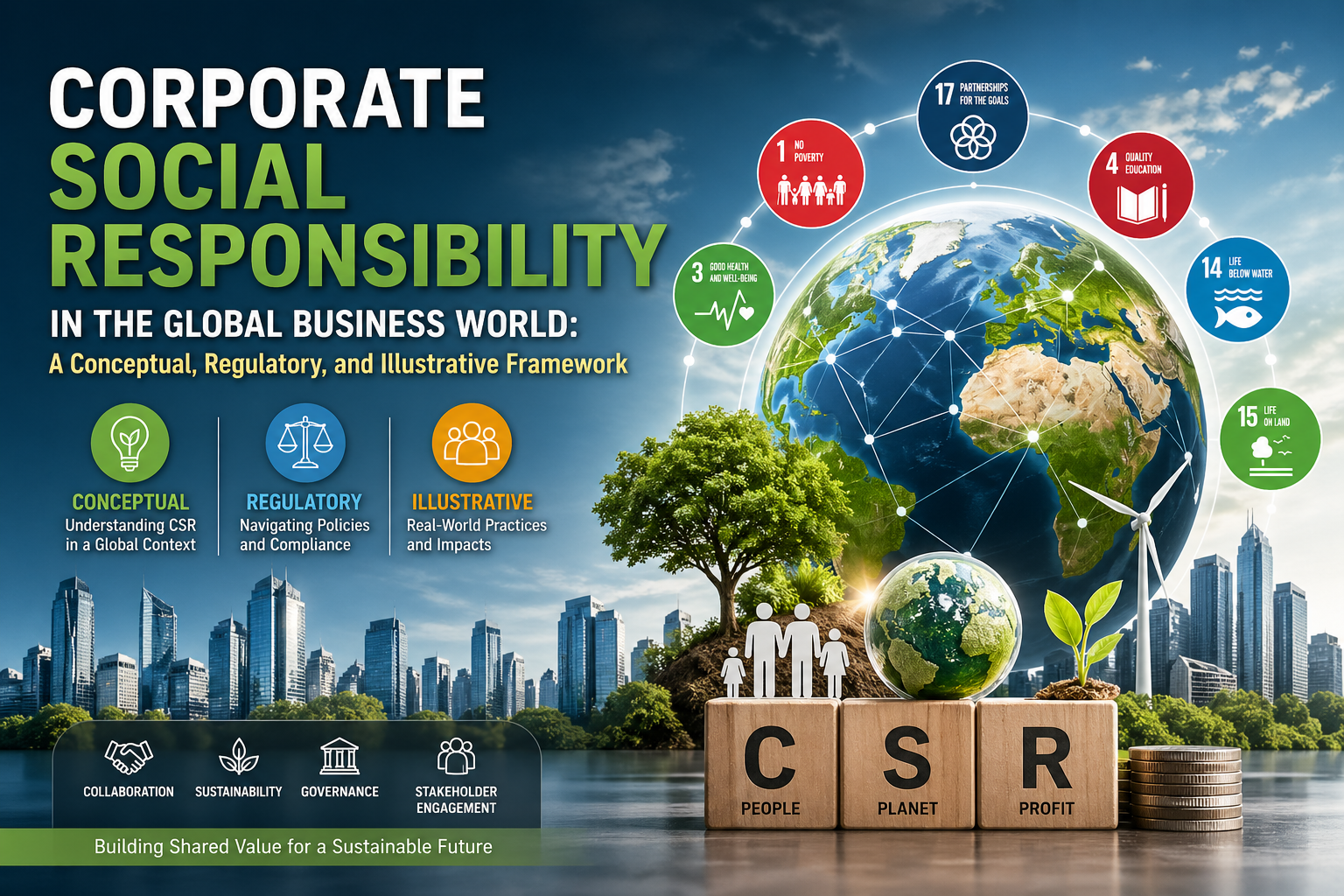
One of the most important aspects of CSR is its alignment with global development goals. In particular, CSR strongly supports Sustainable Development Goals (SDGs) 17: Partnerships for the Goals. This SDG emphasizes collaboration between governments, businesses, and communities to achieve sustainable progress. Through CSR initiatives, companies often partner with local organizations, NGOs, and governments to address pressing social and environmental issues.
For example, a company might invest in community education programs, helping improve access to quality learning. This indirectly supports SDGs 4 (Quality Education). Others may focus on environmental conservation, contributing to SDGs 14 (Life Below Water) and SDGs 15 (Life on Land) by reducing pollution and protecting ecosystems. These efforts show that CSR is not isolated—it connects directly to global challenges.
However, implementing CSR is not without challenges. Some companies may treat it as a branding tool rather than a genuine commitment. This can lead to skepticism among the public. Therefore, transparency and accountability are essential. Businesses must ensure that their CSR activities are measurable, consistent, and aligned with real community needs.
Another important point is that CSR benefits businesses themselves. Companies that actively engage in responsible practices tend to build stronger reputations, gain customer trust, and maintain long-term competitiveness. Employees are also more motivated to work for organizations that care about social impact.
In simple terms, CSR represents a shift in how we define business success. It is no longer just about financial performance but about creating shared value for all stakeholders. When done right, CSR becomes a powerful tool to bridge the gap between economic growth and social responsibility.
As global challenges continue to grow—from climate change to social inequality—the role of CSR becomes even more critical. Businesses have the resources, influence, and reach to drive meaningful change. By aligning their strategies with SDGs, especially SDGs 17, companies can play a key role in building a more sustainable and inclusive future.
Reference
Contact:
mediaty
+6285242070144
mediaty@unhas.ac.id