
In Indonesia, 4 March 2026, small businesses are quietly undergoing a powerful transformation. Behind neighborhood shops, local food stalls, and home-based enterprises, a digital shift is changing how money is recorded, managed, and ultimately grown. This shift is not just about technology—it is about opportunity, resilience, and smarter decision-making.
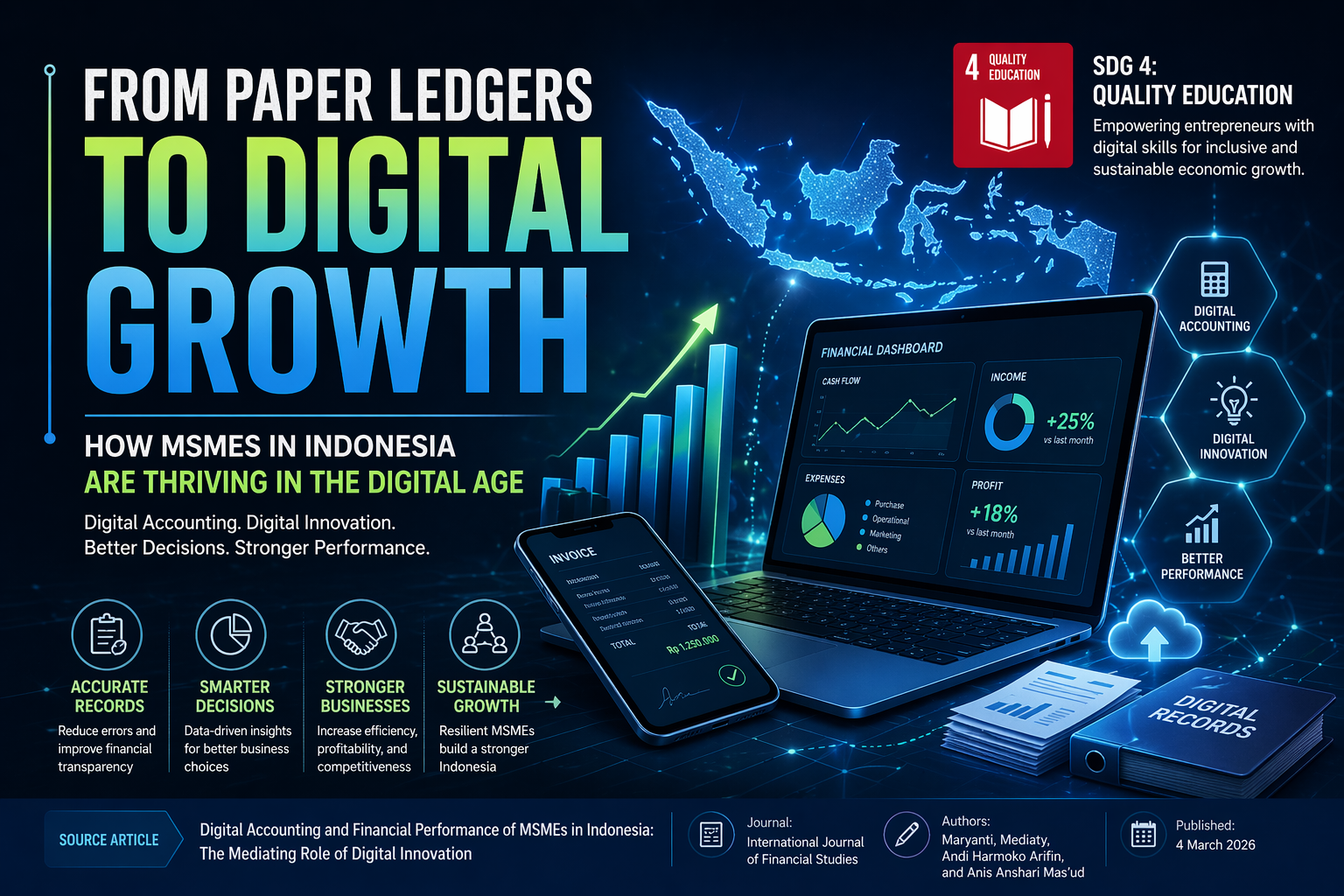
Micro, Small, and Medium Enterprises (MSMEs) have long been the backbone of Indonesia’s economy. Yet, many of them traditionally relied on manual bookkeeping, which often led to errors, limited financial insight, and slow decision-making. Today, digital accounting is stepping in as a game changer. By using simple software and mobile applications, business owners can now track income, expenses, and profits in real time.
What makes this transformation even more interesting is the role of digital innovation. It’s not just about replacing paper with screens—it’s about rethinking how businesses operate. Digital tools allow MSMEs to analyze trends, forecast growth, and even connect with customers more effectively. As a result, businesses become more adaptive and competitive in an increasingly digital economy.
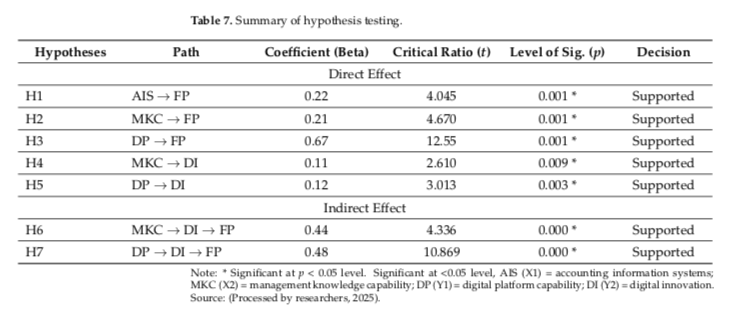
Research shows that when MSMEs adopt digital accounting, their financial performance improves significantly. Why? Because better records lead to better decisions. When business owners understand their cash flow clearly, they can plan investments, reduce unnecessary costs, and respond quickly to market changes. In short, digital accounting empowers them with clarity and confidence.
However, the journey is not always smooth. Many MSME owners still face challenges such as limited digital skills, lack of training, or resistance to change. This is where education becomes crucial. Strengthening digital literacy helps business owners fully utilize these tools and unlock their potential.
This transformation aligns closely with SDG 4: Quality Education, which emphasizes the importance of inclusive and equitable education. In this context, education is not only about schools but also about equipping entrepreneurs with the skills they need to thrive in a digital world. By improving digital knowledge among MSMEs, Indonesia is not only supporting business growth but also fostering long-term economic sustainability.
Beyond individual businesses, the impact is broader. Digitally empowered MSMEs contribute to stronger local economies, create more jobs, and enhance financial inclusion. They become more resilient in times of crisis and more capable of scaling their operations.
The message is clear: digital accounting is more than a technical upgrade—it is a strategic tool for growth. As more MSMEs embrace digital innovation, Indonesia moves closer to a future where small businesses are not just surviving, but truly thriving.
Reference:
mediaty
mediaty@unhas.ac.id