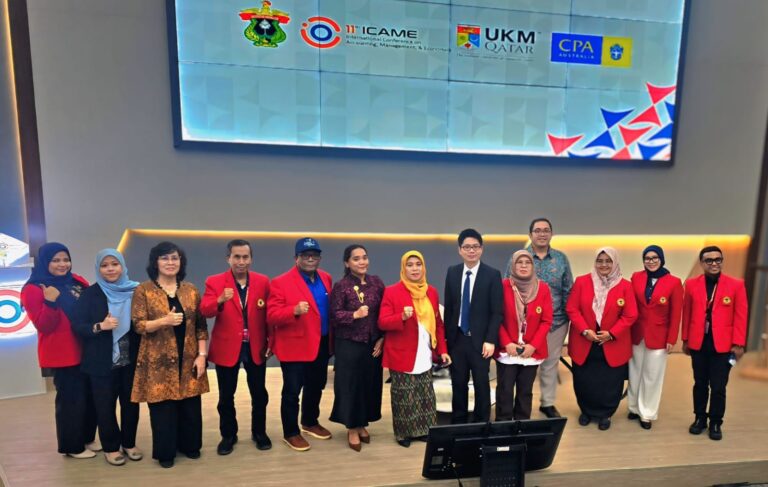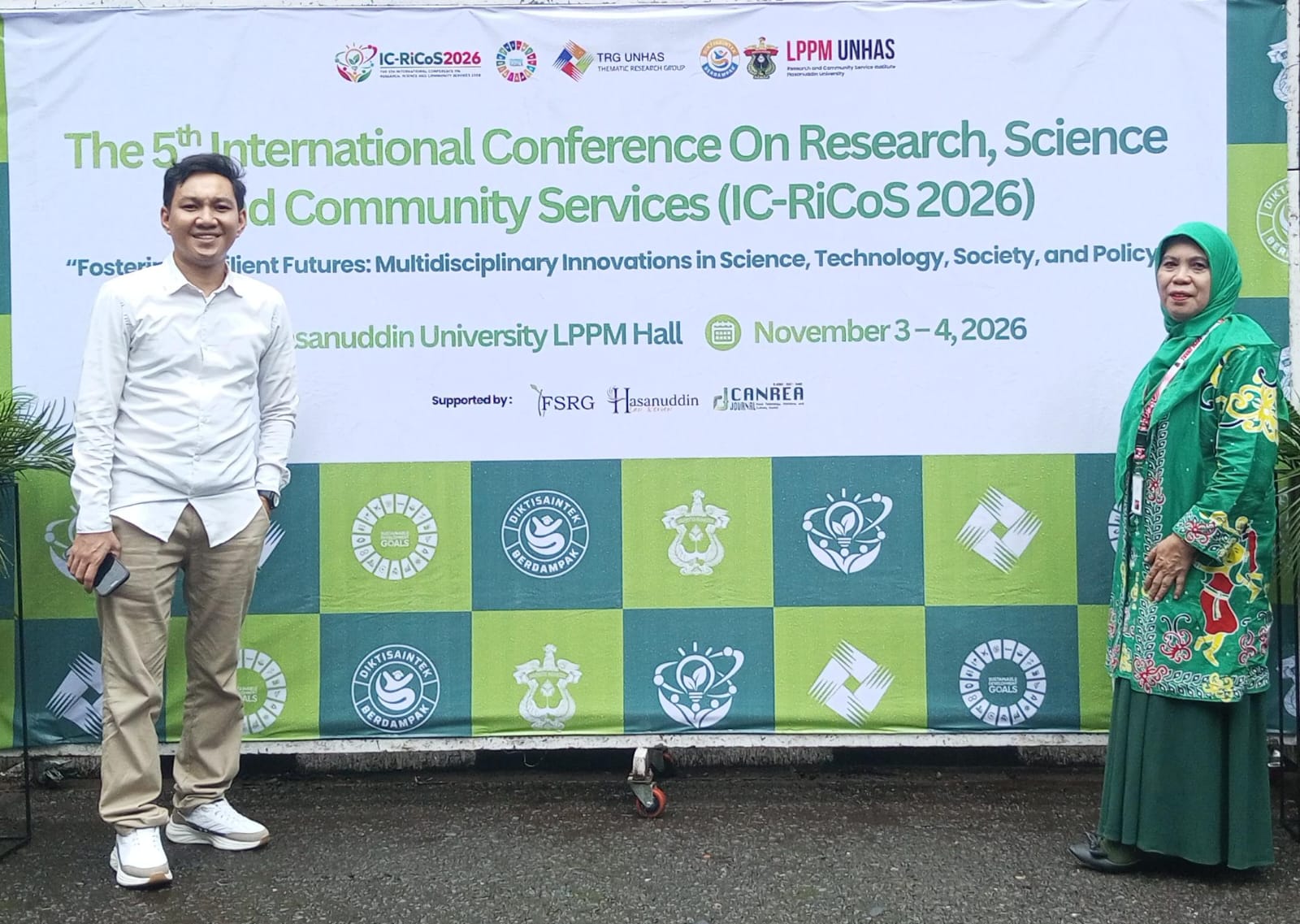

LPPM UNHAS, Makassar, Indonesia/3 November 2026. Researchers from the Thematic Research Group (TRG) of Hasanuddin University took part in The 5th International Conference on Research, Science, and Community Services 2026 (IC-RICoS 2026), held on Tuesday, 3 November 2026 at LPPM Universitas Hasanuddin. With the theme “Fostering Resilient Futures: Multidisciplinary Innovations in Science, Technology, Society, and Policy,” the conference brought together approximately 200 participants, including academics, researchers, students, policymakers, and community practitioners from many disciplines.
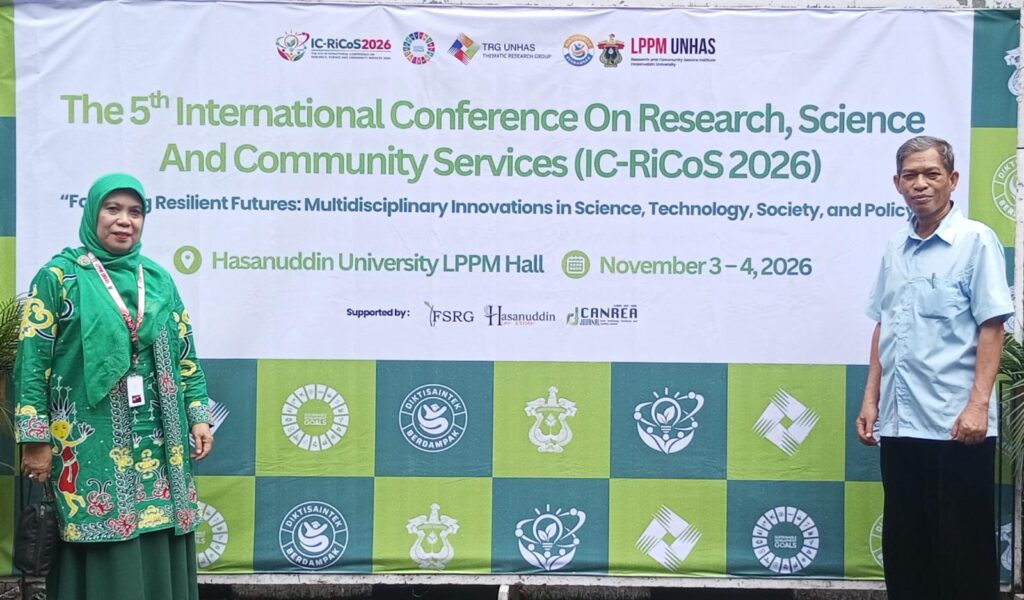
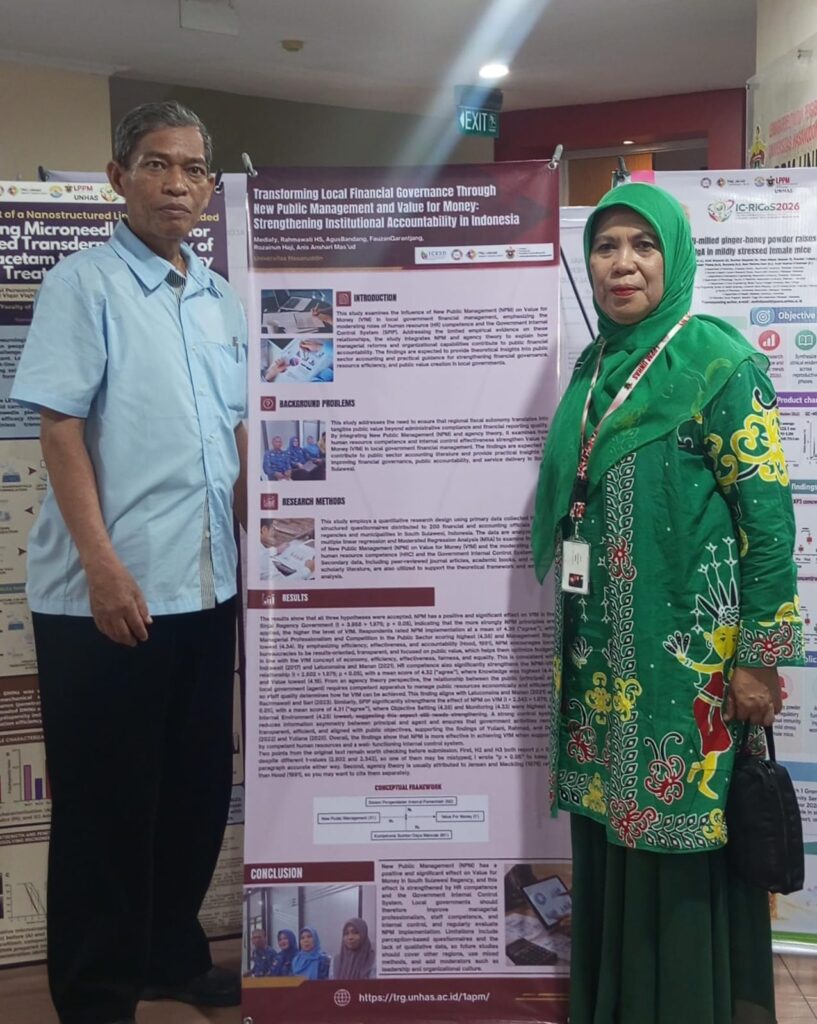
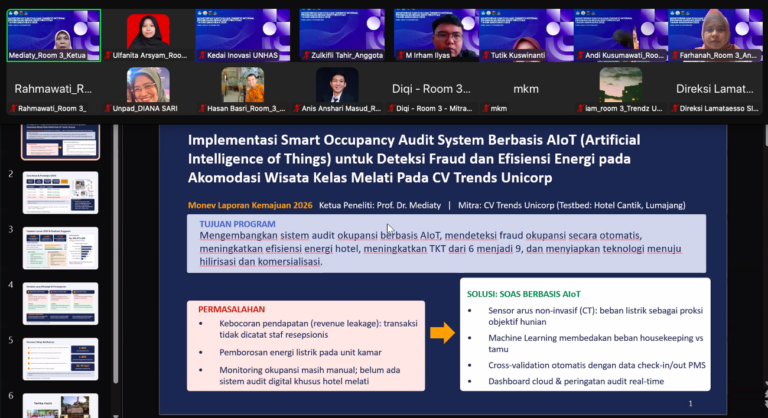
At the conference, the TRG team presented a scientific poster titled “Transforming Local Financial Governance Through New Public Management and Value for Money: Strengthening Institutional Accountability in Indonesia.” The study addresses an important question in Indonesia’s decentralization era: how can local governments manage public funds more efficiently, transparently, and responsibly so that every rupiah spent delivers real benefits to citizens?
The research draws on two complementary concepts. New Public Management (NPM) encourages public institutions to adopt result-oriented practices, such as performance-based budgeting, clear targets, and managerial accountability. Value for Money (VfM) evaluates public spending through three lenses: economy (spending less), efficiency (spending well), and effectiveness (spending wisely). By combining these approaches, the team argues that local governments can move beyond simple compliance with financial regulations toward real accountability for outcomes.
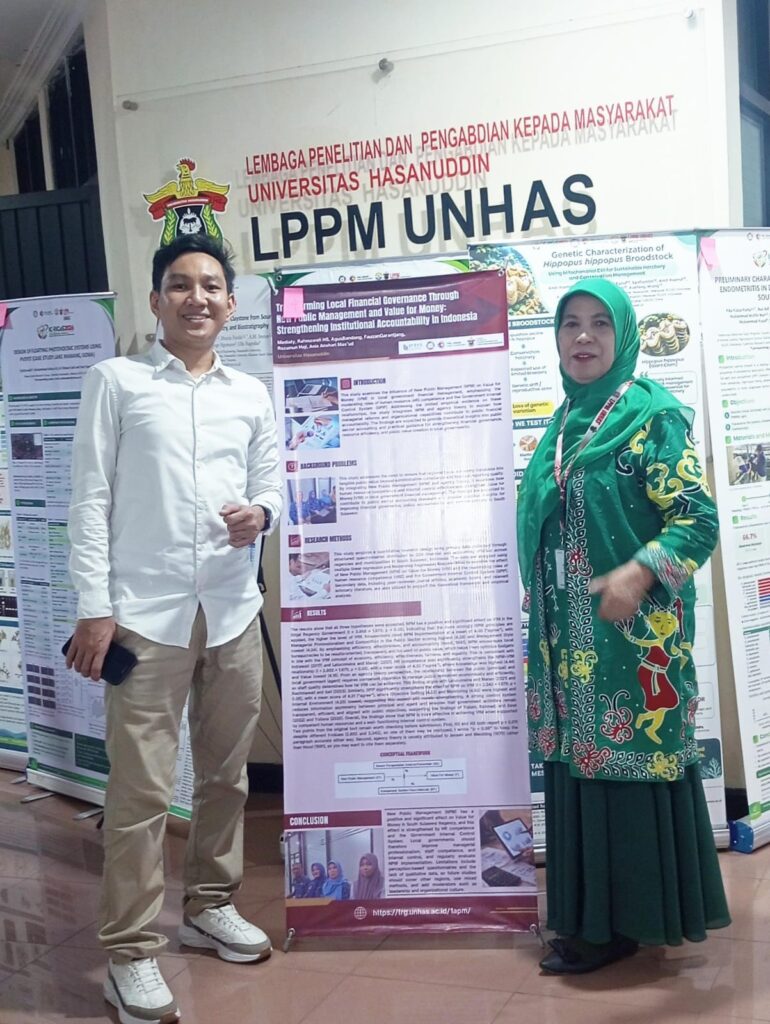
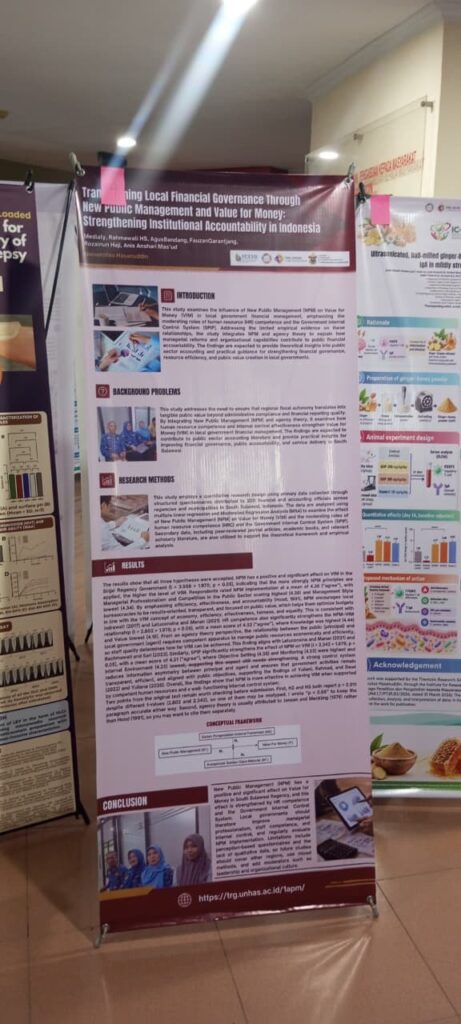
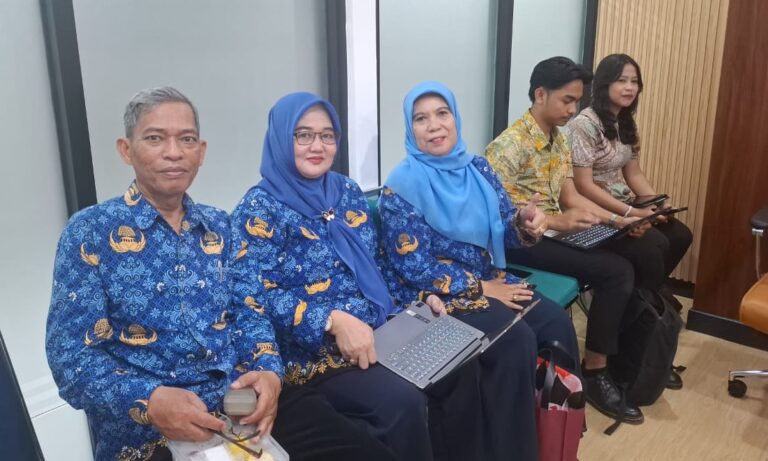
During the poster session, participants held lively discussions with the research team. Questions focused on how performance indicators can be applied in regional budgets, the role of internal control systems in preventing misuse of funds, and the challenges of building an accountability culture within bureaucracies. These exchanges reflected the multidisciplinary spirit of IC-RICoS 2026, where insights from economics, accounting, public policy, and social science meet.
The research is closely linked to the Sustainable Development Goals (SDGs). It supports SDG 1: No Poverty, because well-governed local finances help ensure that budgets for health, education, and social protection reach the communities that need them most, instead of being lost to waste or inefficiency. By sharing research findings with students, lecturers, and the wider academic community, the activity also contributes to SDG 4: Quality Education, enriching learning and strengthening research capacity in public sector governance. Finally, the conference embodies SDG 17: Partnerships for the Goals, encouraging collaboration among universities, government, and society to create solutions for sustainable development together.
The team emphasized that accountable local governance is not only a technical matter of bookkeeping but also a foundation of public trust. When citizens can see how public money is planned, spent, and evaluated, they are more likely to take part in development and hold leaders to account.
Participation in IC-RICoS 2026 reaffirms Hasanuddin University’s commitment to producing research that is relevant to society and policy. Through forums like this, the TRG hopes its findings will inspire local governments across Indonesia to adopt more efficient, transparent, and outcome-oriented financial management, paving the way for more resilient futures.
Contact:
Mediaty
+6285242070144
mediaty@unhas.ac.id