
Makassar, Indonesia February 5 2026/APHREG. A fish can look healthy from the outside while carrying an unwelcome passenger. In freshwater ponds, one tiny parasite can attach to a fish, feed on its tissues and fluids, and potentially weaken the animal. One such parasite is Argulus foliaceus, commonly known as a fish louse.
For carp farmers, this is more than a biological curiosity. Parasites can reduce fish health, increase stress, and contribute to economic losses when infections become severe. Understanding which parasites are present—and which fish are most vulnerable—is therefore an important part of protecting aquaculture production.
A recent study entitled “Argulus foliaceus (Crustacea: Branchiura) infestation in common carp (Cyprinus carpio) from South Sulawesi, Indonesia” investigated this problem in a freshwater hatchery in South Sulawesi. The article was published in Veterinaria Italiana, Volume 62, Issue 1, on 5-Feb-26, and was published by the Istituto Zooprofilattico Sperimentale dell’Abruzzo e del Molise “G. Caporale.” The study is available through the journal’s official publication platform.
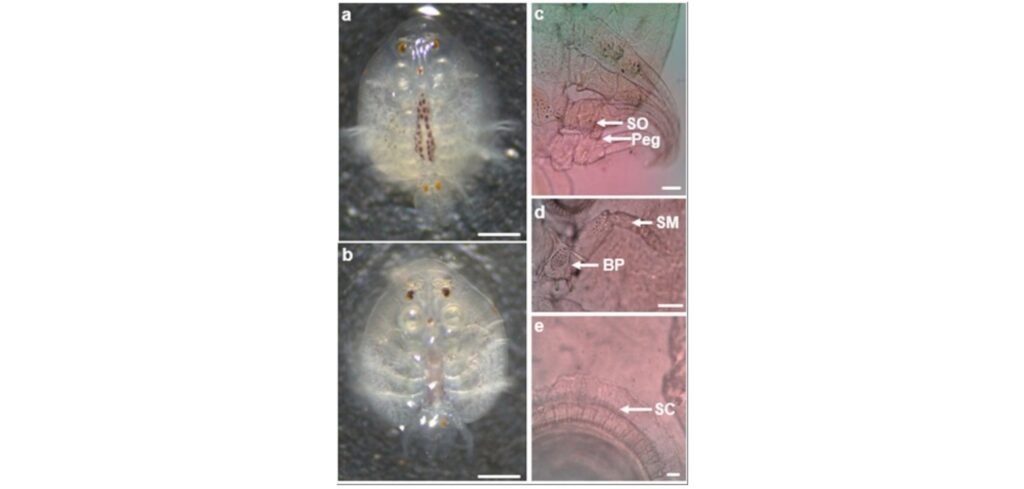
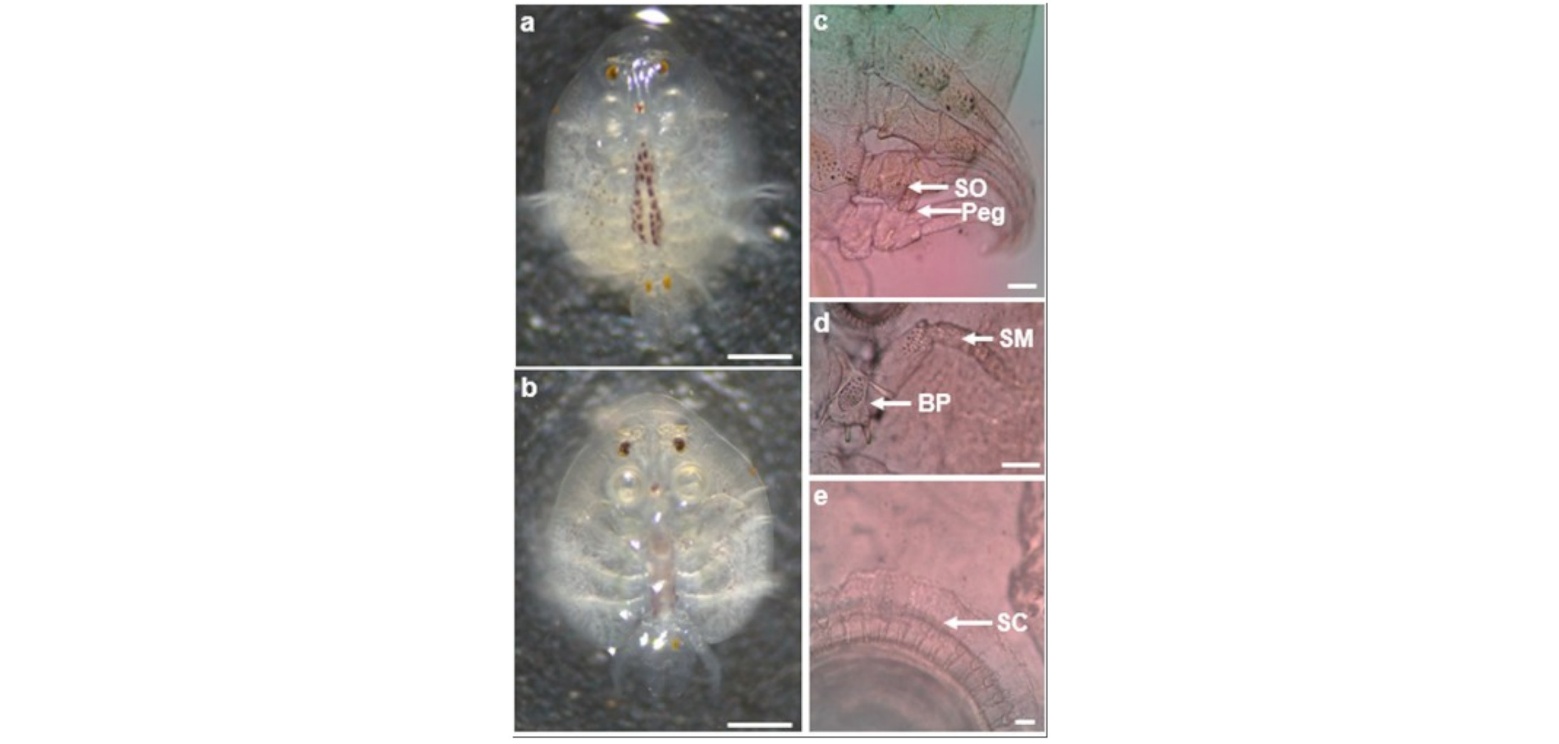
The researchers examined 210 common carp: 60 broodstock and 150 fingerlings. They used both traditional morphological examination and molecular analysis to identify the parasite. Both approaches confirmed the same species: Argulus foliaceus.
The results revealed a striking difference between large adult fish and young fish.
Broodstock consistently had higher levels of infestation than fingerlings. In March and April, for example, 100% of the examined broodstock were infected, while infection among fingerlings was 48% and 36%, respectively. During May and June, no parasites were detected in the fingerlings, while some broodstock remained infected.
The researchers also found a significant positive relationship between fish body weight and parasite intensity. The correlation coefficient was r = 0.625, meaning that heavier fish tended to carry more A. foliaceus. The heaviest fish examined, weighing 1,522 grams, carried the greatest number of parasites.
Interestingly, the parasite did not attach randomly. In broodstock, the base of the pectoral fins was the most frequently colonized area, whereas in fingerlings the parasite was found mainly on the body surface. No A. foliaceus was detected on the gills.
Why does this matter? Knowing which fish and body areas are most affected can help farmers monitor their ponds more effectively and recognize infections before they become a larger problem.
This research directly supports Sustainable Development Goal (SDG) 14: Life Below Water. Although carp are freshwater fish, sustainable aquatic production depends on maintaining healthy aquatic animals and responsible management of aquatic ecosystems. Better parasite surveillance can contribute to healthier fish populations and more resilient aquaculture systems.
The lesson is simple: small parasites can create big problems—but careful observation, accurate identification, and good pond management can make a big difference.
Reference
DOI: https://doi.org/10.12834/VetIt.3896.38684.2
Contact:
Drh. Dwi Kesuma Sari
+62 852-9927-9988
dwiks73@gmail.com