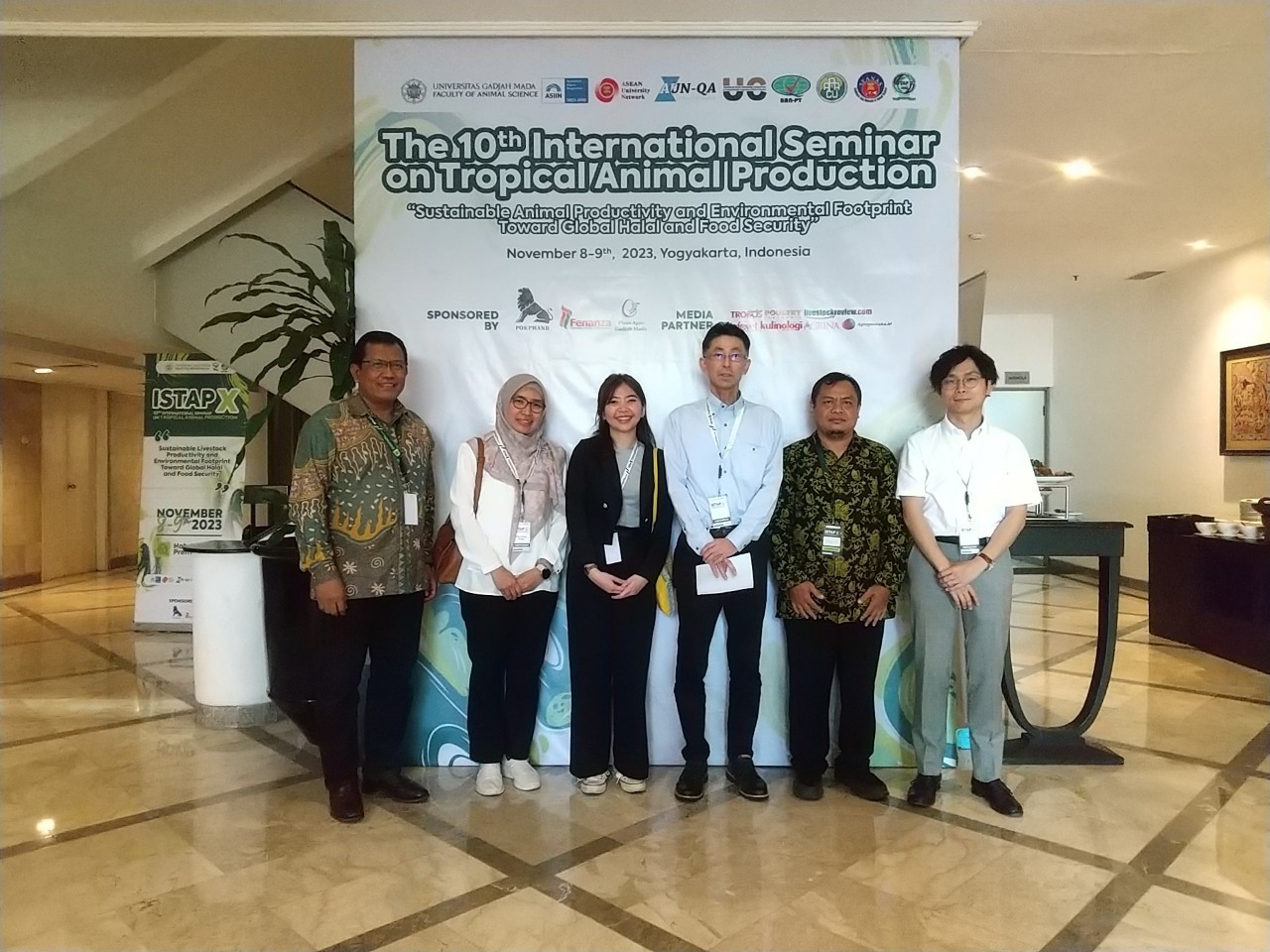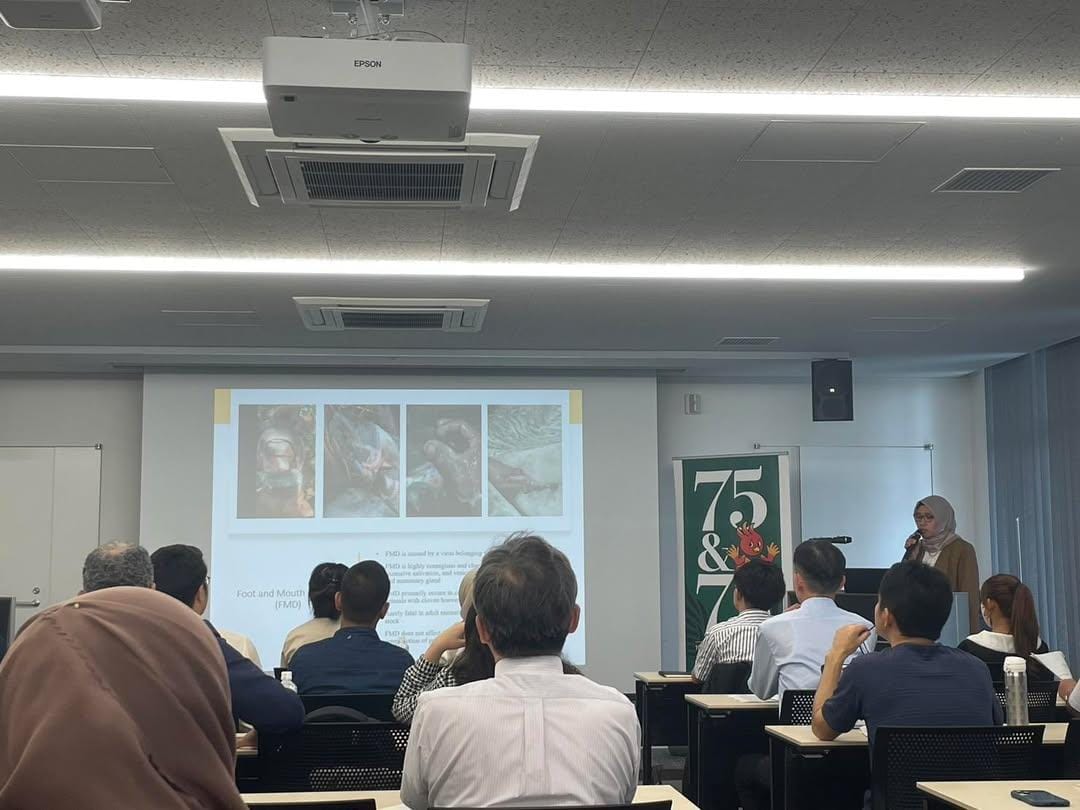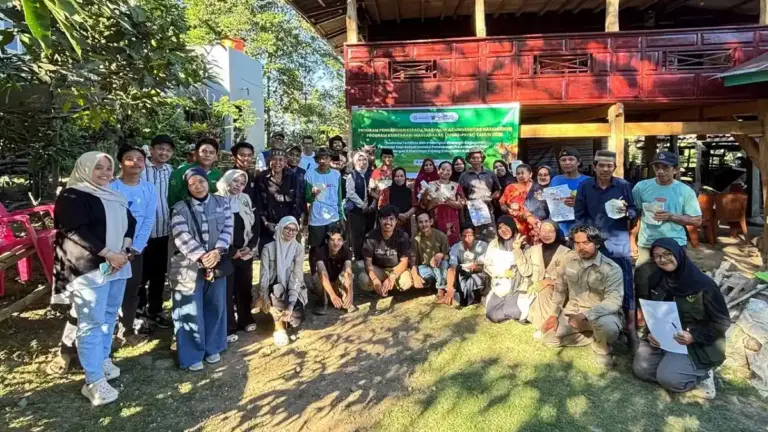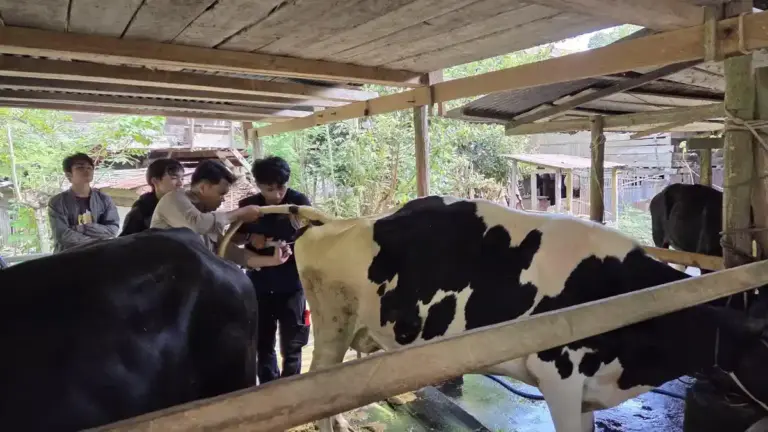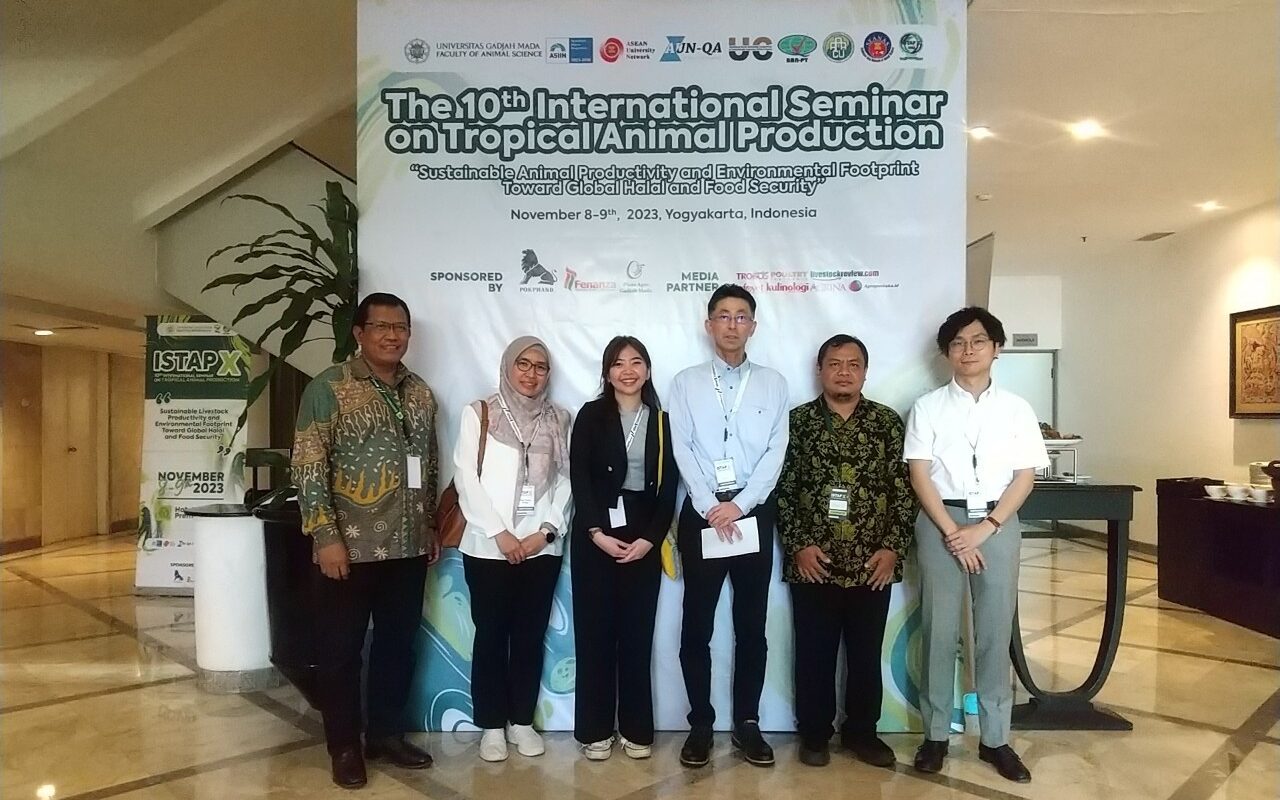

Yogyakarta, November 9th 2023. Collaborative research in animal production and health is increasingly important in addressing the complex challenges facing livestock systems. As animal agriculture continues to support food security, rural livelihoods, and economic development, sustainable solutions require knowledge that extends beyond a single scientific discipline. Bringing together veterinarians, animal scientists, researchers, environmental experts, policymakers, universities, research institutions, and industry partners creates opportunities to develop evidence-based strategies that benefit animals, farmers, consumers, and the environment.
Through interdisciplinary collaboration, researchers can approach livestock challenges from multiple perspectives. Veterinarians contribute expertise in disease diagnosis, prevention, treatment, and animal welfare, while animal scientists provide knowledge of nutrition, reproduction, breeding, genetics, and production management. Environmental scientists can assess the relationship between livestock production and ecosystems, while policymakers help translate scientific findings into practical programs and regulations. By connecting these areas of expertise, collaborative research can produce solutions that are more comprehensive, applicable, and sustainable.
One important area of collaboration is disease surveillance and control through the One Health approach. Many infectious diseases can move between animals, humans, and the environment, making them difficult to address through isolated interventions. Collaborative research enables experts from different sectors to share data, identify disease risks, improve surveillance systems, and develop prevention strategies. Such efforts are particularly important for zoonotic diseases, antimicrobial resistance, and emerging animal health threats that may have consequences for public health and food security.
Collaborative research also plays a significant role in improving livestock productivity through breeding and genetic research. Joint studies can identify desirable traits such as reproductive efficiency, disease resistance, adaptability, and production performance in local livestock populations. Combining genetic expertise with reproductive technologies and field-based knowledge can support the development of healthier and more productive animals while maintaining valuable local genetic resources.
These efforts contribute to several Sustainable Development Goals (SDGs). SDG 1: No Poverty is supported by improving livestock productivity, reducing disease-related losses, and strengthening the livelihoods of farming communities that depend on animal production. SDG 3: Good Health and Well-being is advanced through disease prevention, zoonotic disease surveillance, food safety, and the promotion of healthier livestock systems. Collaborative research also supports SDG 4: Quality Education by creating opportunities for students, lecturers, researchers, and practitioners to exchange knowledge, develop scientific skills, and participate in research-based learning.
Furthermore, sustainable livestock management contributes to SDG 15: Life on Land by promoting the responsible use and conservation of animal genetic resources and encouraging production systems that are compatible with healthy terrestrial ecosystems. Most importantly, interdisciplinary and international research networks directly advance SDG 17: Partnerships for the Goals, emphasizing that complex agricultural and health challenges are best addressed through cooperation rather than isolated efforts.
Ultimately, collaborative research in animal production and health is more than a scientific activity. It is a platform for connecting knowledge, institutions, and communities to create practical innovations. By strengthening partnerships and integrating diverse perspectives, research can help build livestock systems that are more productive, resilient, healthy, and sustainable—supporting the well-being of animals, farmers, consumers, and future generations.