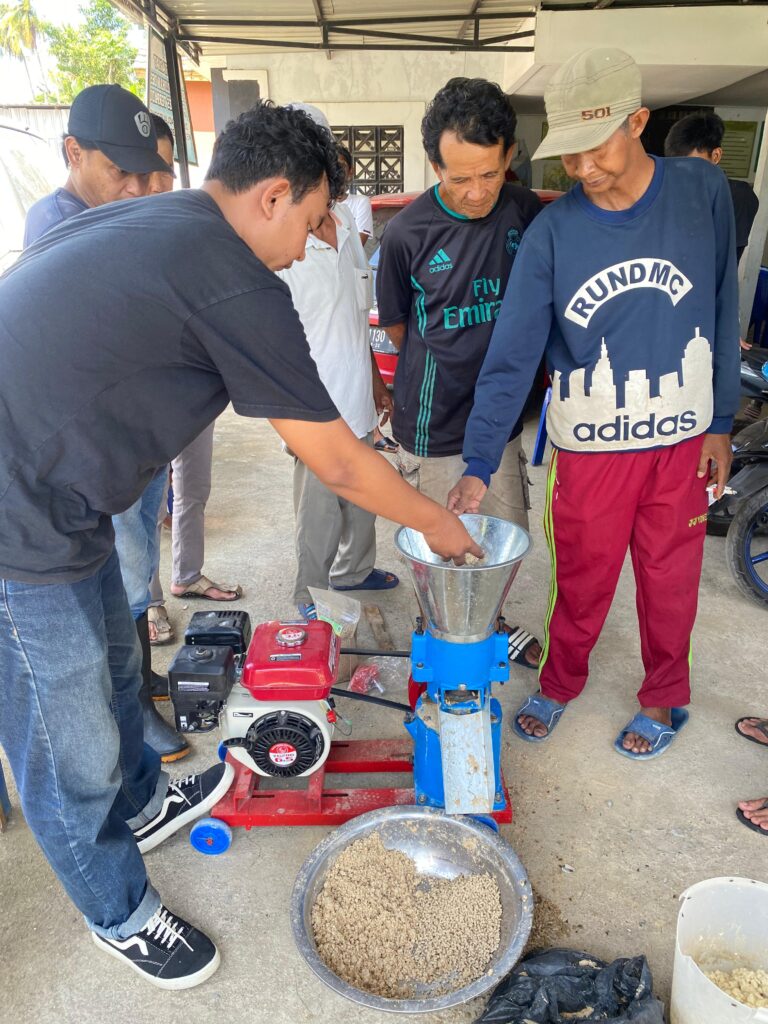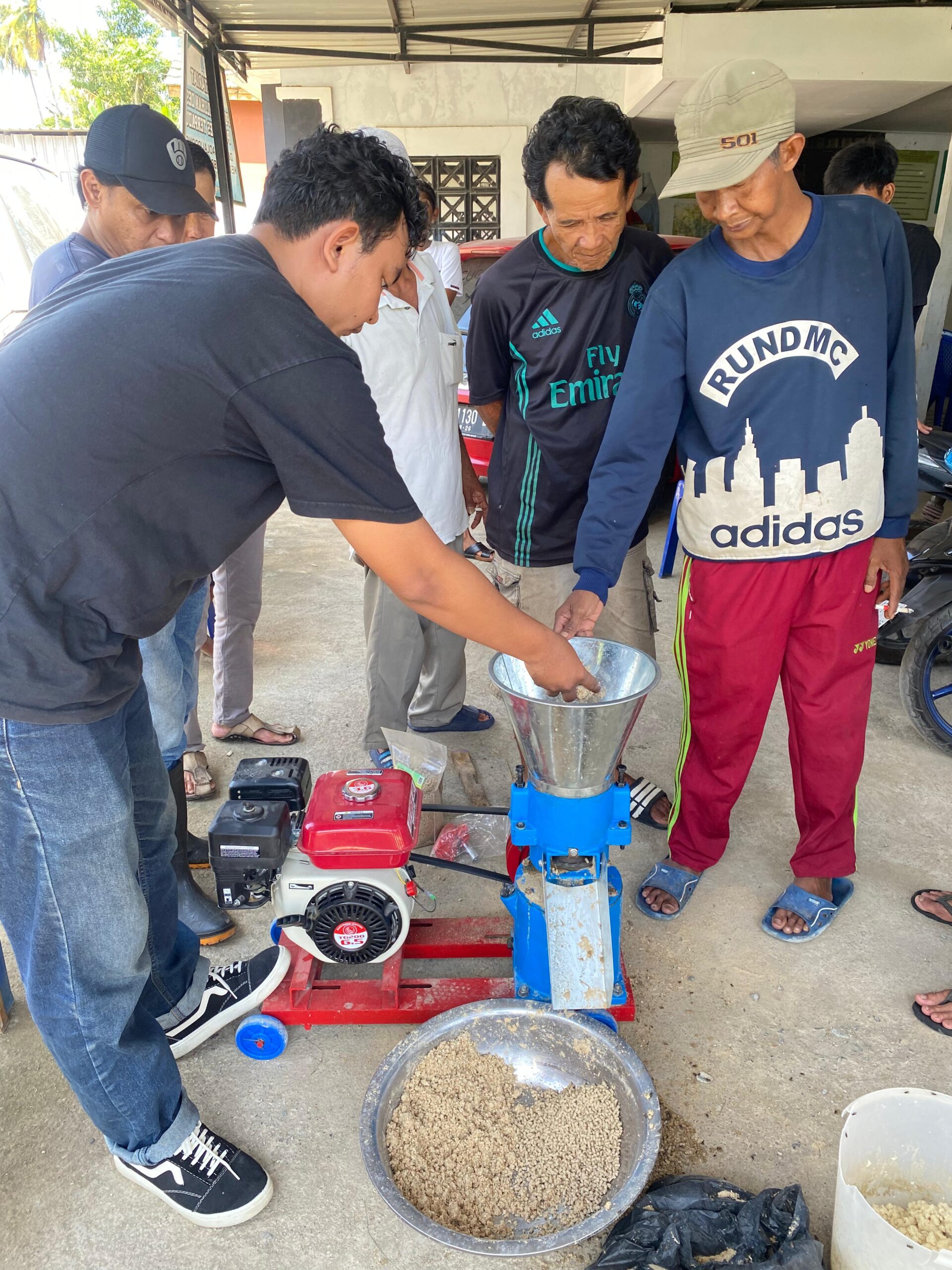

A community engagement activity titled “Socialization and Assistance of Appropriate Technology in Bone Regency” was successfully conducted in Selli Village, Bengo Subdistrict, Bone Regency. This initiative aimed to enhance the productivity of local livestock farmers through the introduction and application of appropriate, accessible, and sustainable technologies. A total of 25 participants, consisting of local farmers and community representatives, actively took part in this program.
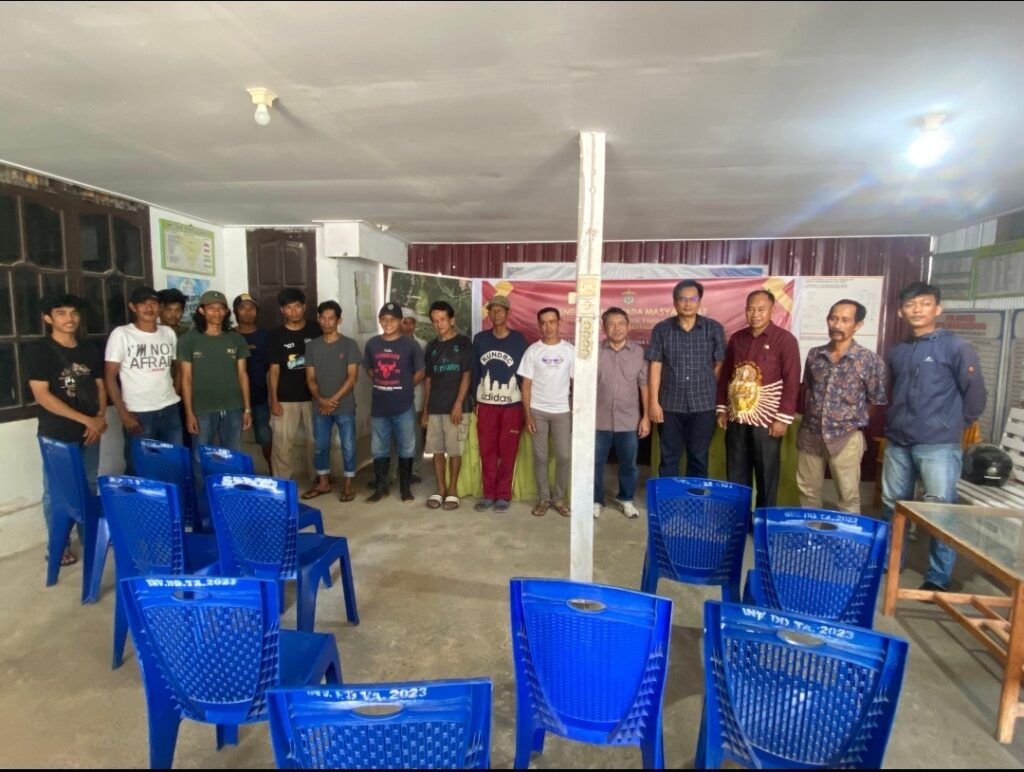
The activity was designed as a participatory learning platform, combining theoretical socialization sessions with practical demonstrations. Participants were introduced to simple yet effective technological solutions tailored to their local context, including improved feed processing techniques, livestock waste management, and basic mechanization tools to support daily farming operations. The approach emphasized not only knowledge transfer but also capacity building, ensuring that participants could independently adopt and adapt the introduced technologies.
This program directly contributes to several Sustainable Development Goals (SDGs), particularly SDG 1: No Poverty, SDG 4: Quality Education, and SDG 17: Partnerships for the Goals. By improving livestock productivity, farmers are expected to increase their income levels, thereby supporting poverty reduction efforts (SDG 1). Furthermore, the educational component of the activity—through training, discussions, and hands-on practice—aligns with SDG 4 by promoting inclusive and equitable quality education for rural communities. The collaborative nature of the program, involving facilitators, local stakeholders, and the farming community, reflects the spirit of SDG 17, which emphasizes the importance of partnerships in achieving sustainable development.
In addition, the activity indirectly supports SDG 3: Good Health and Well-being by promoting better livestock management practices that contribute to safer and healthier food production. Environmentally friendly practices introduced during the program also align with SDG 15: Life on Land, as they encourage sustainable use of terrestrial ecosystems and responsible waste management. While not directly focused on marine ecosystems, awareness of environmental sustainability contributes broadly to the principles of SDG 14: Life Below Water, particularly in reducing land-based pollution that may impact aquatic environments.
The enthusiasm and active participation of the attendees highlighted the relevance and urgency of such initiatives in rural areas. Many participants expressed their interest in implementing the demonstrated technologies and requested follow-up assistance to ensure sustainability. This indicates that community-based, technology-driven interventions can serve as effective tools for rural development when delivered in an inclusive and context-sensitive manner.
In conclusion, this activity represents a strategic effort to bridge the gap between technology and traditional farming practices. By empowering local farmers with practical knowledge and tools, it not only improves productivity but also strengthens community resilience and sustainability. Future programs are expected to build upon this foundation, fostering continuous learning and collaboration to achieve broader development goals.