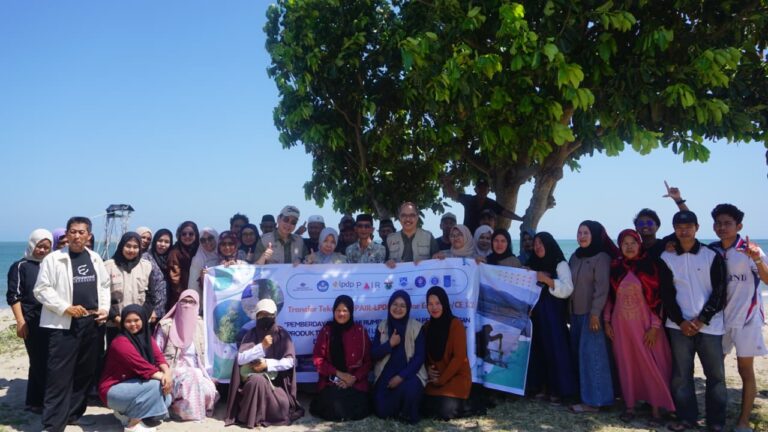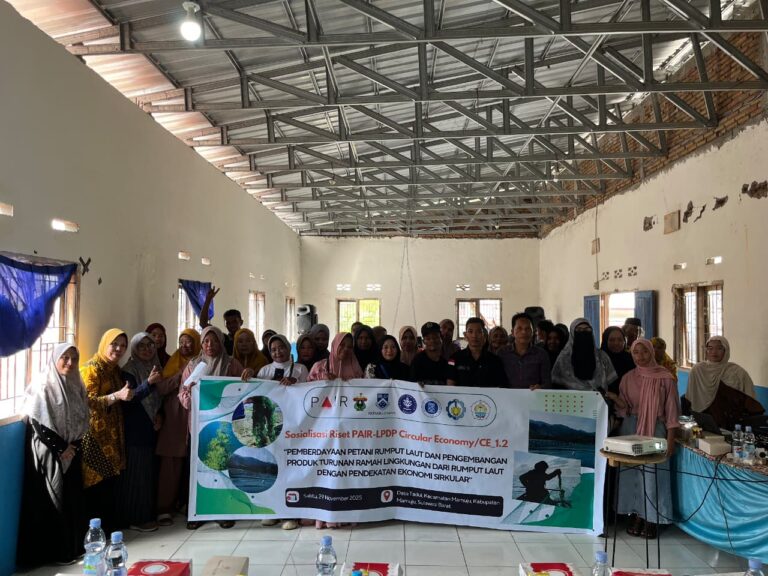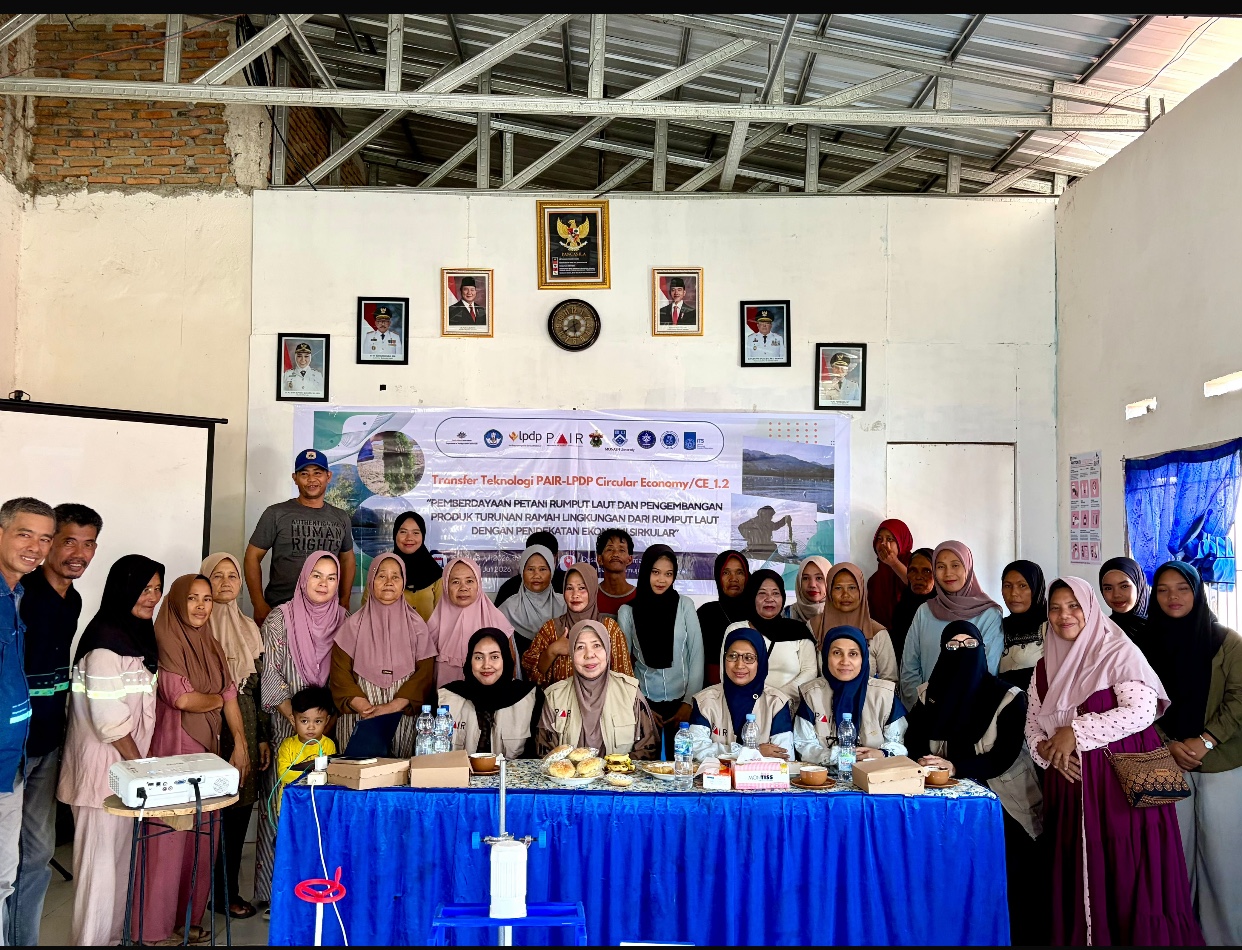

Tadui Village, Mamuju District, Mamuju Regency, West Sulawesi, Indonesia – July 18, 2026
Seaweed has become an important marine resource with considerable potential to support the economic development of coastal communities in Indonesia. Recognizing this opportunity, a research and community service program entitled “Empowering Seaweed Farmers and Developing Environmentally Friendly Derivative Products of Seaweed with a Circular Economy Approach” was conducted on Saturday, July 18, 2026, in Tadui Village, Mamuju District, Mamuju Regency, West Sulawesi. The activity brought together 25 participants, particularly to strengthen community awareness of the economic and environmental potential of seaweed through innovation and sustainable utilization.
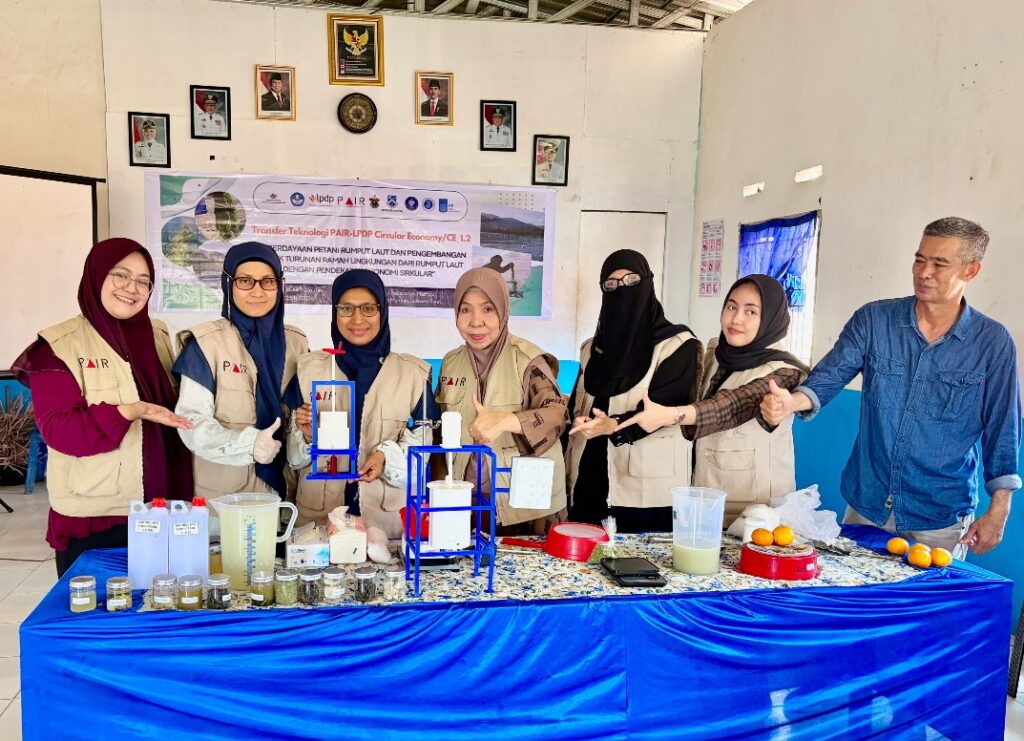
The program was initiated to encourage a broader perspective on seaweed cultivation and its contribution to local economic development. Traditionally, seaweed farmers have focused primarily on cultivating and selling harvested seaweed as a raw commodity. However, seaweed offers opportunities beyond primary production. Its natural composition makes it a valuable raw material for various derivative products, including food ingredients, agricultural materials, cosmetics, and other commercial applications. Developing these products can increase the added value of seaweed while creating opportunities for small-scale businesses within coastal communities.
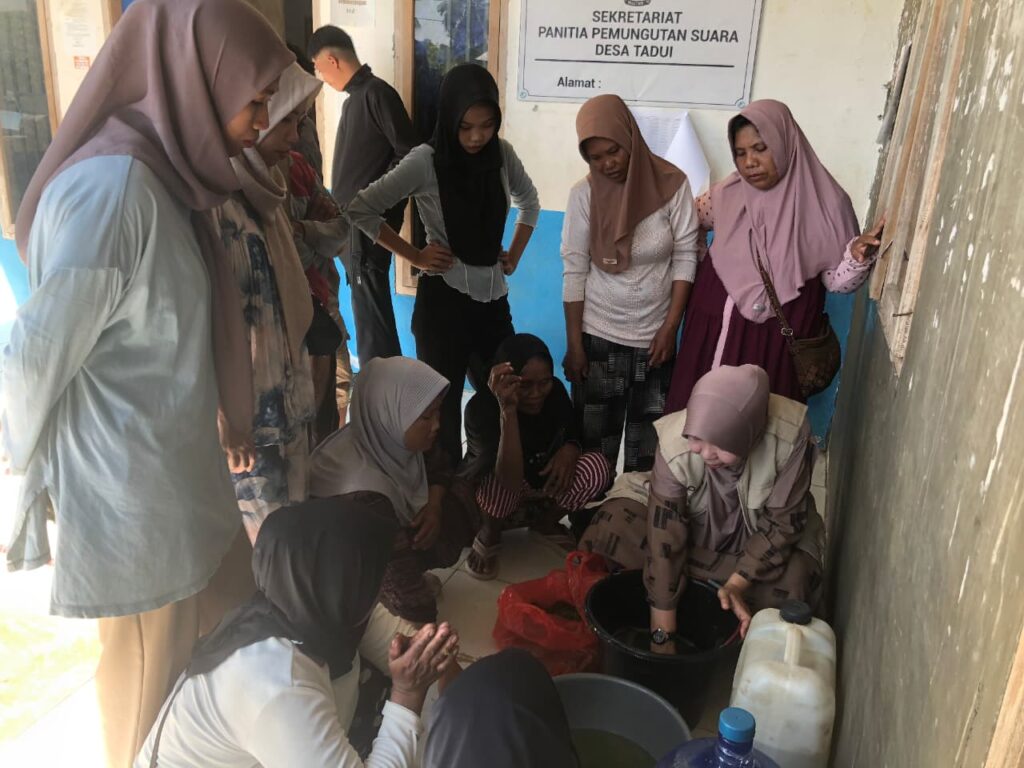
A central theme of this initiative was the introduction of circular economy principles as an alternative approach to managing marine-based resources. The circular economy emphasizes efficient resource utilization, waste reduction, and the transformation of materials that would otherwise remain underutilized. Applied to seaweed processing, this concept encourages the exploration of ways to maximize raw material utilization and develop useful products from processing residues whenever technically appropriate. This approach can help promote more responsible production practices while supporting environmentally conscious economic activities.
Beyond its technical aspects, the program emphasized the importance of empowering local communities through research-based knowledge and education. Improving farmers’ understanding of product innovation, processing opportunities, and sustainable resource management can help them identify new possibilities for developing their businesses. Community participation is essential in this process because sustainable innovation must respond to local conditions, available resources, and the actual needs of the people involved.
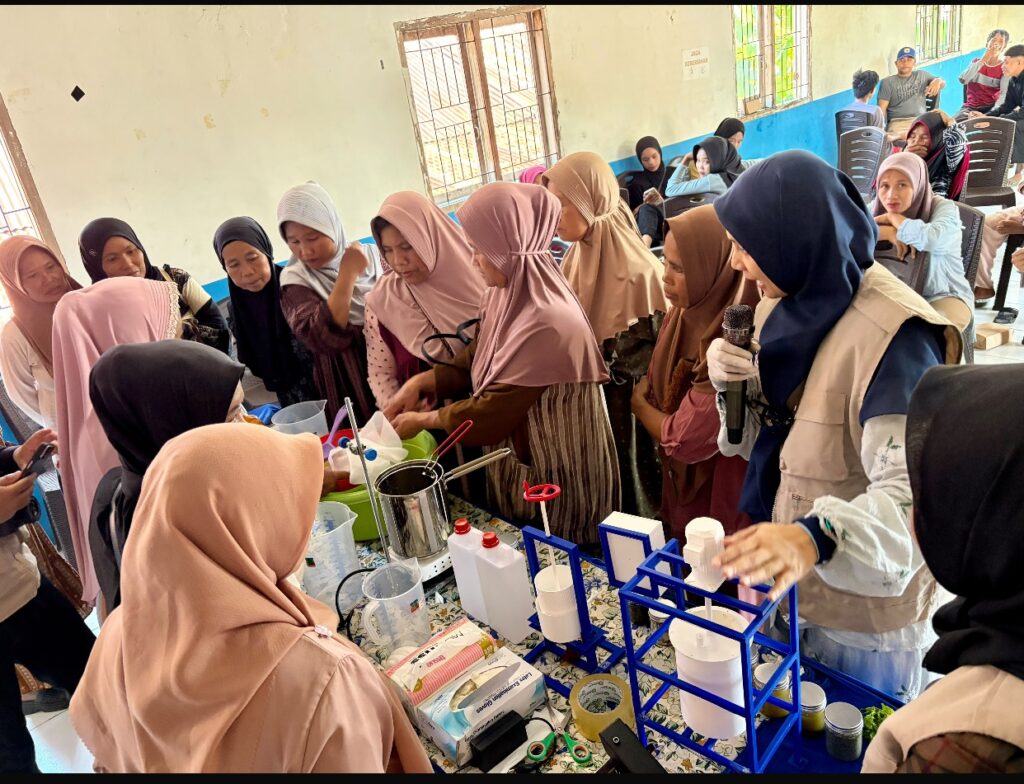
This initiative also contributes to the United Nations Sustainable Development Goals (SDGs). SDG 1: No Poverty is supported by encouraging economic diversification and opportunities to improve the livelihoods of seaweed-farming households. SDG 4: Quality Education is reflected in the sharing of scientific knowledge and the development of community skills. SDG 14: Life Below Water is addressed through the promotion of responsible marine resource utilization and environmental awareness. Meanwhile, SDG 17: Partnerships for the Goals highlights the importance of collaboration between researchers and local communities in developing sustainable solutions.
Ultimately, the activity in Tadui Village represents an effort to transform local marine resource potential into opportunities for sustainable community development. By combining research, education, innovation, and circular economy principles, this initiative seeks to strengthen the role of seaweed farmers as active contributors to a more productive, environmentally responsible, and economically resilient coastal future.