
Tadui Village, Mamuju Regency, West Sulawesi – November 29, 2025
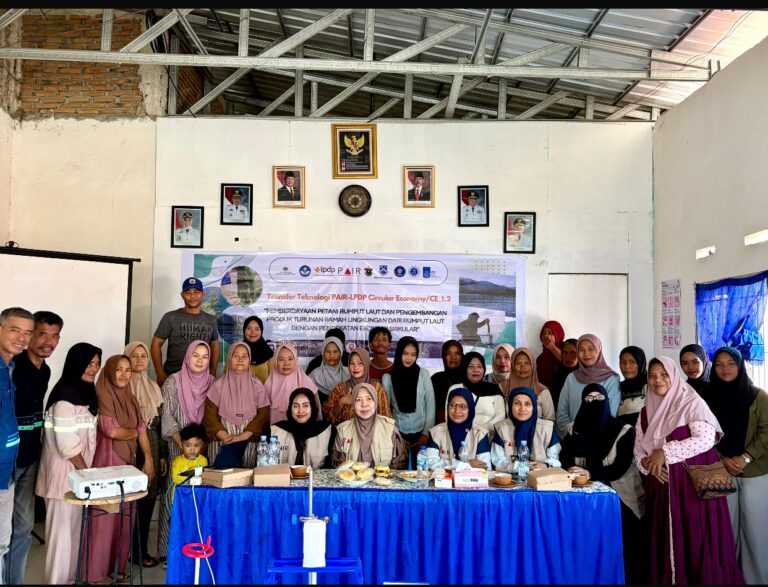
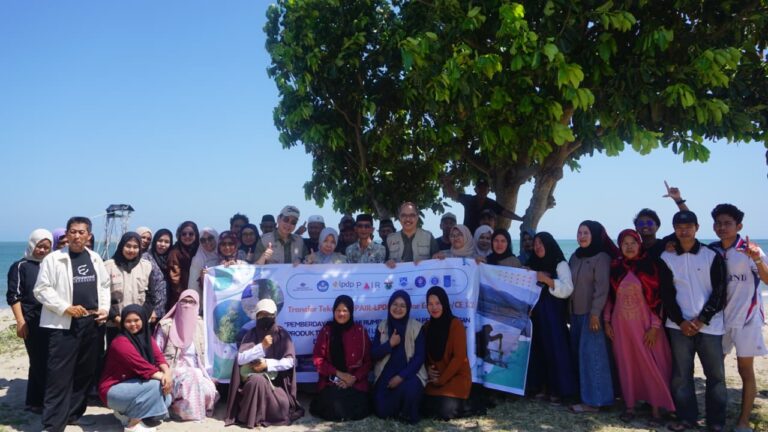
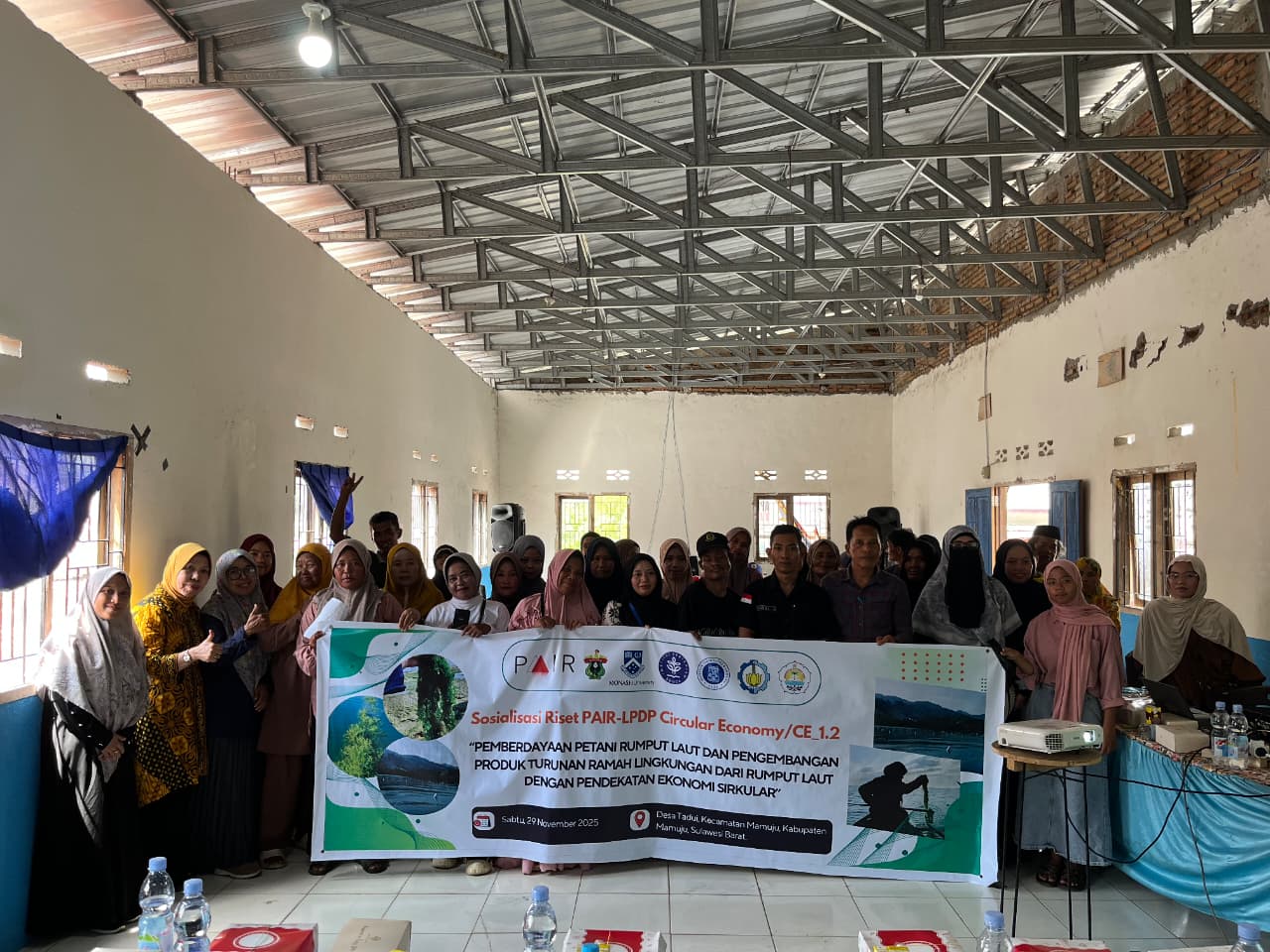
A community service program entitled “Empowering Seaweed Farmers and Developing Environmentally Friendly Derivative Products of Seaweed with a Circular Economy Approach” was conducted on Saturday, November 29, 2025, in Tadui Village, Mamuju District, Mamuju Regency, West Sulawesi. The program involved 25 participants and aimed to strengthen the capacity of local seaweed farmers while promoting the development of environmentally friendly seaweed-based products through a circular economy approach.
Seaweed is one of Indonesia’s valuable marine resources, offering significant opportunities to improve coastal livelihoods and support sustainable economic development. Beyond its role as a primary agricultural commodity, seaweed contains various beneficial compounds that can be utilized as raw materials for a wide range of derivative products. However, maximizing its economic potential requires greater knowledge, innovation, and access to appropriate processing techniques. Therefore, empowering local communities to explore value-added seaweed products is an important step toward improving the competitiveness and economic independence of coastal communities.
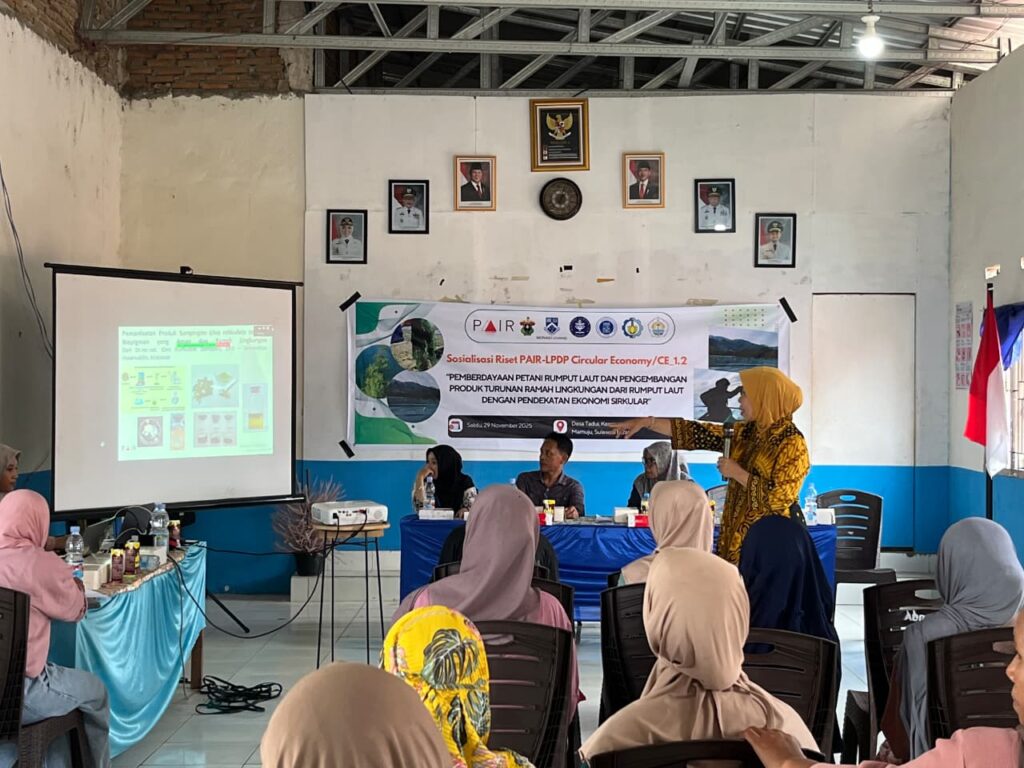
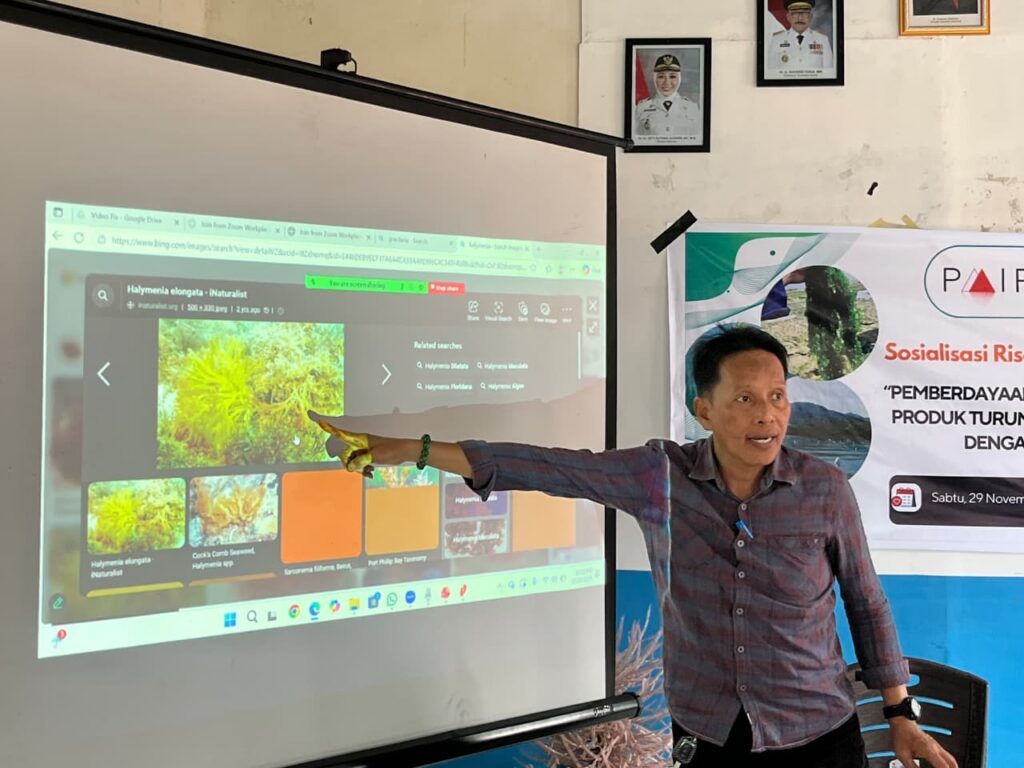
Through this community service initiative, participants were introduced to the importance of optimizing seaweed resources through environmentally responsible utilization. The circular economy approach encourages communities to use available resources more efficiently, minimize waste, and identify opportunities to transform underutilized materials into products with additional economic value. By adopting this concept, seaweed farming can be developed beyond conventional cultivation practices and become part of a more sustainable and diversified local economic system.
The program also highlights the importance of community education and knowledge transfer in supporting sustainable livelihoods. Strengthening farmers’ understanding of resource management, product diversification, and environmentally friendly processing can encourage the development of new business opportunities. In the long term, these efforts are expected to contribute to improved household income, greater community resilience, and responsible utilization of marine resources.
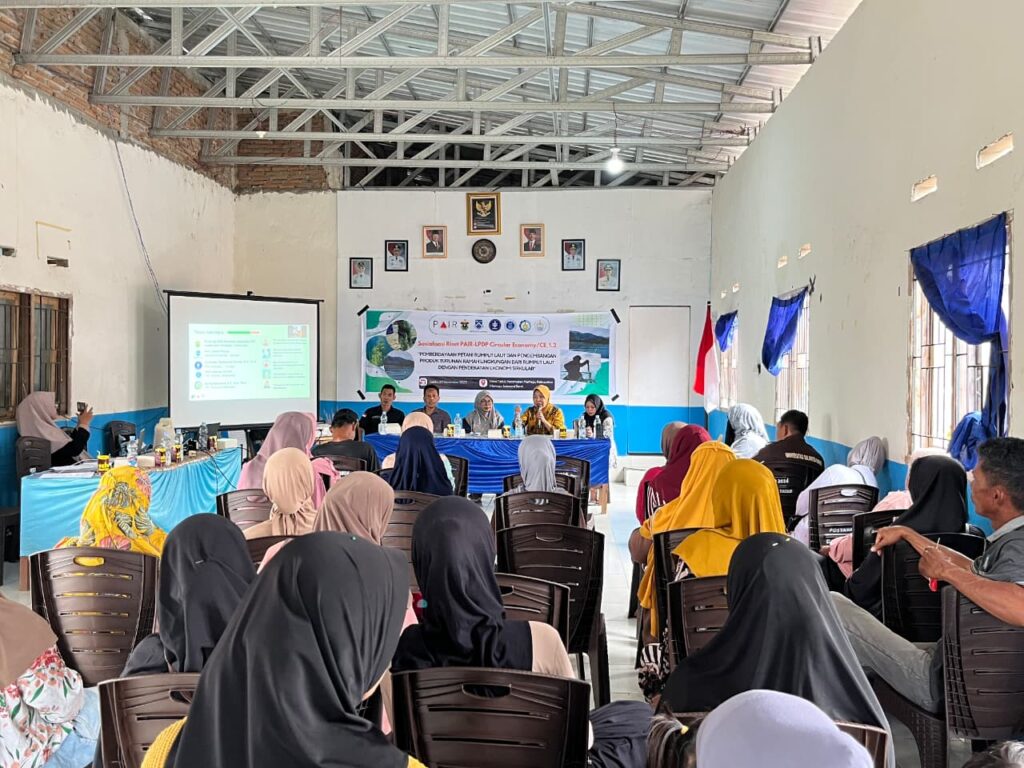
This initiative supports several United Nations Sustainable Development Goals (SDGs). First, SDG 1: No Poverty, through efforts to strengthen the economic potential of seaweed farming communities and encourage opportunities for improved livelihoods. Second, SDG 4: Quality Education, by promoting knowledge sharing, practical learning, and capacity building among local participants. Third, SDG 14: Life Below Water, by encouraging responsible utilization of marine resources and environmentally conscious practices that support the sustainability of coastal ecosystems. Furthermore, SDG 17: Partnerships for the Goals is reflected in the collaborative approach of community service, which brings together knowledge, expertise, and community participation to achieve shared development objectives.
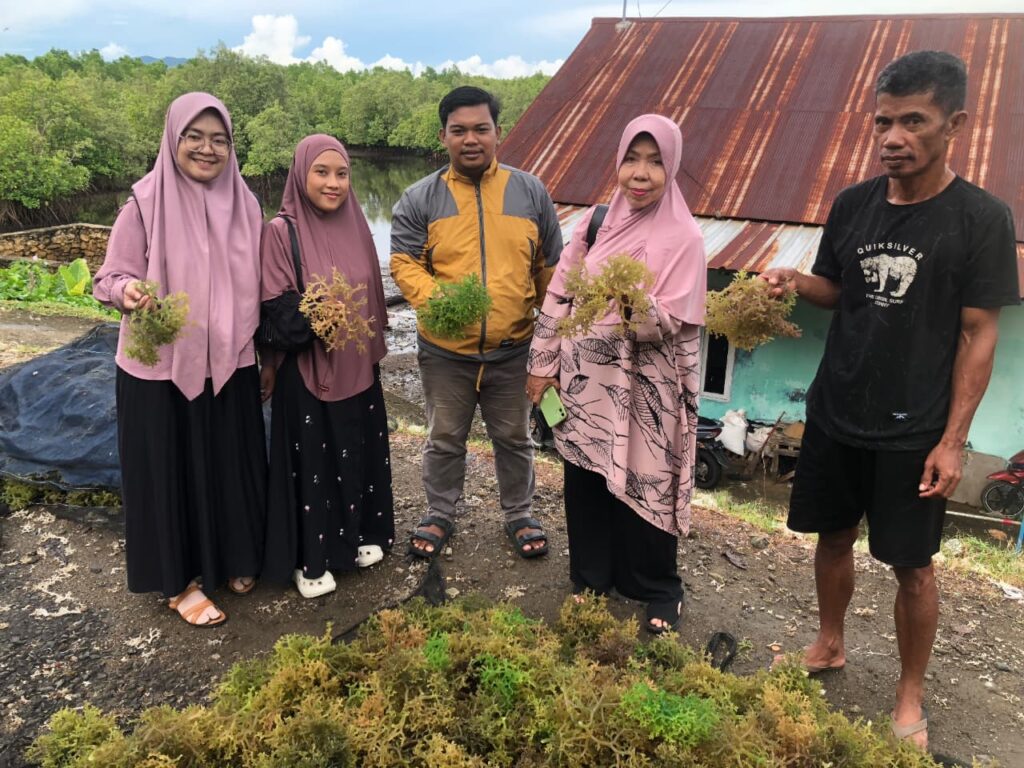
Ultimately, this program represents an important contribution to connecting scientific knowledge with community needs. By empowering seaweed farmers and introducing circular economy principles, the initiative seeks to foster innovation, strengthen local economic opportunities, and promote sustainable marine resource management. More importantly, it demonstrates that the responsible utilization of seaweed can create benefits not only for coastal communities but also for environmental sustainability and future generations.