TOKYO, JAPAN — Stepping beyond the confines of the laboratory, our visiting materials science researcher recently conducted a field observation of urban renewable energy integration, specifically focusing on photovoltaic (PV) applications in Japanese parking lots. The excursion aimed to gather real-world insights into how solar technology is practically deployed in space-constrained environments, directly informing the ongoing development of next-generation solar cells at Hasanuddin University.
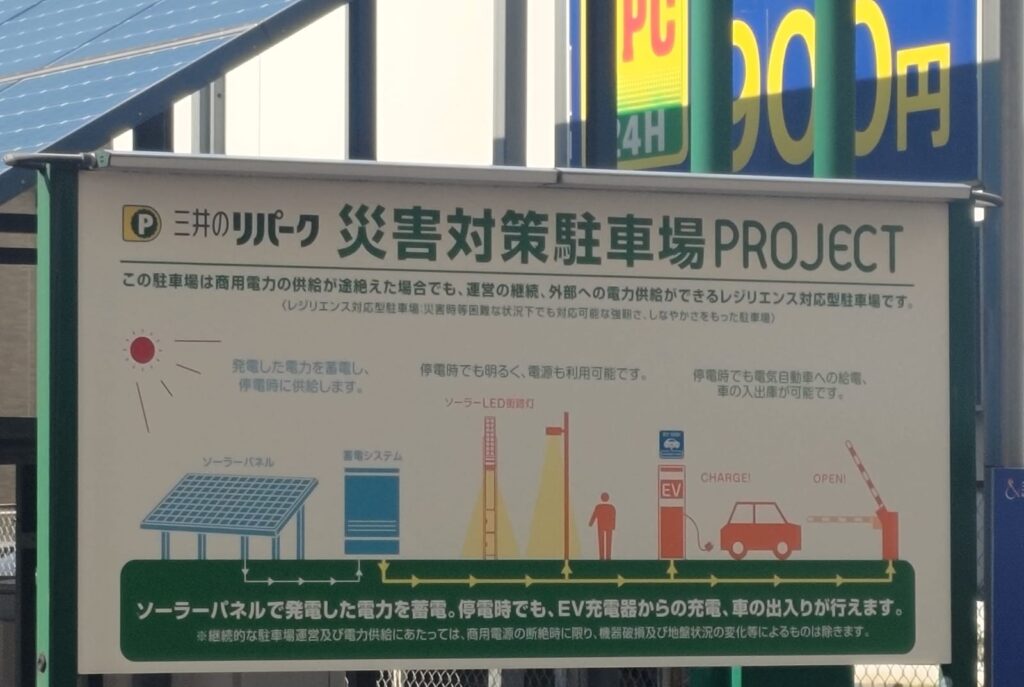
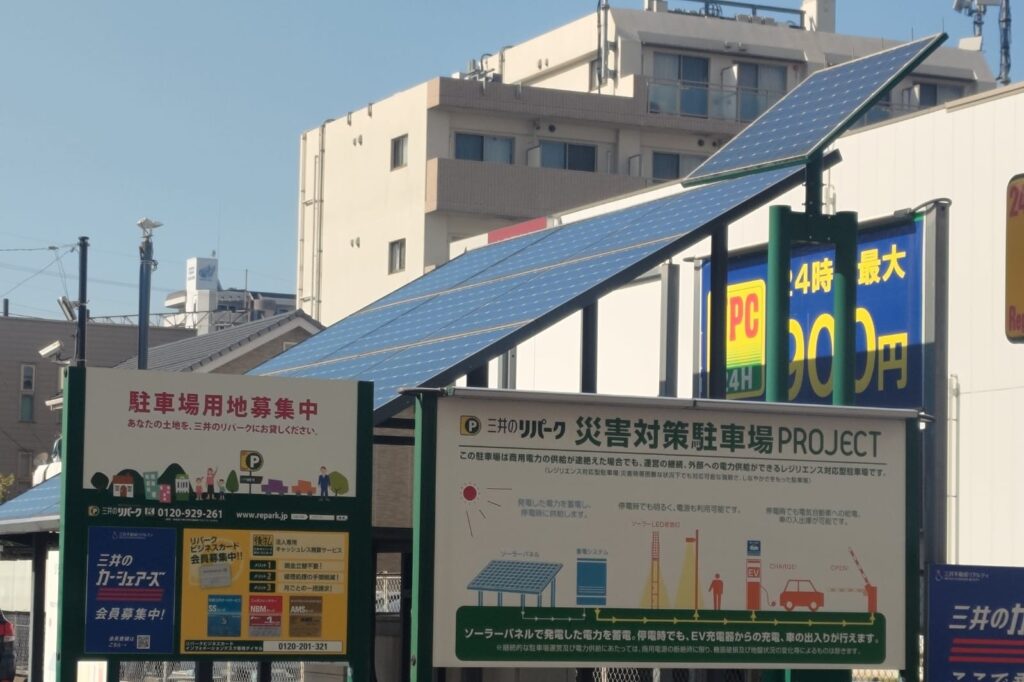
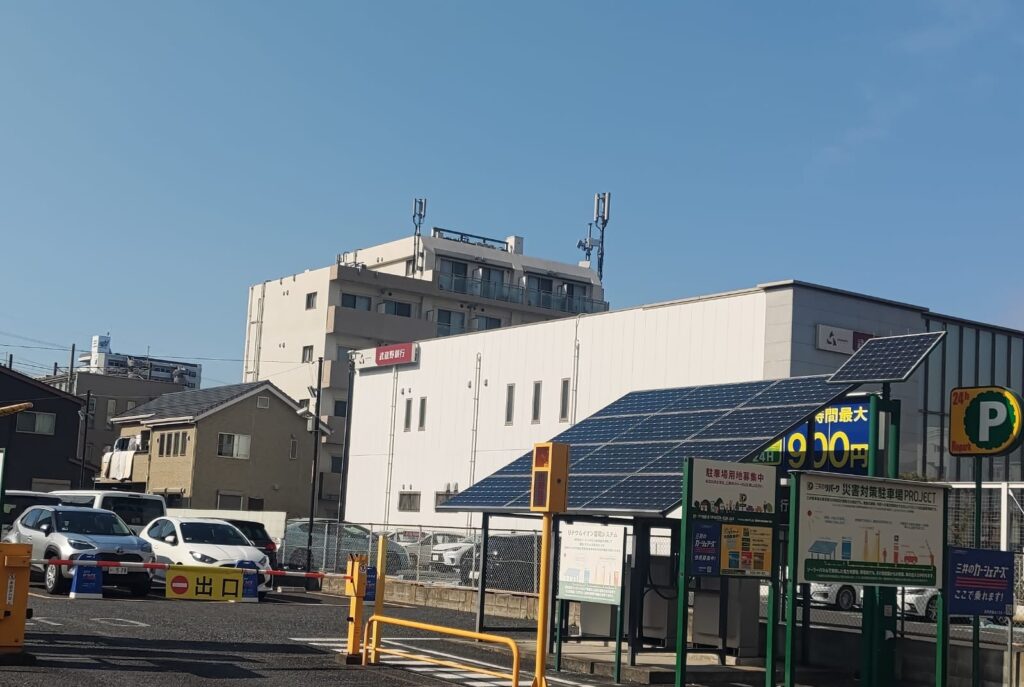
In densely populated countries like Japan, where open, flat land is at a premium, achieving carbon neutrality requires highly creative infrastructure solutions. One rapidly expanding approach is the “solar carport.” During the recent field visit, the researcher documented commercial parking areas that have successfully integrated heavy-duty solar panels into elevated canopy structures.
Recent photographs from the site visit highlight the dual-purpose nature of these installations. It was attended by TRG Leader, Azwar Hayat, Ph.D and International Collaborator Ajay Kumar Baranwal, PhD. The elevated photovoltaic arrays act as a functional roof, generating clean, renewable electricity for the local grid while simultaneously providing essential shade and weather protection for the vehicles parked beneath them.
This field observation highlights a key component of the researcher’s methodology: bridging the gap between theoretical materials science and practical, everyday application. By understanding the structural and environmental demands placed on current urban solar arrays, the research team can better tailor their Solar Cell innovations to meet the realistic needs of tomorrow’s green cities.