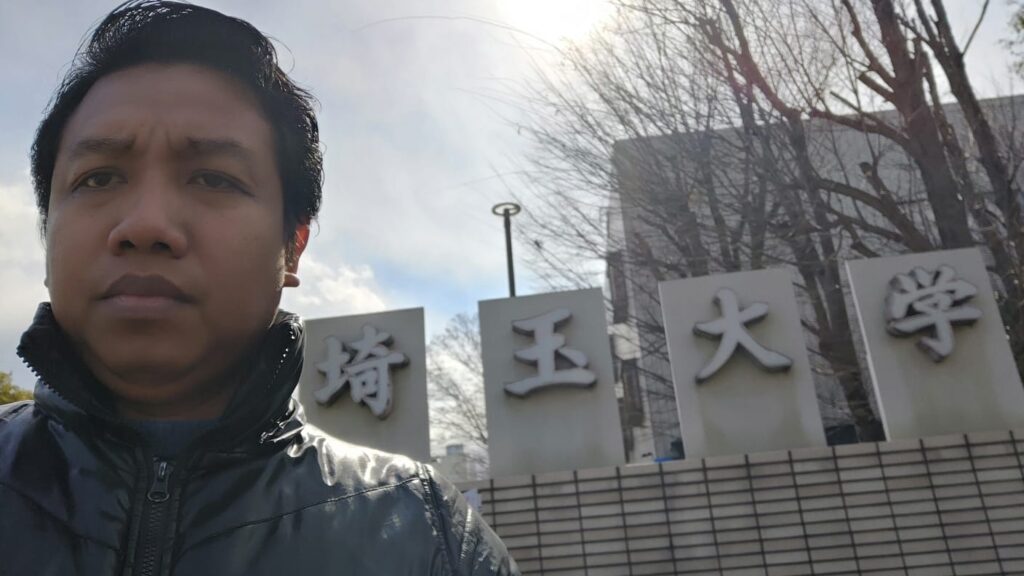
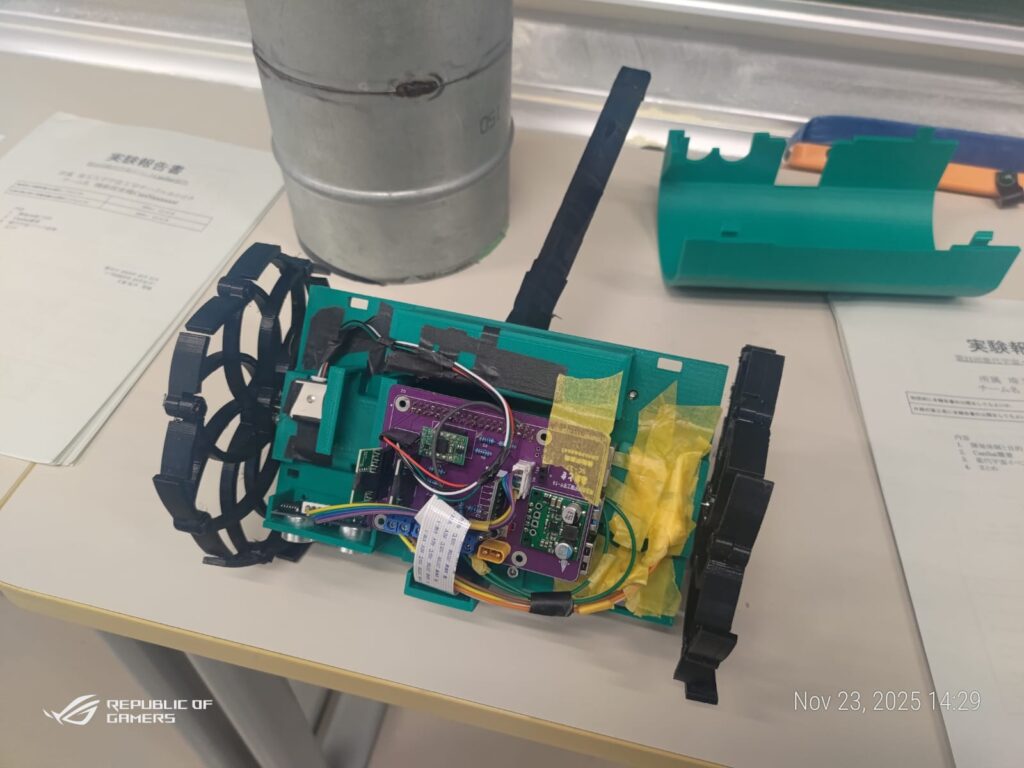
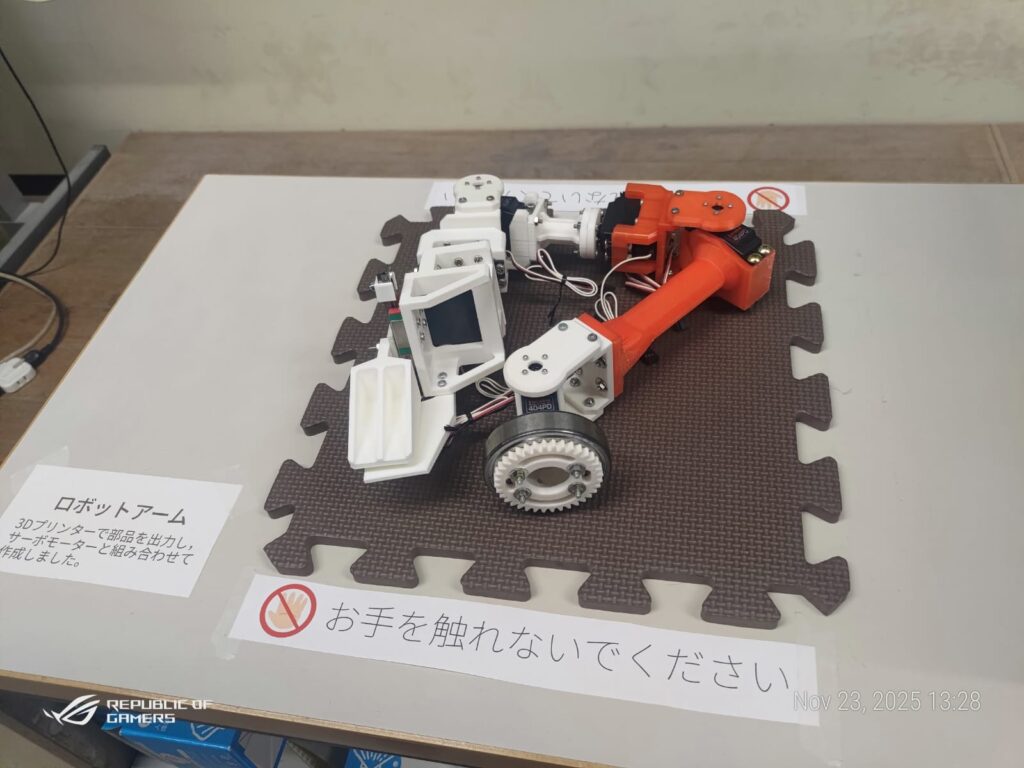
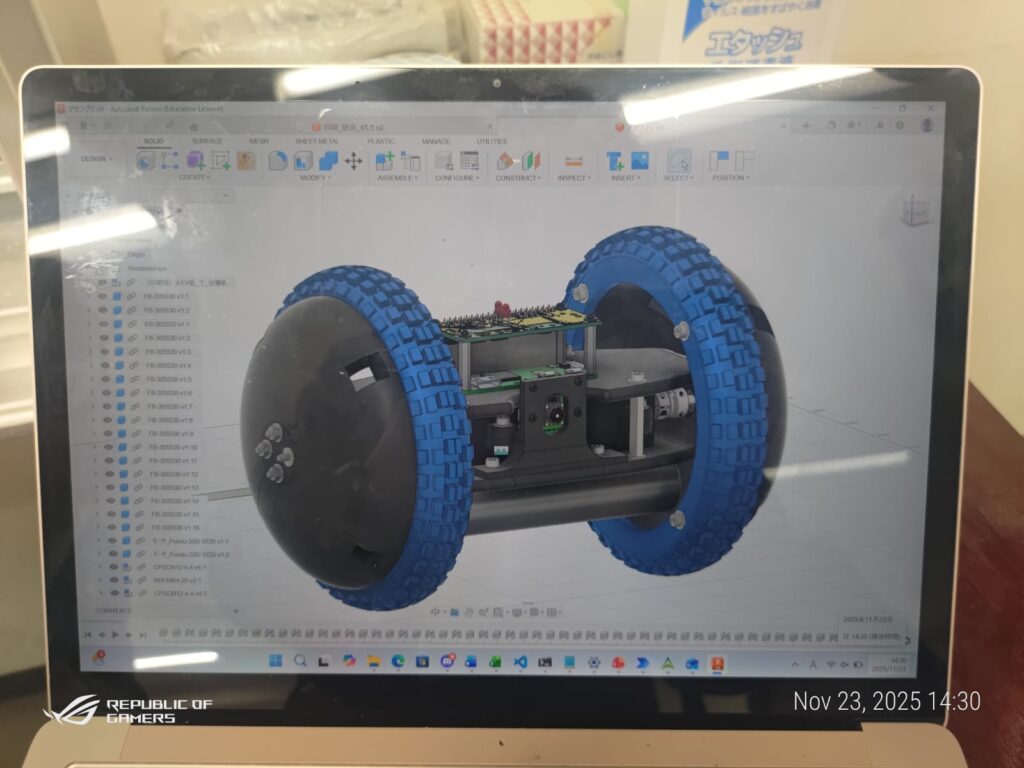
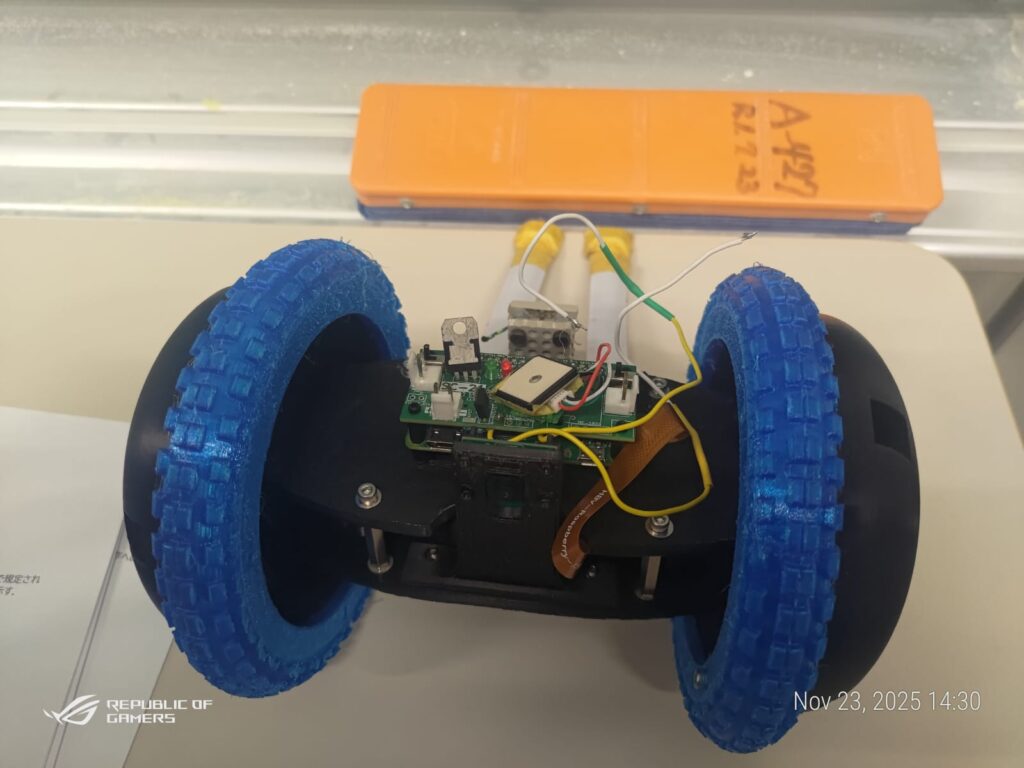
SAITAMA, JAPAN — As part of an ongoing commitment to cross-disciplinary learning and engaging with Japan’s broader academic community, our Team Leader in AFM-RG recently took a brief excursion to attend the Saitama University Open Campus. Open Campus events in Japan are vibrant showcases of a university’s cutting-edge research, educational philosophies, and student life. For a materials scientist deeply invested in the future of renewable energy, attending Saitama University’s open house offered a unique chance to observe different approaches to scientific inquiry, STEM education, and laboratory infrastructure. In an increasingly interconnected world, the path to groundbreaking scientific discovery is rarely walked alone. True technological progress relies heavily on the continuous exchange of ideas, where local innovations are shared and scaled to address global challenges. Recognizing the immense value of cross-border intellectual collaboration, our institution actively participates in international academic outreach. Recently, a significant engagement took place in Japan, aimed at exploring community-driven scientific advancements and fostering deeper institutional ties.
To actively pursue this collaborative vision, a strategic academic visit was organized. The specific details of this vital engagement include the Number of participants: more than 1000 people in 2 days event, alongside the official Date of activity: November 23, 2025. It was attended by TRG Leader, Azwar Hayat, Ph.D and International Collaborator Ajay Kumar Baranwal, PhD. On this day, our team leader attended the highly anticipated Open Campus event at Saitama University. This vibrant academic festival serves as a unique, interactive platform where the university opens its laboratory doors to the broader public, showcasing a diverse array of cutting-edge research, from advanced applied physics to sustainable urban engineering.
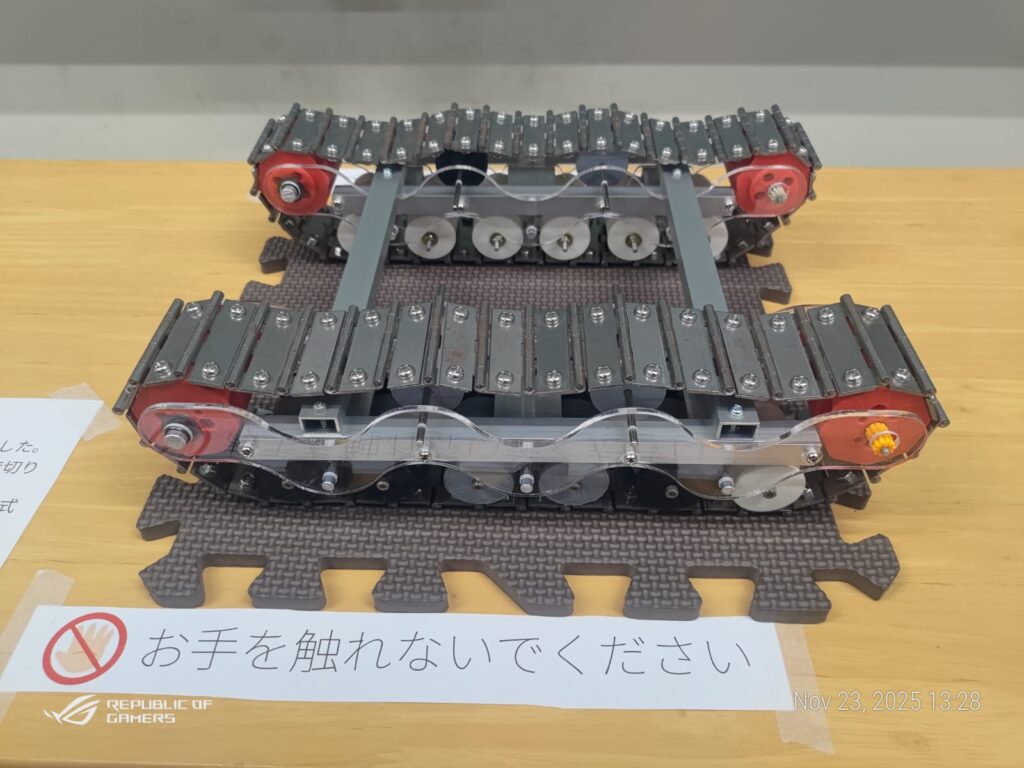
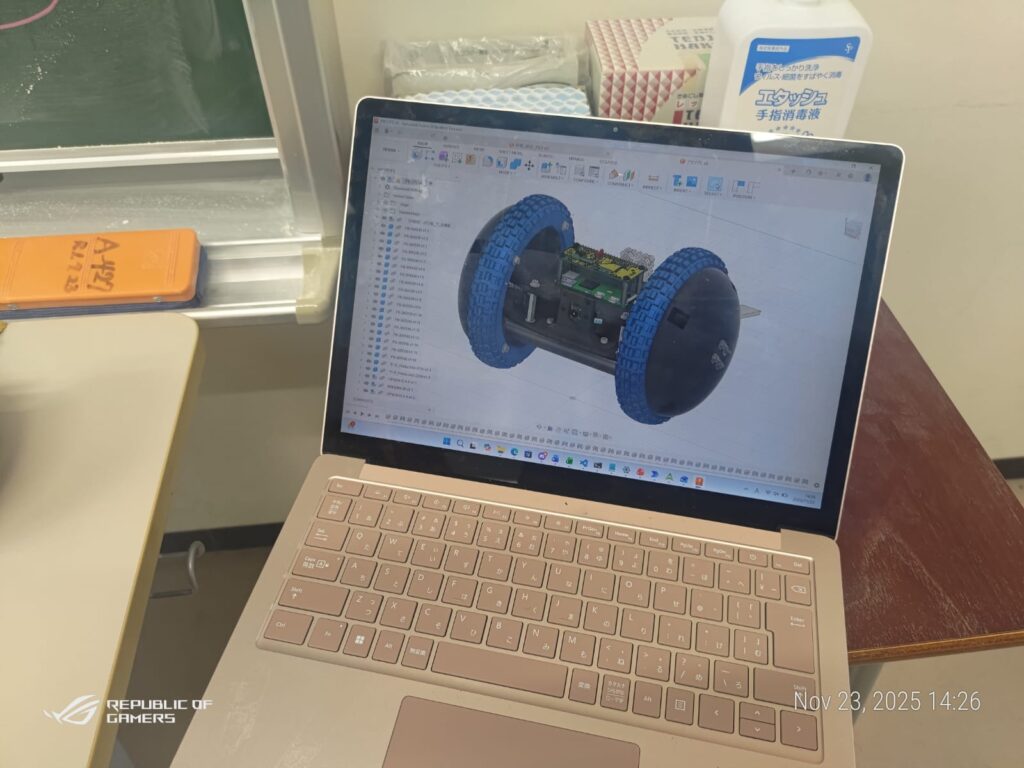
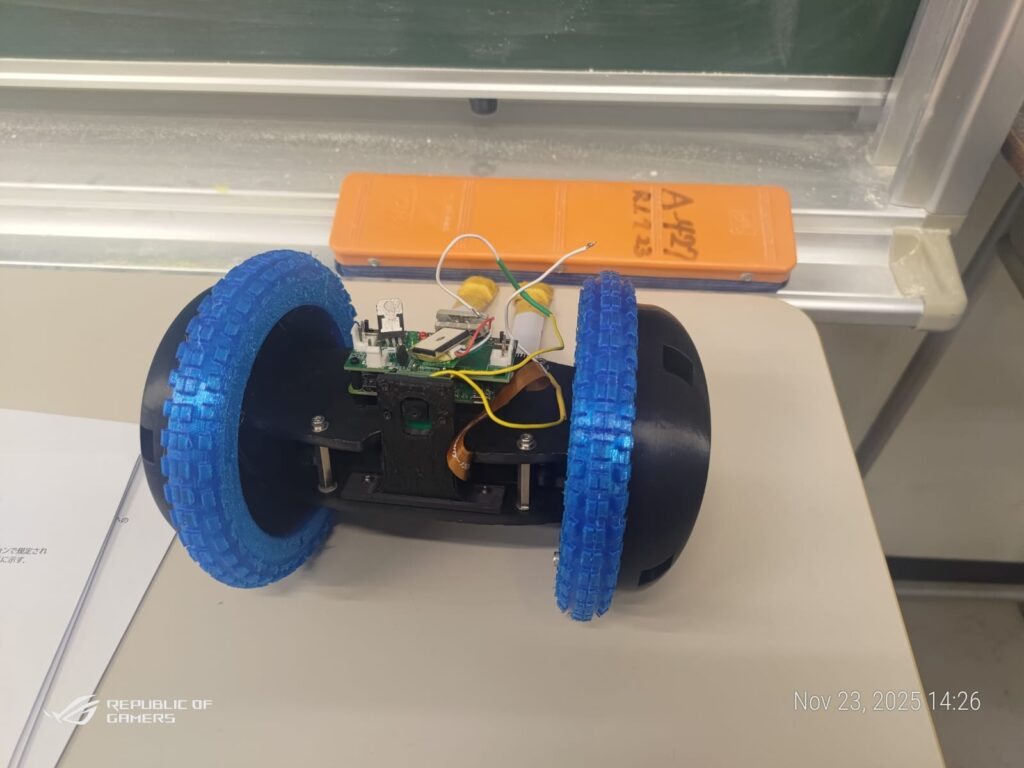
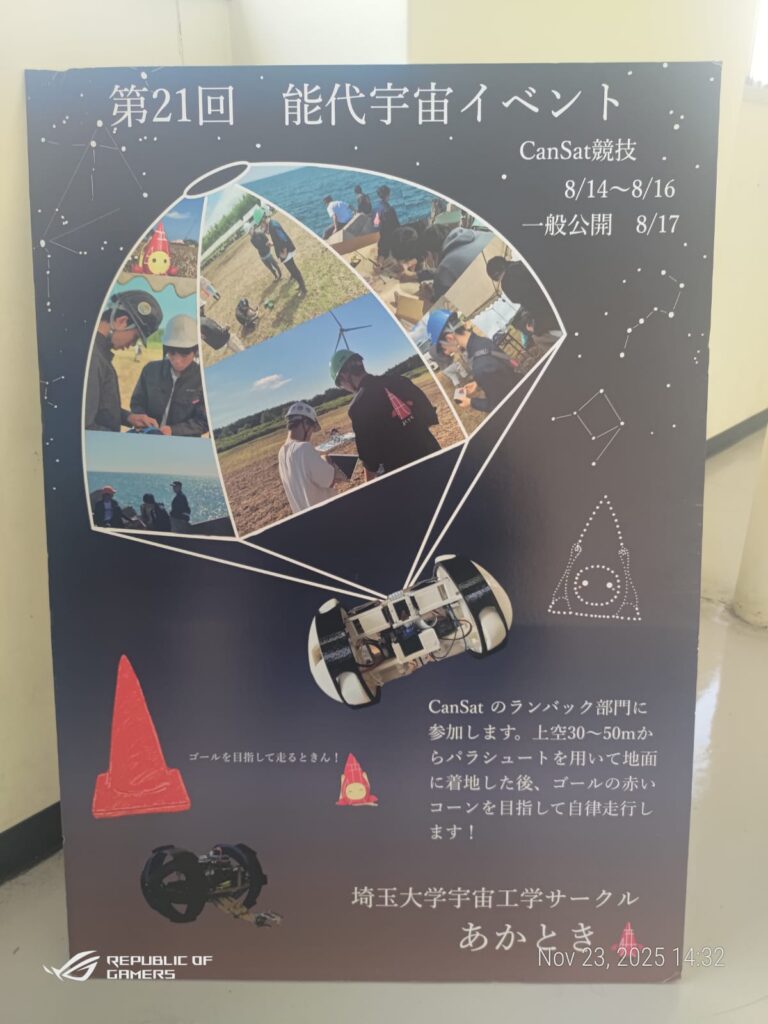
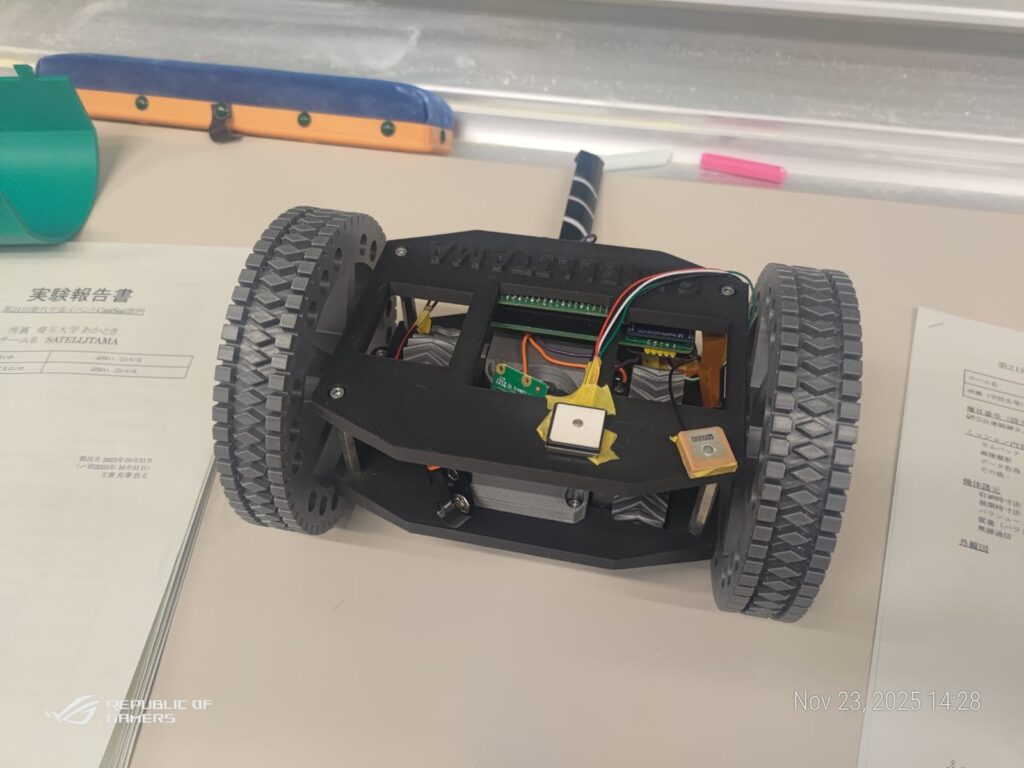
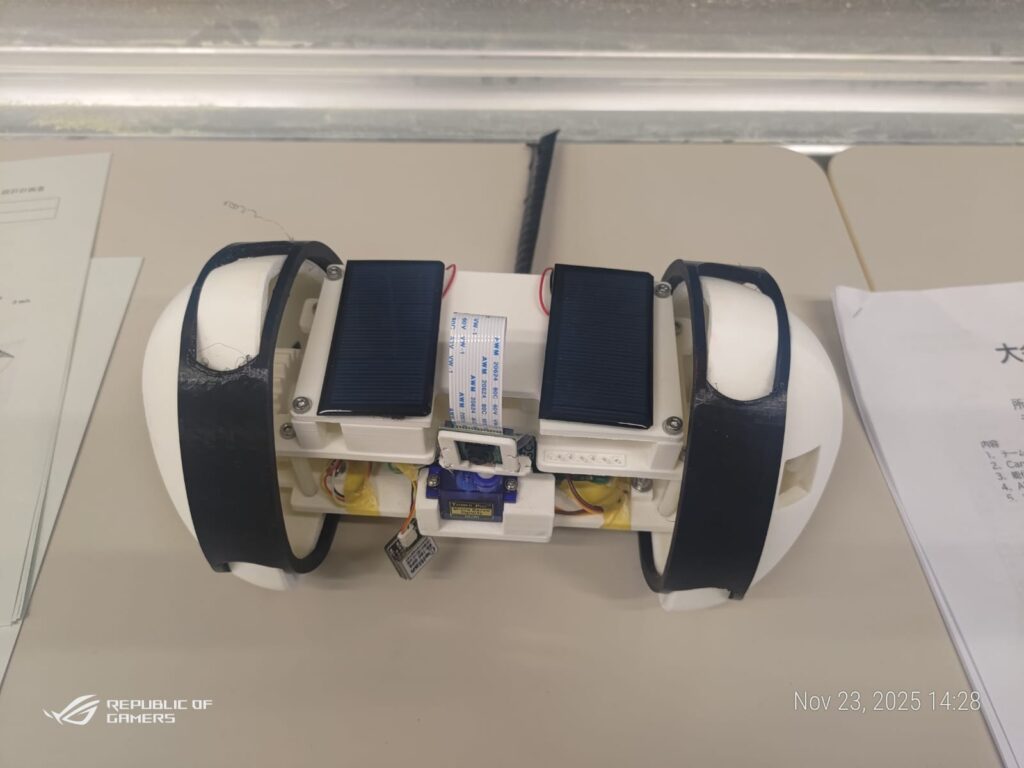
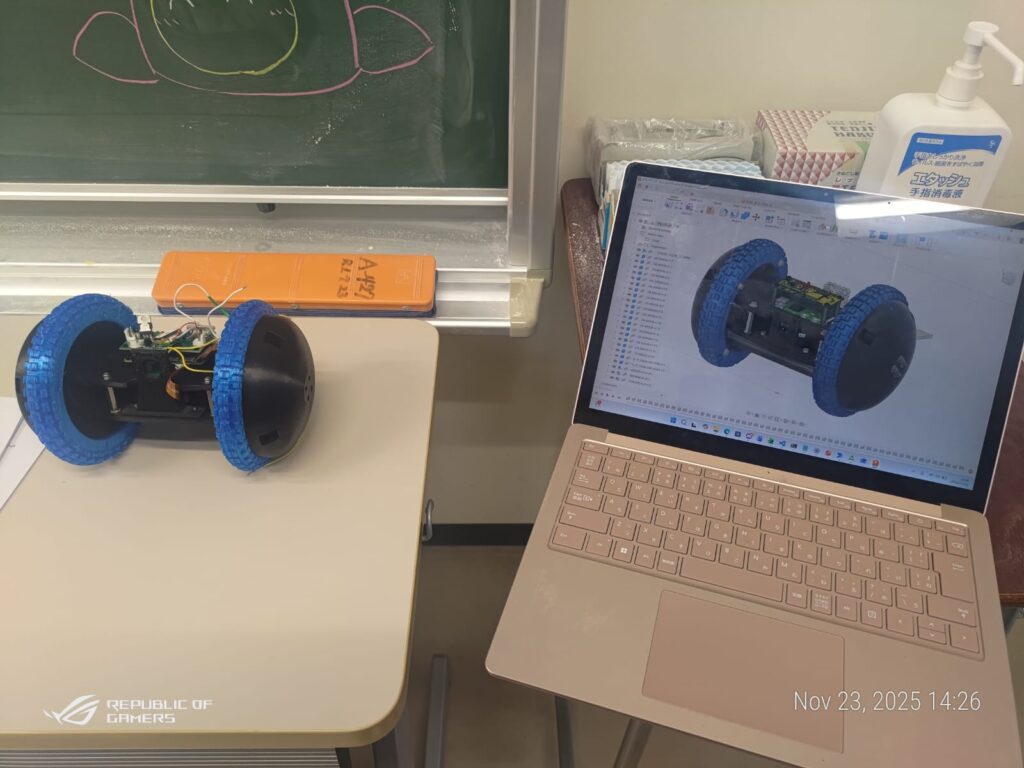
Scientifically, the Open Campus provided an invaluable opportunity to observe how theoretical laboratory research is effectively translated into practical, everyday applications. During the comprehensive tour, our team leader engaged directly with local Japanese researchers and engineering students who are developing innovative solutions for modern societal needs. Exhibitions featured interactive demonstrations of next-generation materials, eco-friendly infrastructure designs, and smart technologies aimed at improving environmental sustainability. By exploring these local innovations, our team leader gathered critical insights into how community-level research can inspire larger, cross-institutional projects. The event highlighted the profound importance of making science accessible, proving that public engagement is just as crucial as the research itself when attempting to drive widespread technological adoption.
Beyond the immediate exchange of scientific knowledge, this academic visit is deeply rooted in the United Nations Sustainable Development Goals. Most notably, participating in the Saitama University Open Campus actively promotes SDG 4: Quality Education. By observing how top-tier universities interact with the public to inspire the next generation of scientists, we can adopt similar, highly effective pedagogical strategies to enhance our own educational outreach and student engagement. Furthermore, the event serves as a powerful demonstration of SDG 9: Industry, Innovation and Infrastructure. The local innovations displayed at the campus—ranging from resilient building materials to novel clean energy systems—embody the exact type of robust, forward-thinking infrastructure and industrial innovation required to build sustainable, future-proof communities.
Ultimately, this exploratory visit to Saitama University marks a highly successful step in expanding our international academic network. By actively engaging with local innovations abroad, our team leader returns with fresh perspectives and a strengthened commitment to collaborative research. This seamless exchange of knowledge ensures that our academic institution remains at the absolute cutting edge of scientific progress, continuously inspired by global partnerships to build a smarter, more sustainable world for everyone.