The global transition toward sustainable power is no longer just a distant ambition; it is an urgent necessity. As the world confronts the escalating impacts of climate change, the demand for highly efficient, clean, and safe renewable energy sources has never been more critical. At the forefront of this scientific revolution is the development of next-generation photovoltaic materials. To accelerate these vital discoveries, a dedicated international research collaboration is currently underway, focusing on the creation of durable, highly efficient, and completely non-toxic solar panels.
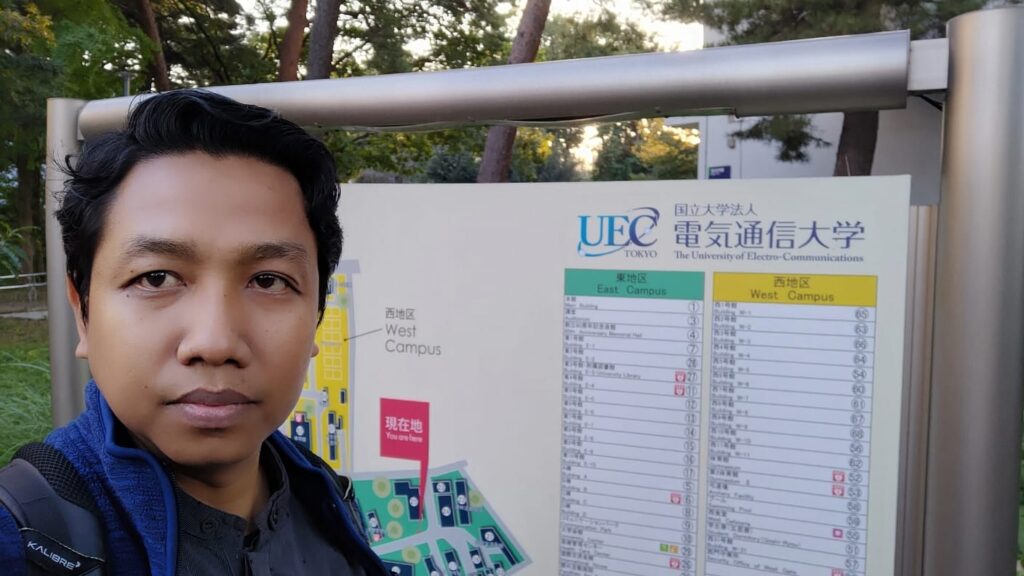
This strategic initiative is defined by its focused academic exchange. The essential details of this collaborative program include the Number of participants: 1 Visiting Researcher (collaborating with the advanced materials team at UEC), It was attended by TRG Leader, Azwar Hayat, Ph.D and the Date of activity: January 26, 2025. By stepping into the state-of-the-art laboratories at The University of Electro-Communications (UEC) in Tokyo, Japan, the visiting researcher has embarked on a pivotal mission to redefine how we harness the sun’s limitless power.
Scientifically, the solar industry is experiencing a massive transformation driven by perovskite crystals. These remarkable materials capture sunlight and convert it into electricity with astonishing efficiency. However, the most successful perovskite solar cells today rely heavily on lead, a toxic heavy metal that poses significant environmental and health risks. This joint research directly addresses this fundamental flaw by replacing lead with tin, a safe and eco-friendly alternative. While tin-based perovskites hold tremendous promise for high optoelectronic performance, they are highly sensitive and prone to rapid degradation when exposed to air. To overcome this, the daily laboratory work at UEC focuses intensely on engineering nanoscale protective layers and optimizing electron transport architectures. By meticulously fabricating these ultra-thin films in controlled cleanroom environments, the research team aims to guarantee long-term stability and unmatched device performance.
Beyond the laboratory bench, this specialized research is deeply intertwined with the United Nations Sustainable Development Goals. Most notably, this ambitious project serves as a direct catalyst for SDG 7: Affordable and Clean Energy. By actively developing lead-free solar cells that are significantly cheaper to manufacture and completely safe for the environment, this initiative strives to make high-quality renewable energy accessible to communities worldwide. Furthermore, the collaboration is a powerful testament to SDG 9: Industry, Innovation and Infrastructure. Designing highly flexible, lightweight, and non-toxic solar panels requires profound technological innovation. This breakthrough infrastructure will eventually allow solar technology to be seamlessly integrated into everyday urban environments, from building facades to flexible portable devices, modernizing our power grids.
Ultimately, stabilizing tin perovskite technology will revolutionize the renewable energy landscape. Through dedicated international collaboration, we are moving steadily toward a future where cutting-edge solar panels are not only brilliantly efficient but also entirely harmonious with the natural world, securing a brighter, greener tomorrow for everyone.