

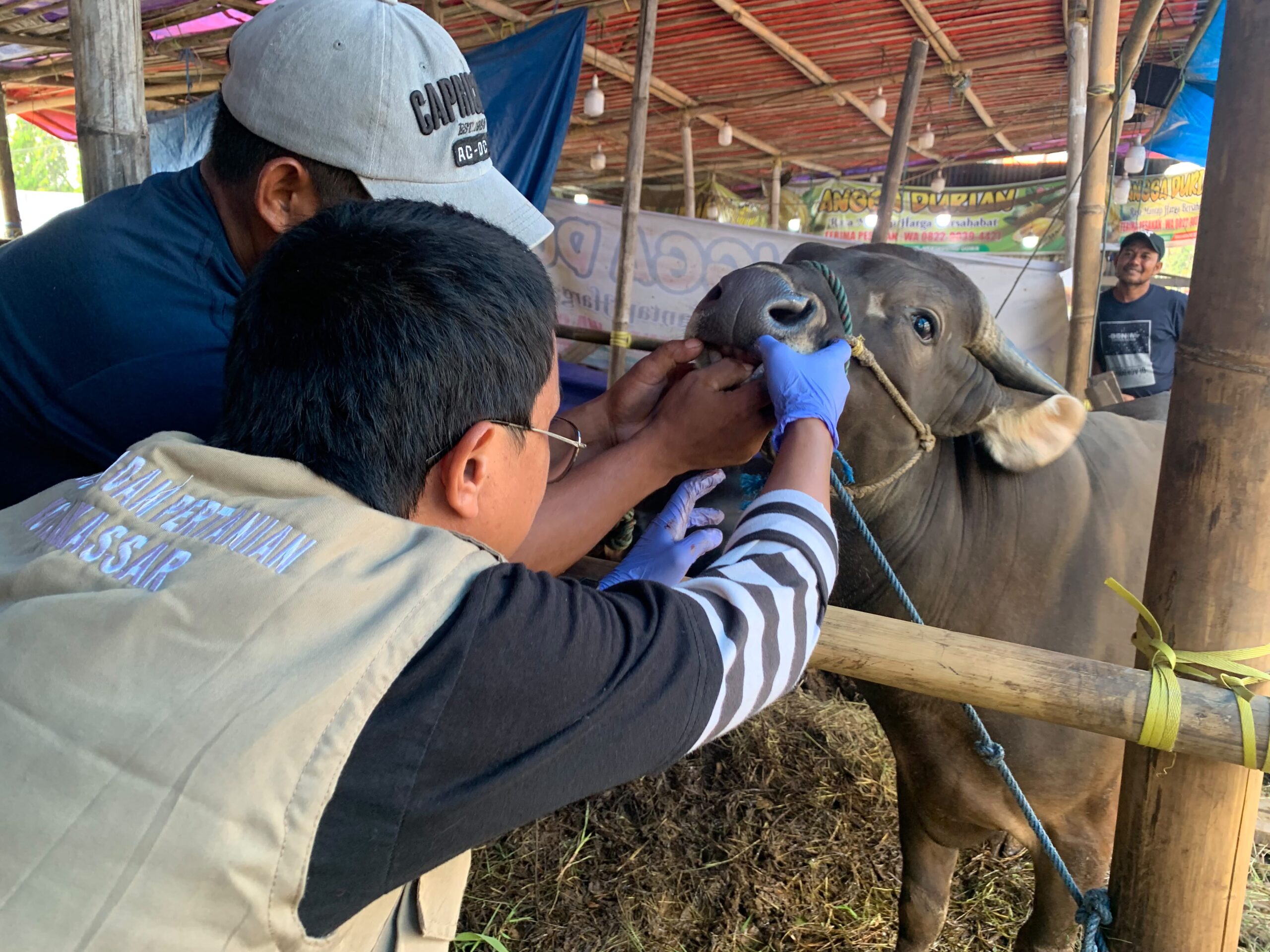

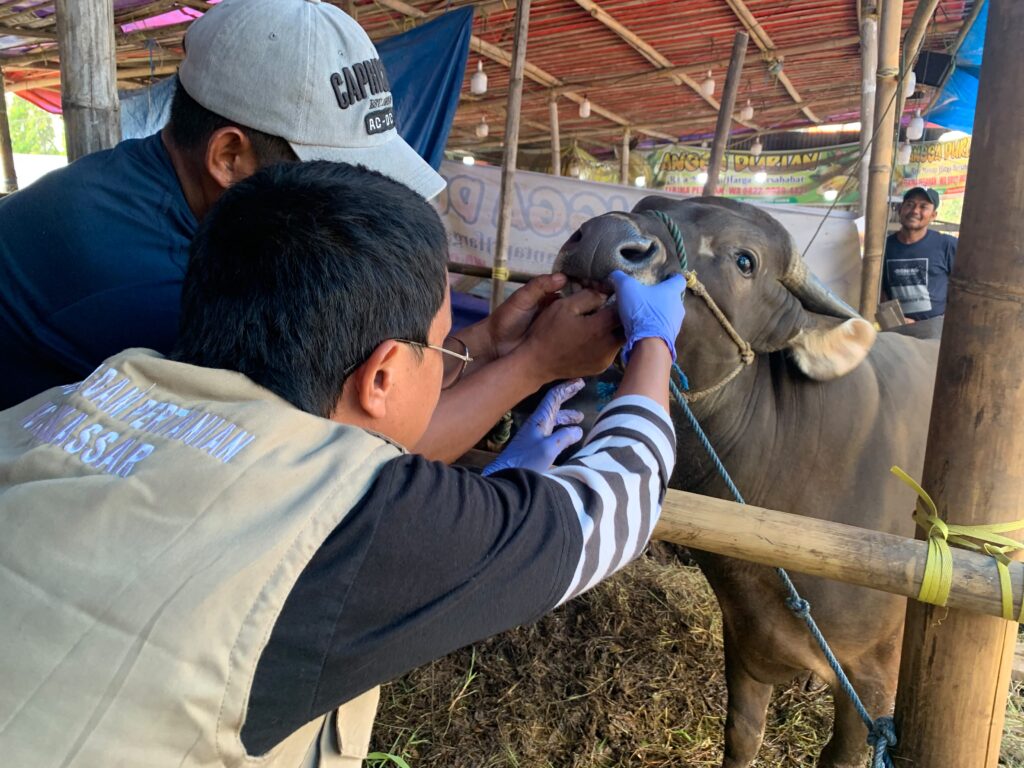
Makassar, May 28th 2026 – To guarantee that sacrificial animals remain completely safe, healthy, wholesome, and compliant with Islamic principles, a dedicated team of lecturers and veterinary medicine students from Hasanuddin University conducted thorough antemortem and postmortem inspections throughout Makassar City during Eid al-Adha. This vital public service initiative underscores the crucial role of veterinary medicine in protecting public health, upholding high animal welfare standards, and ensuring food safety across local communities during major religious celebrations. The collaborative activity was carried out in close partnership with the Fisheries and Agricultural Services of Makassar City, mobilizing around 30 experienced lecturers alongside 150 eager veterinary students, including undergraduate scholars and professional veterinary medicine interns. Most participating faculty members belong to the Infectious Animal Disease Dynamics Thematic Research Group, widely known as ADDIS TRG, bringing valuable scientific expertise in epidemiology, disease surveillance, and population health directly into field operations.
The health inspections unfolded across two systematic phases to cover every critical stage of animal handling. The initial antemortem phase ran from May 18 to May 26, 2026, during which specialized field teams examined live animals for physical defects, clinical signs of infectious diseases, and collected essential blood samples. Early identification during this screening process prevents the slaughter of sick livestock and blocks harmful biological pathogens from entering the food supply. Following this, the postmortem phase took place on Eid al-Adha day, May 27, 2026, where inspectors meticulously checked carcasses, internal organs, and viscera to verify that distributed meat remained wholesome and pathogen-free. As a prominent example of these field operations, drh. Rian Hari Suharto, M.Sc., serving as an active member of the Infectious Animal Disease Dynamics Thematic Research Group (ADDIS TRG), performed rigorous antemortem and postmortem examinations together with four veterinary students at the Ikhtiar Mosque located in the Unhas Tamalanrea Lecturer Housing Complex, where they successfully inspected 58 cattle.
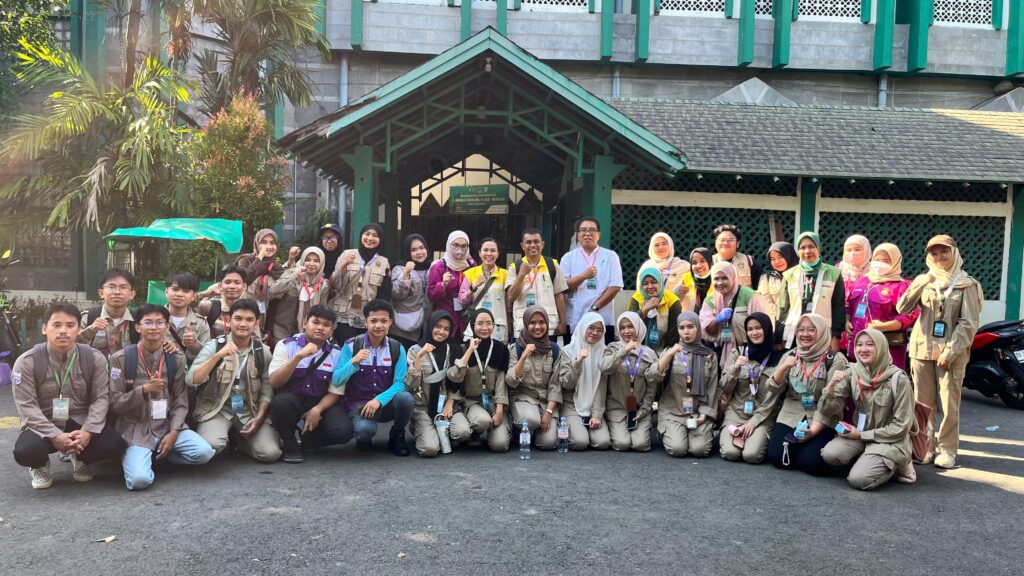
This extensive public health initiative directly supports several United Nations Sustainable Development Goals (SDGs), which are explicitly embedded within the team’s mission. By providing safe, disease-free meat to vulnerable households, the program supports SDG 1: No Poverty, preventing unexpected medical expenses from foodborne illnesses among low-income families while strengthening local food security. Through active control of dangerous biological pathogens and zoonotic risks, the initiative actively advances SDG 3: Good Health and Well-Being by protecting urban consumers from foodborne diseases. Furthermore, field deployment delivers immersive practical training for young scholars, advancing SDG 4: Quality Education by bridging theoretical academic knowledge with real-world health monitoring. Finally, the seamless cooperation between Hasanuddin University and local government authorities demonstrates the power of SDG 17: Partnerships for the Goals in solving complex community health challenges. Through continuous field inspections, academic expertise, and active public engagement, the ADDIS TRG team maintains strict food safety standards and protects public health.


