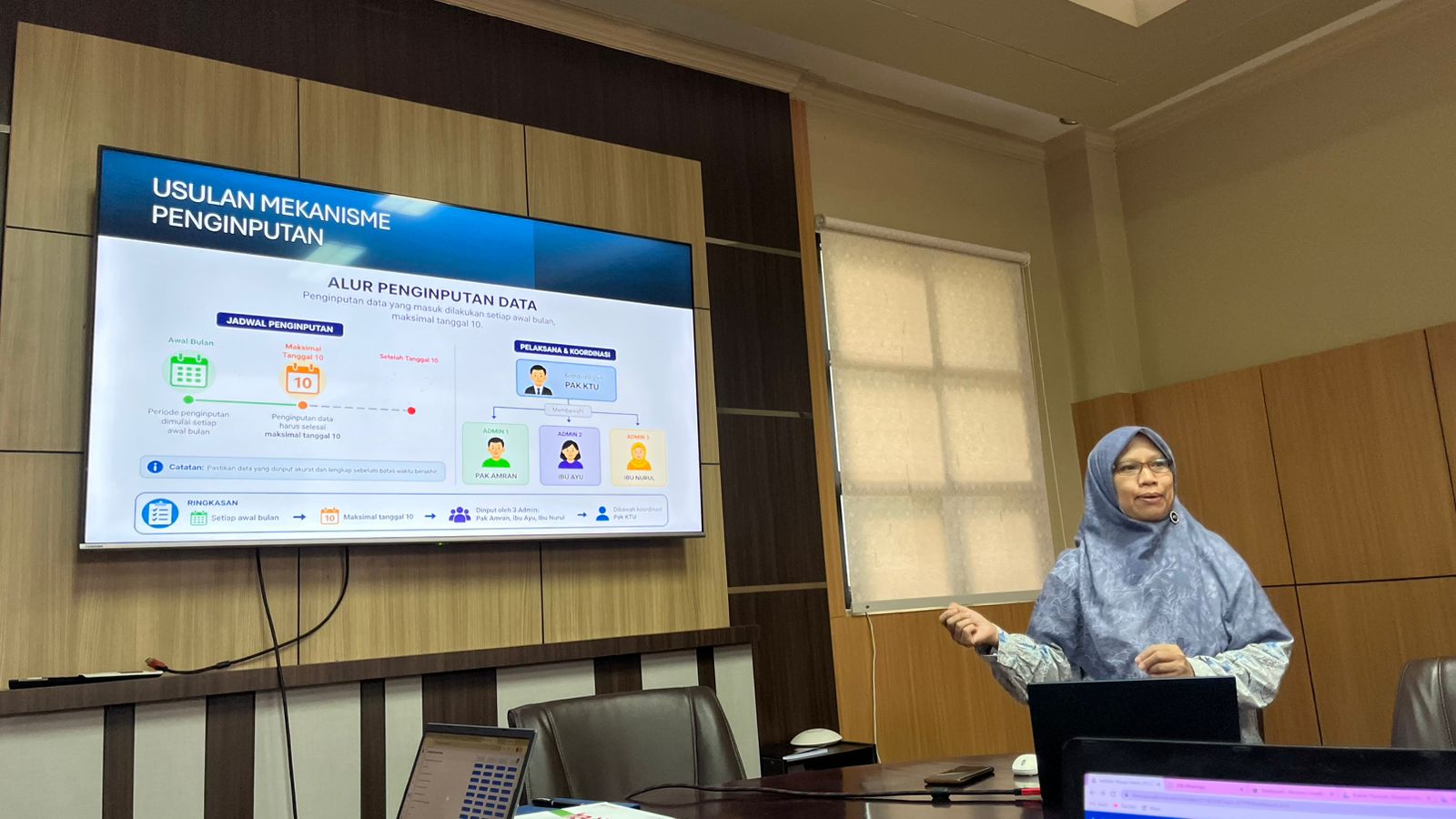

On May 5, 2026, the Graduate School of Hasanuddin University (Pascasarjana Unhas) became a vibrant hub for intellectual synergy as it hosted a high-level discussion focused on the reinforcement of international research and the Sustainable Development Goals (SDGs). Bringing together a specialized group of 28 participants, including prominent scholars, researchers, and policy advocates, the forum aimed to bridge the gap between academic inquiry and transformative global action. The atmosphere was charged with a shared commitment to ensuring that scientific endeavors transcend theoretical boundaries to address the pressing crises of our modern
era.
The core objective of this gathering was to foster a robust ecosystem for global collaboration. In an increasingly interconnected world, the isolation of knowledge is a barrier to progress. Therefore, the discussion emphasized that aligning institutional research agendas with the United Nations’ 17 global goals is no longer optional but a necessity. By harmonizing local expertise with international standards, the participants explored how to elevate the quality of publications while simultaneously providing tangible solutions for societal welfare.
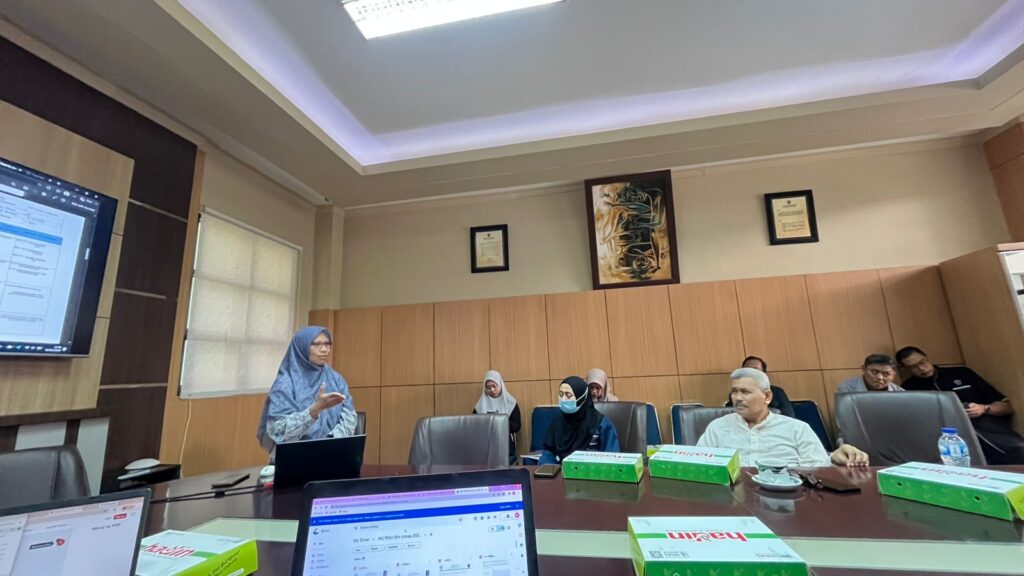
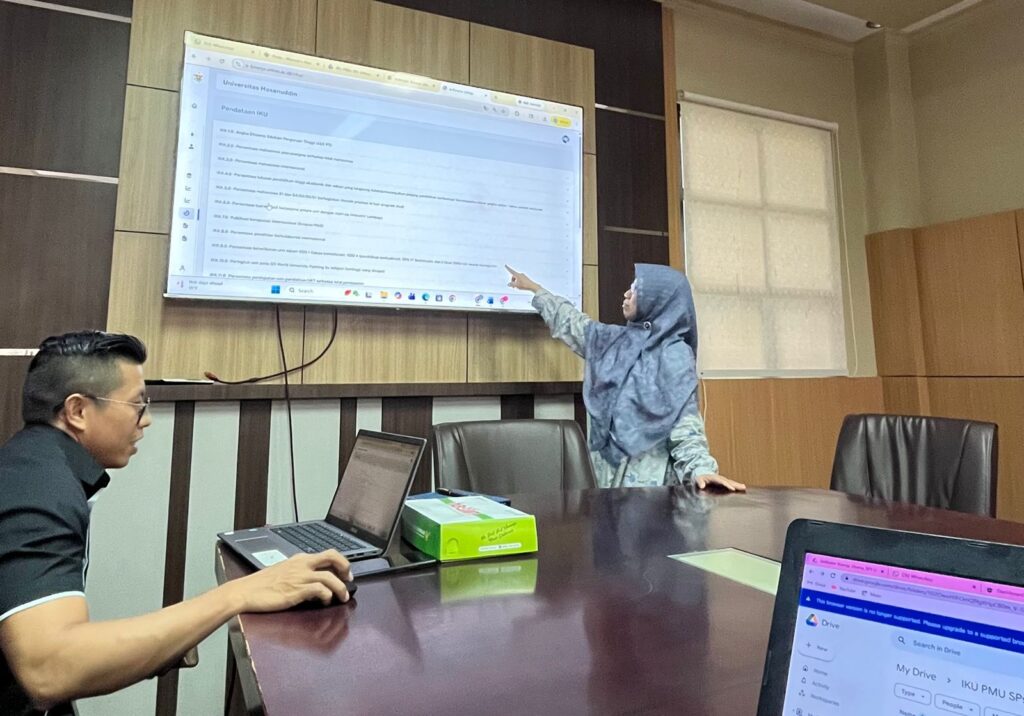
A primary focal point of the dialogue was the integration of SDG 4: Quality Education. The participants underscored that advanced research is the backbone of inclusive and equitable education. By enhancing the capacity of researchers and improving the pedagogical frameworks within graduate programs, Unhas aims to produce a new generation of thinkers capable of navigating complex global challenges. This commitment ensures that lifelong learning opportunities are supported by cutting-edge evidence and innovative teaching methodologies.
Furthermore, the discussion delved into the economic implications of academic output through the lens of SDG 1: No Poverty. The experts argued that research should serve as a catalyst for economic resilience. By focusing on sustainable livelihoods and technological innovation, international research collaborations can provide the data-driven insights needed to eradicate poverty. This involves directing scientific attention toward resource management and socioeconomic policies that empower marginalized communities, ensuring that economic growth is both inclusive and sustainable.
Recognizing that these ambitious goals cannot be achieved in a vacuum, the forum placed significant weight on SDG 17: Partnerships for the Goals. The narrative of the day was clear: scientific breakthroughs require the pooling of resources, technology, and cross-border expertise. The event served as a strategic platform for networking, opening doors for international funding and joint ventures between Unhas and global institutions.
In conclusion, the event at Pascasarjana Unhas was more than just a meeting; it was a call to action. By prioritizing SDG 4, SDG 1, and SDG 17, the 28 dedicated participants successfully mapped out a trajectory for research that is not only internationally competitive but also deeply rooted in the spirit of global solidarity. As the session closed, there was a collective understanding that the pursuit of knowledge is most meaningful when it serves the planet and its people.