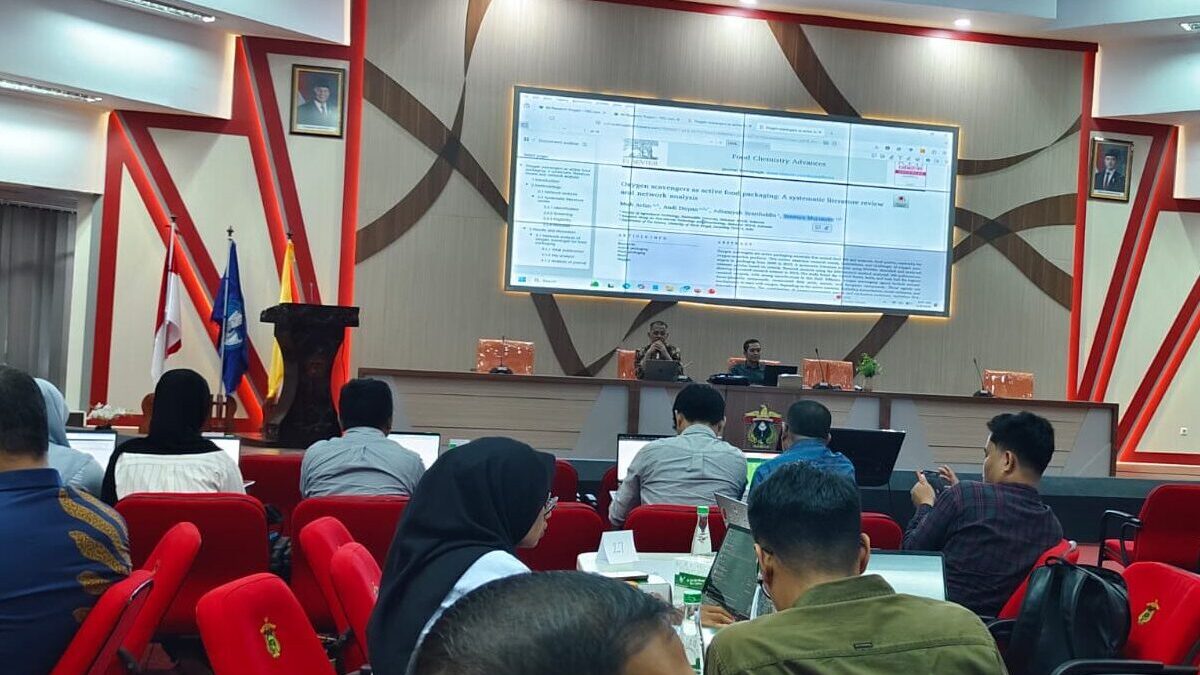

On Thursday, April 19, 2026, the Institute for Research and Community Services (LPPM) at Hasanuddin University (Unhas) marked a significant milestone in the digital transformation of academic collaboration. The official socialization of the Thematic Research Group (TRG) Web Portal was successfully convened, drawing 50 distinguished participants, including seasoned researchers, academics, and strategic stakeholders. This initiative serves as a pivotal leap toward modernizing how scientific knowledge is managed, shared, and utilized within the university’s vibrant research ecosystem.
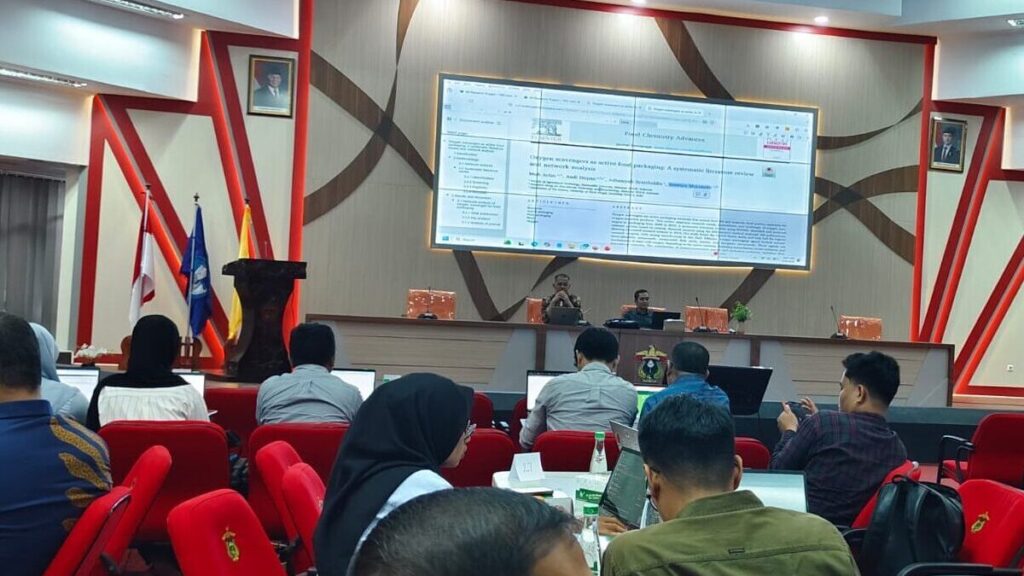
The core objective of this socialization was to introduce the TRG web platform as the primary digital conduit for managing and disseminating thematic research activities. In an era where information velocity defines scientific progress, the TRG website is designed to streamline the transition from traditional silos to a dynamic, integrated digital environment. By providing a centralized hub for research outputs, the platform ensures that scientific findings are not merely archived but are actively accessible to the global community, thereby fostering a culture of transparency and academic excellence.
Central to this technological advancement is its alignment with the United Nations Sustainable Development Goals (SDGs). This initiative directly supports SDG 4: Quality Education by providing an open-access infrastructure that enhances the quality of information available to students and educators alike. By digitizing intellectual assets, Unhas ensures that cutting-edge research becomes a tool for lifelong learning and capacity building. Furthermore, the platform acts as a catalyst for SDG 17: Partnerships for the Goals. It strengthens the networking fabric between domestic and international researchers, facilitating multi-stakeholder collaborations that are essential for solving complex global challenges.
Beyond academic metrics, the TRG web portal also plays a crucial role in socio-economic development, contributing to SDG 1: No Poverty. Through the effective dissemination of research related to community empowerment and economic resilience, the platform ensures that scientific innovations reach the policymakers and practitioners who can implement them to uplift marginalized populations. The integration of technology in research management ensures that data-driven solutions for poverty alleviation are organized and ready for large-scale application.
The event at LPPM Unhas emphasized that the web portal is more than just a repository; it is a catalyst for sustainable research development. Participants were encouraged to shift toward more interactive digital engagement, ensuring that their scientific contributions achieve higher visibility and impact. By leveraging this platform, researchers can efficiently manage publications, track collaborative projects, and engage in real-time information exchange.
In conclusion, the socialization of the TRG Web Portal represents a strategic investment in the future of sustainable science. By bridging the gap between information technology and thematic research, Hasanuddin University is not only improving administrative efficiency but also reinforcing its commitment to global progress. Through the synergy of SDG 1, SDG 4, and SDG 17, this digital transformation ensures that the pursuit of knowledge remains inclusive, collaborative, and deeply impactful for the betterment of society.