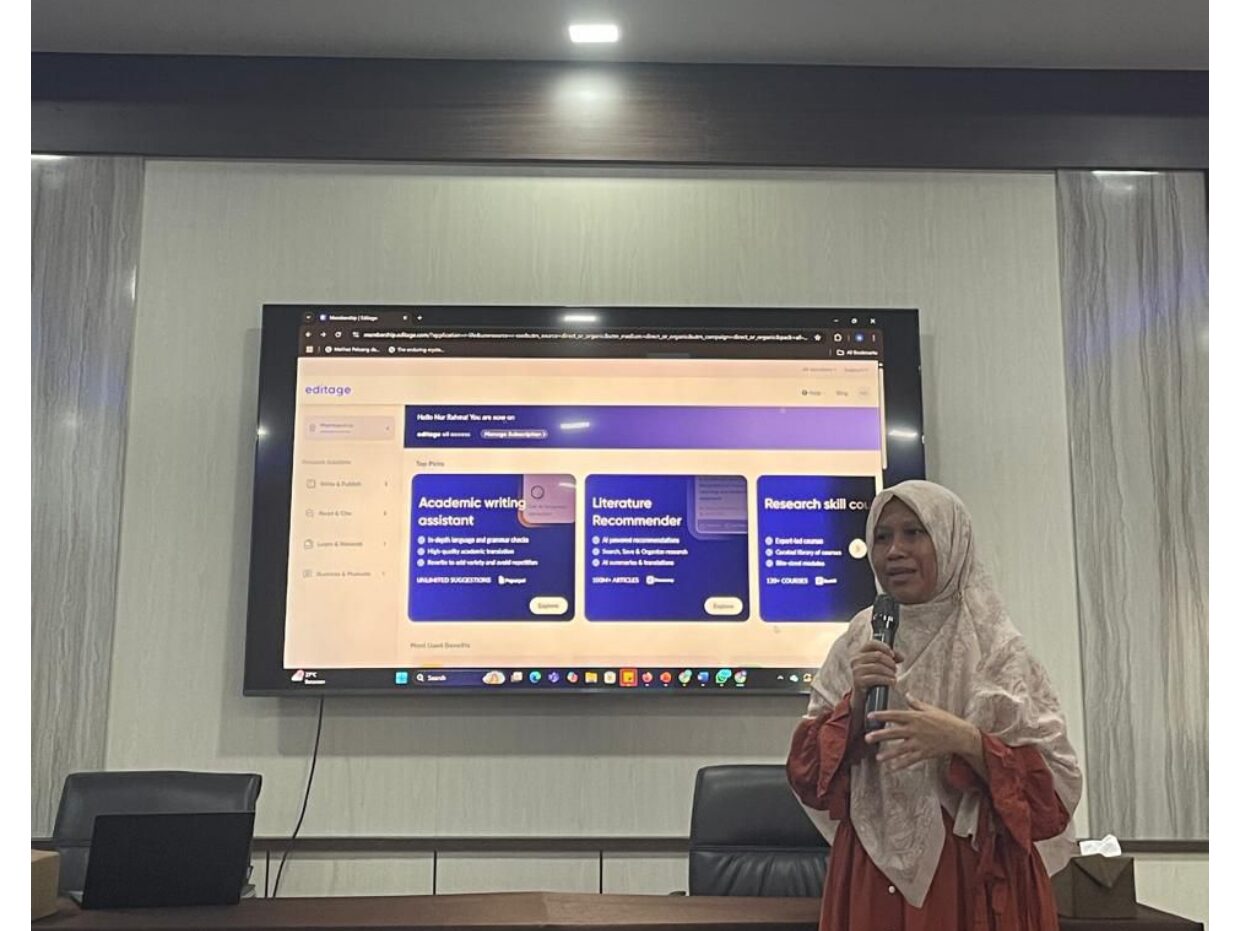

“Introduction to Predatory and Discontinued Journals: Efforts to Increase Research and Publication Integrity.”
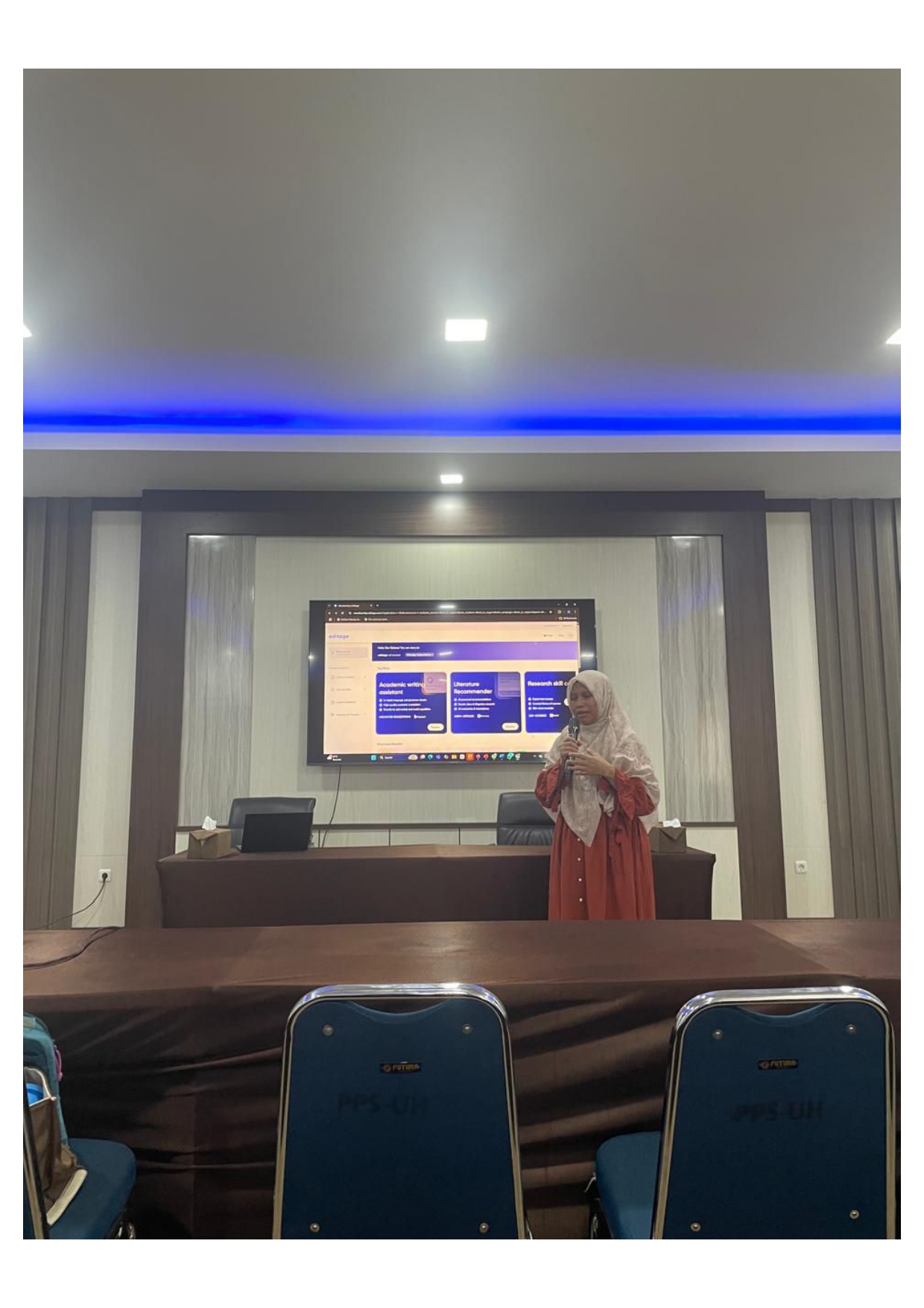
The primary objective of this initiative was to equip researchers with the critical thinking skills necessary to navigate the increasingly complex landscape of academic publishing. As predatory journals—entities that prioritize profit over peer-review quality—become more sophisticated, the risk of falling prey to these “academic traps” grows. By learning to identify the red flags of discontinued and fraudulent journals, participants are now better prepared to choose reputable publication channels, thereby preserving both their individual reputations and the institutional standing of the university.
This workshop is deeply rooted in the global framework of sustainable development. Most notably, this initiative directly supports SDG 4: Quality Education. By fostering a culture of high-quality research and teaching participants how to distinguish between legitimate and exploitative scholarship, the Graduate School ensures that the education provided meets international standards of excellence. Furthermore, by preventing researchers from losing valuable financial resources to fraudulent publishers, the program aligns with SDG 1: No Poverty. Protecting the limited research grants and personal funds of scholars—especially those from developing regions—ensures that financial capital is invested in genuine scientific progress rather than lost to predatory schemes.
Integrity in research is not a solitary endeavor but a collective responsibility. The event underscored the importance of SDG 17: Partnerships for the Goals. Promoting research integrity requires strong collaboration between academic institutions, indexing databases, and the global scientific community. By aligning internal policies with international publishing ethics, the Graduate School strengthens the global partnership for sustainable development, ensuring that data used to solve the world’s most pressing problems is credible and verified.
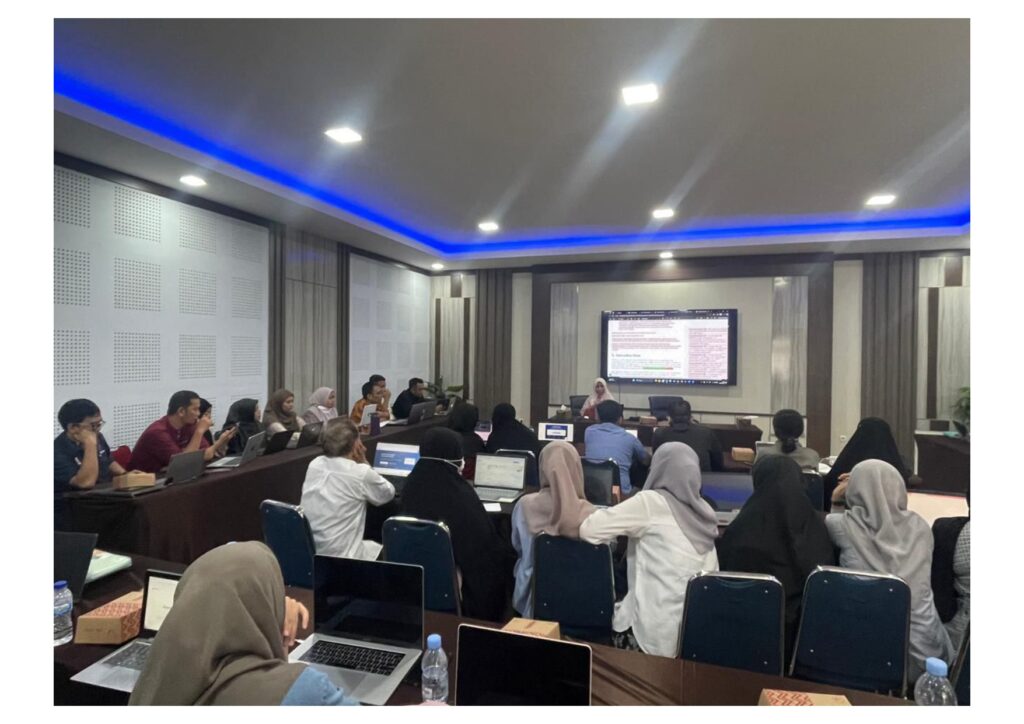
The atmosphere in the Smart Class was one of intense engagement. Through interactive sessions, the 50 participants analyzed real-world case studies of journals that were recently discontinued from major databases like Scopus and Web of Science. They discussed the long-term consequences of publishing in such outlets, which include the potential retraction of findings and the loss of academic credibility.
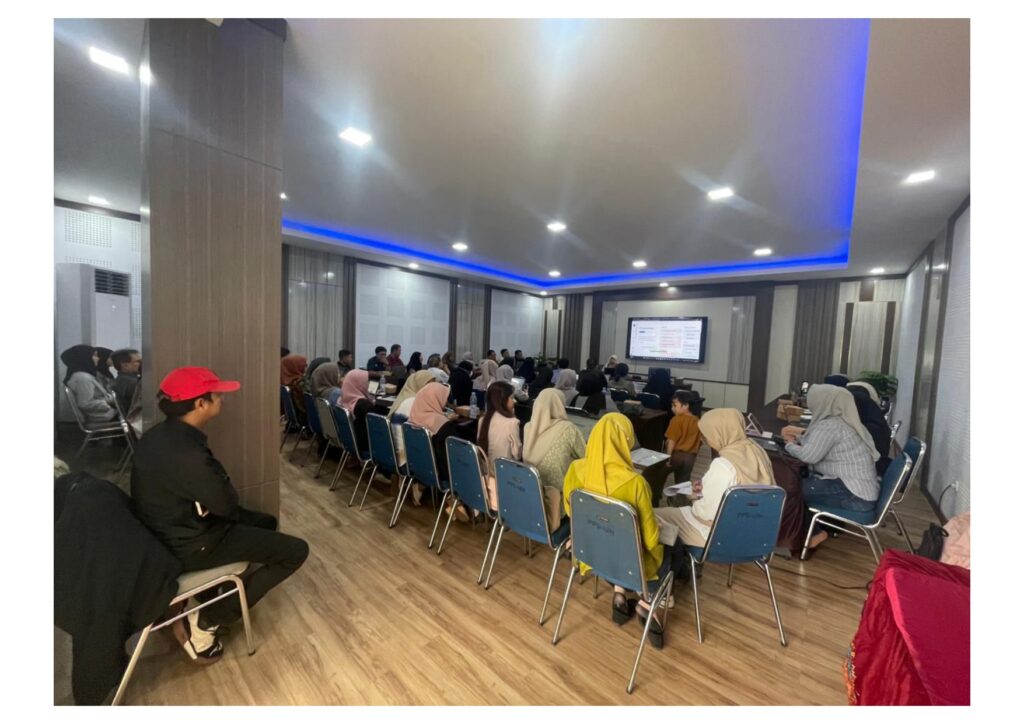
Ultimately, this workshop served as a vital shield against the erosion of scientific truth. By empowering its academic staff and students with the tools to identify predatory practices, the Graduate School reinforces its commitment to producing research that is not only impactful but also ethically sound. In doing so, it ensures that the university remains a beacon of reliable knowledge in an age of information uncertainty.