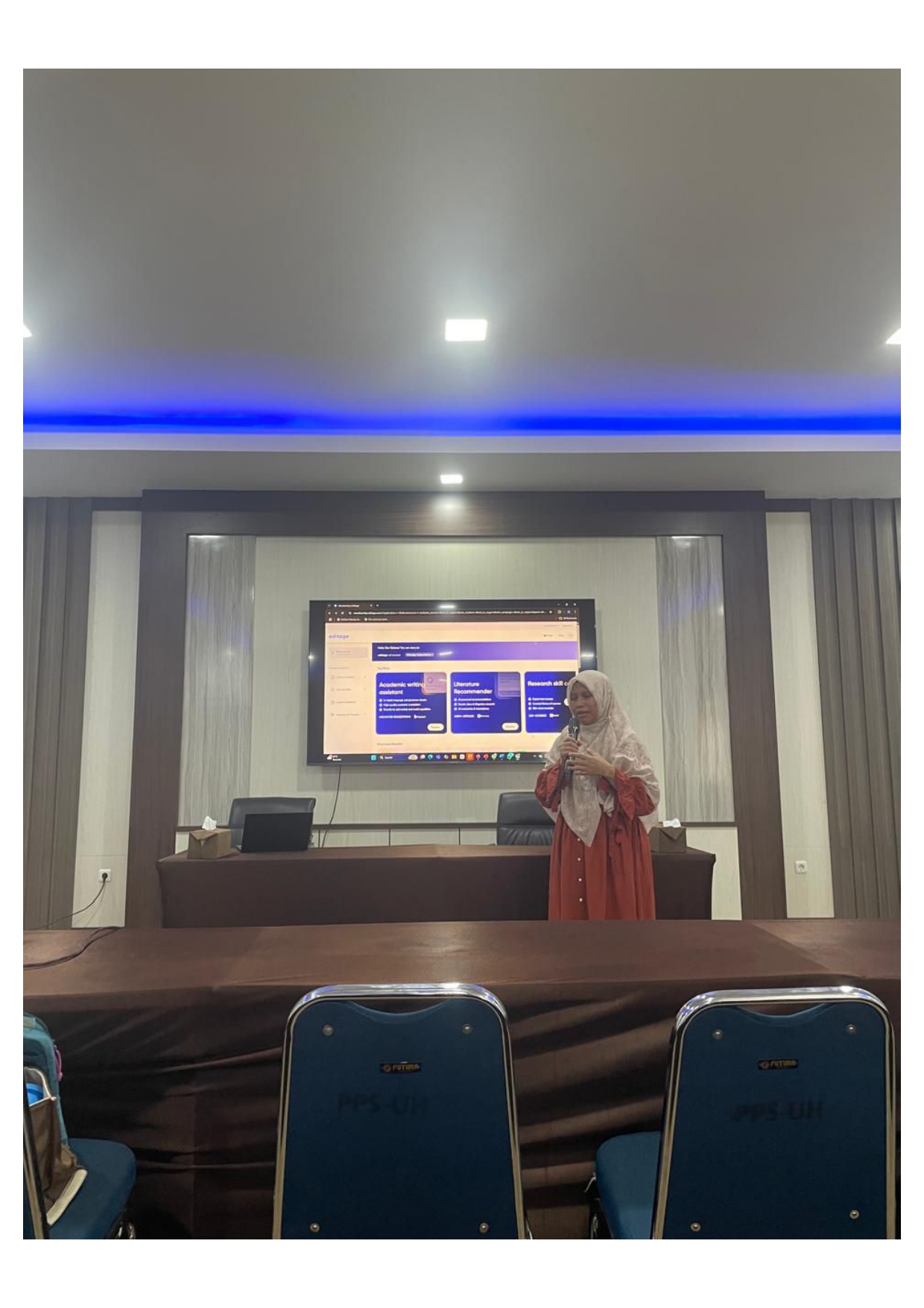

On June 24, 2025, the Smart Class Hall buzzed with intellectual energy as 50 ambitious postgraduate students gathered for a transformative session: “Mentoring and Training on the Use of Paperpal.” This initiative was specifically designed to bridge the gap between rigorous local research and the exacting standards of global academic publishing. In an era where knowledge dissemination is vital, the ability to communicate findings clearly in English remains a significant hurdle for non-native speakers.
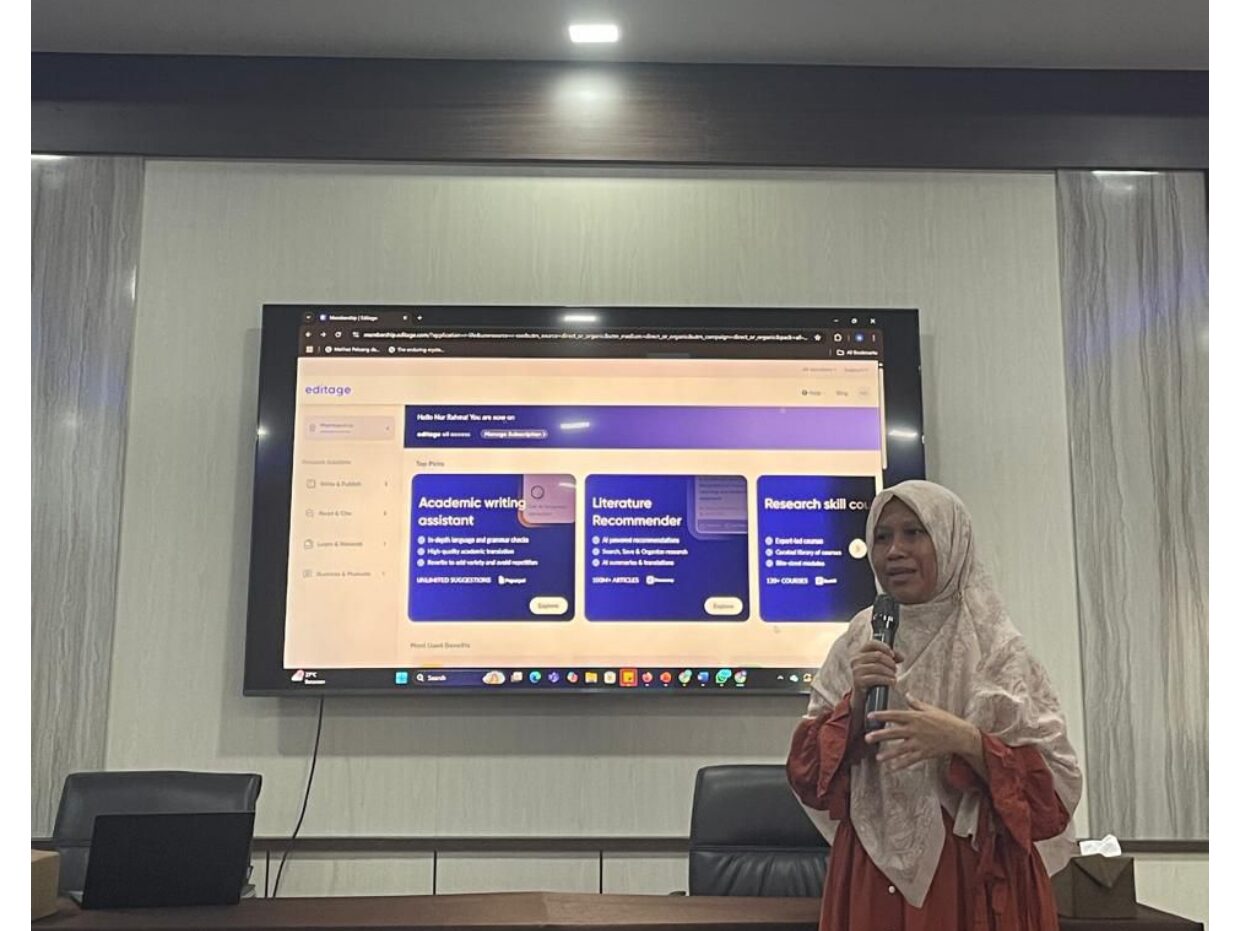
The primary objective of this training was to equip researchers with Paperpal, an advanced AI-driven writing assistant tailored specifically for scientific contexts. Unlike general grammar checkers, Paperpal understands the nuances of technical terminology and formal academic structures. By integrating this technology into their workflow, participants are empowered to refine their manuscripts, ensuring they meet the linguistic expectations of high-impact international journals.
This program is deeply rooted in the global mission for sustainable development. Specifically, the training aligns with SDG 4 (Quality Education) by providing students with cutting-edge digital literacy tools that enhance their lifelong learning and professional capabilities. By fostering these skills, the institution ensures that academic excellence is accessible and that students can compete on a global stage. Furthermore, the workshop supports SDG 17 (Partnerships for the Goals) by strengthening the synergy between technological innovation and academic institutions, creating a robust framework for shared knowledge and scientific progress.
Interestingly, the impact of such training often trickles down to socio-economic improvements, touching upon SDG 1 (No Poverty). By empowering scholars to publish their research, we facilitate the transition of scientific discovery into practical policy and innovation. Higher publication rates often lead to better career opportunities and institutional funding, which eventually contributes to economic resilience and the reduction of professional barriers.
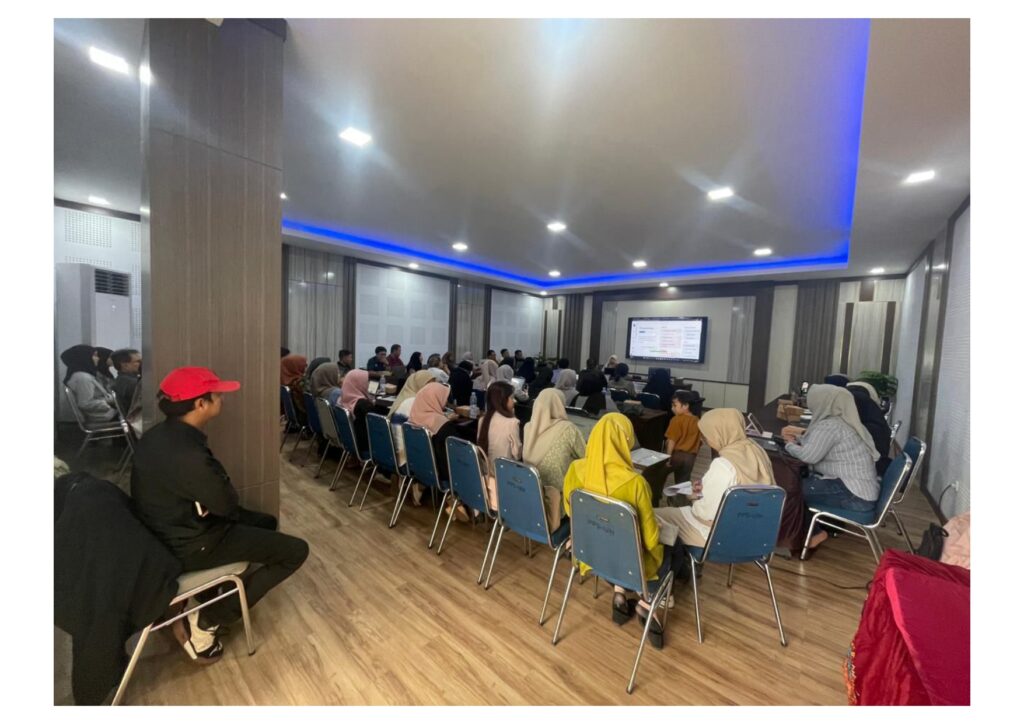
Throughout the intensive session, the 50 participants engaged in hands-on simulations, learning how to navigate real-time suggestions and structural improvements offered by the AI. The atmosphere in the Smart Class was one of collaborative growth, as peers exchanged insights on overcoming “blank page syndrome” and refining their abstract submissions.
As the Graduate School continues to prioritize internationalization, workshops like these serve as a vital catalyst. By mastering Paperpal, our researchers are no longer just observers of global scientific trends; they are active, articulate contributors. This event marks a significant milestone in our commitment to nurturing a generation of scholars whose voices resonate clearly across the international academic landscape, proving that with the right tools, language is no longer a barrier, but a bridge to global discovery.