


Read More
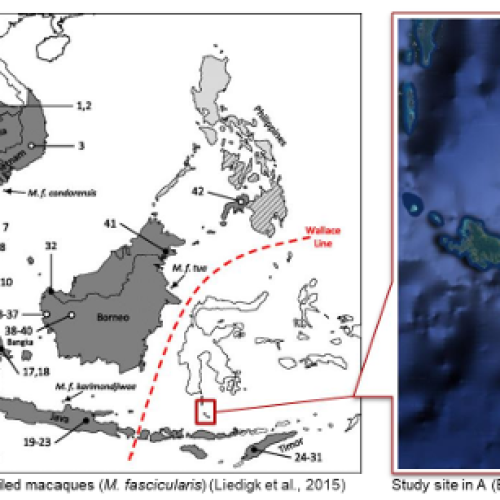
MAKASSAR, Indonesia May 6 2026 /WILDEV/– On two small Indonesian islands, Bonerate and Kalao, a familiar animal has become an unexpected source of tension: the long-tailed macaque. In the published study “Population Abundance of Macaca fascicularis and potential human-wildlife conflicts in Bonerate and Kalao Island,” researchers found that macaques are living close to villages, gardens, and coastlines, where people farm and build their homes. That close contact has turned daily life into a struggle over space, food, and safety.
Read More
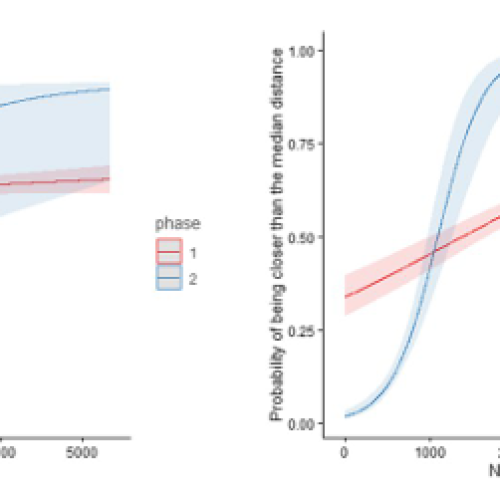
MAKASSAR, Indonesia May 6 2026 /WILDEV/– A new study from Sulawesi offers a surprising lesson about wildlife, memory, and patience. In the article “Moor Macaques (Macaca maura) Remember Earlier Habituation Despite Changes in Group Composition,” published in the International Journal of Primatology by Springer Nature on 2 January 2024, researchers followed a wild group of moor macaques near Bara Beach, South Sulawesi, Indonesia, to see whether they could “remember” earlier friendly exposure to humans after a long break.
Read More
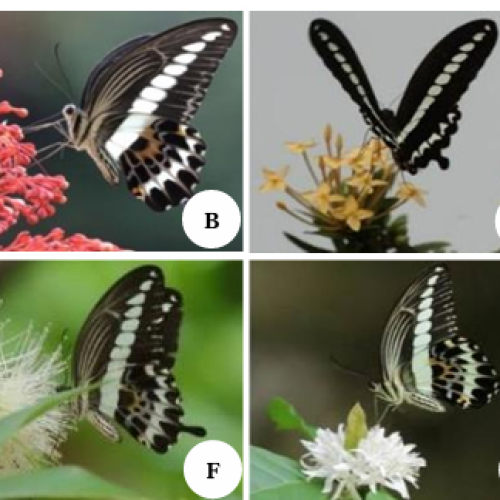
MAKASSAR, Indonesia May 6 2026 /WILDEV/– The article “Abundance assessment of Sulawesi Banded Swallowtail, Papilio gigon gigon and availability of resource plants in Bantimurung Bulusaraung National Park, South Sulawesi, Indonesia,” published in Biodiversitas by Smujo International in February 2024, shows that a butterfly’s survival is closely tied to the plants around it. In simple terms, when the right host plants and nectar plants are present, the butterfly has a better chance to live, feed, and reproduce. The study was carried out in three sites—Bantimurung, Leang-leang, and Pattunuang—and it found that the Sulawesi Banded Swallowtail, an endemic butterfly of Sulawesi, is still facing pressure from habitat change, tourism, and hunting.
Read More
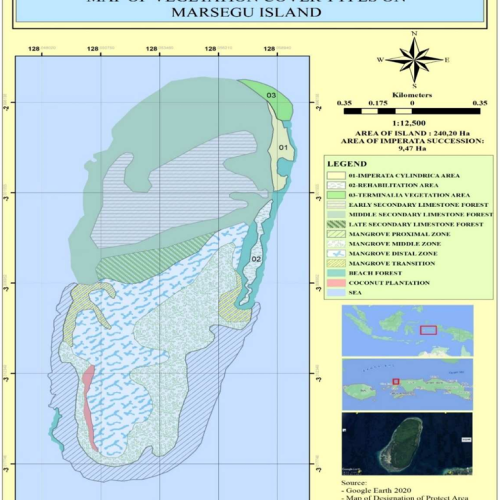
MAKASSAR, Indonesia May 6 2026 /WILDEV/– Marsegu Island in Maluku is a small place with a big lesson. The article “Imperata vegetation succession and carbon stocks on degraded land of beach forest in Marsegu Island, Maluku, Indonesia,” published in the Journal of Degraded and Mining Lands Management, by its publisher, in January 2024, shows that damaged coastal land can slowly heal when the right plants return. The researchers studied land that had once been cleared and later covered by Imperata cylindrica, a tough grass that often signals degraded soil and can fuel dry-season fires.
Read More
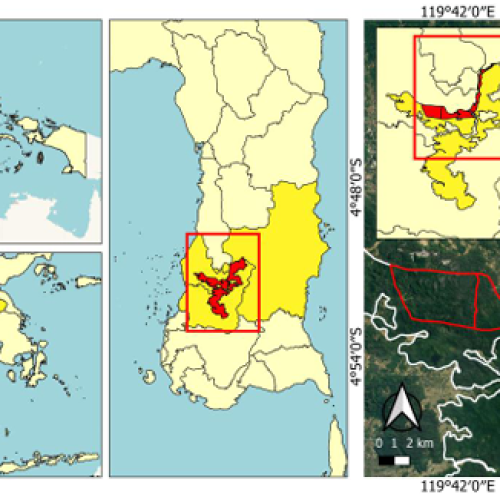
MAKASSAR, Indonesia Jun 8 2026 /WILDEV/– Every mountain trail tells a story, and in Bulusaraung Mountain that story is now also about responsibility. A recent study in Bantimurung Bulusaraung National Park looked at how hikers perceive waste management on the trail, and its message is clear: beautiful nature needs disciplined visitors. The research surveyed 100 hikers, observed the trail, and found that most respondents already support better waste control, especially because plastic bottles and bags dominate the litter left behind.
Read More
MAKASSAR, Indonesia Jun 8 2026 /WILDEV/– At first glance, a national park edge may look harmless: a road, a village, a garden, or a cleared patch of land beside a forest. But for Bantimurung Bulusaraung National Park in South Sulawesi, that boundary is where a quiet ecological battle is taking place. A recent article published in Biodiversitas shows that invasive alien plant species are using these disturbed edges as a doorway into the park’s fragile karst forest. The study was based on 25 transects and 125 plots in the Tondong Tallasa Resort area, and it found 21 invasive species, with 95.2% of them growing in clumps.
Read More
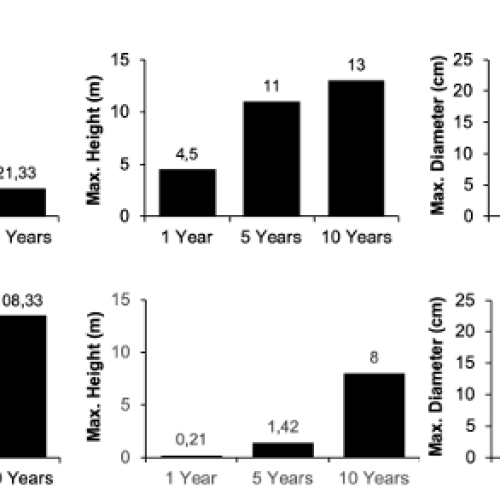
MAKASSAR, Indonesia Jun 8 2026 /WILDEV/– When a nickel mine closes, the land is often left bare, tired, and difficult to heal. In Southeast Sulawesi, scientists asked a practical question: which trees can really survive and help restore post-nickel mining land? Their answer matters far beyond one mining site, because it shows that restoration works best when nature is allowed to do what it does best.
Read More
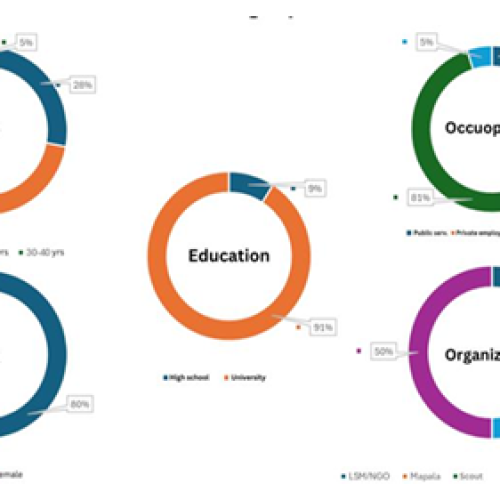
MAKASSAR, Indonesia Jun 8 2026 /WILDEV/– When people look at an animal and feel that it can think, feel, or even “understand” us, that instinct is called anthropomorphism. A new study published in iScience shows that this habit is not random. It is shaped by everyday life, education, religion, and how socially connected people feel. In simple terms, the way we imagine animals can influence the way we protect them.
Read More
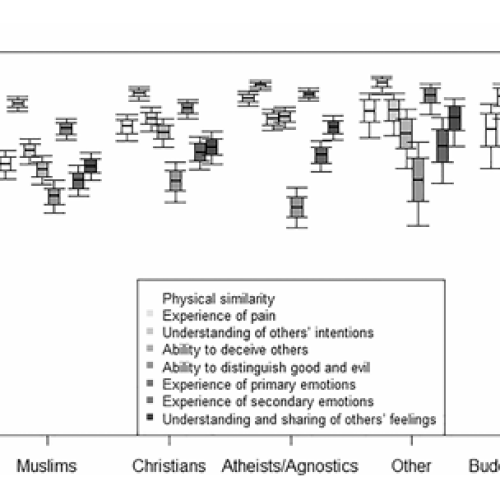
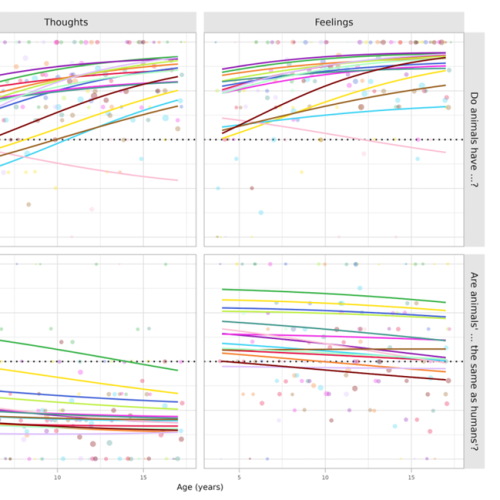
MAKASSAR, Indonesia Jun 8 2026 /WILDEV/– A new international study reminds us of something deeply human: we are fascinated by animals, but we often draw a hard line between their minds and ours. The research, published as the article “Children and adults across 15 countries believe in human uniqueness of mind: a cross-cultural investigation of cross-species mind perception” in the Journal of Environmental Psychology, published by Elsevier Ltd. and released online on November 26, 2025, asked children, teenagers, and adults from 15 countries a simple but powerful question: do animals think and feel like humans?
Read More
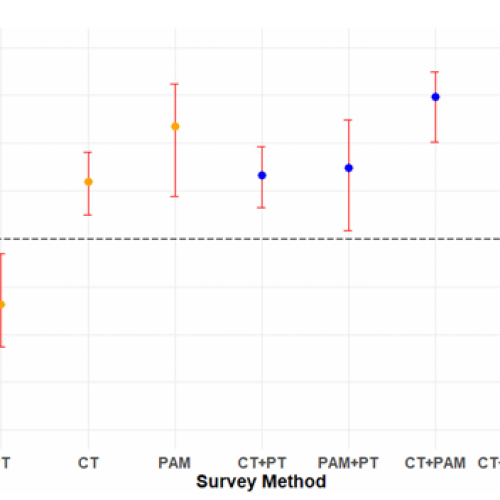
MAKASSAR, Indonesia Jun 8 2026 /WILDEV/– In the forests where moor macaques move quietly through thick leaves and shifting light, a simple question matters a lot: how do we know they are really there? A new study shows that the answer is increasingly found in technology. Camera traps and passive acoustic monitoring can reveal wildlife more reliably than human observers in many situations, helping scientists make better population estimates and stronger conservation plans.