
MAKASSAR, Indonesia 19 Juli 2026/VICTORY/ – A university should be a place for learning, growth, and safety. Yet sexual violence can occur in lecture halls, student activities, field placements, dormitories, and digital spaces. It may take physical forms, such as unwanted touching, or non-physical forms, including sexual comments, intimidation, and online harassment. For many victims, the harm does not end with the incident. Fear, shame, trauma, academic disruption, and concern about retaliation can make reporting extremely difficult.
This popular-science article is based on the research article “Victims of Criminal Acts of Physical and Non-Physical Sexual Violence at a University,” written by Nur Azisa, Nur Amelinda Kharia, Maskun, Nurul Hidayat Ab Rahman, and Arnita Pratiwi Arifin. The article was published in Jurnal IUS Kajian Hukum dan Keadilan, Volume 12, Issue 3, pages 542–557. The journal is published by the Master of Law Program, Faculty of Law, Universitas Mataram, and the article was officially published on 26 December 2024.
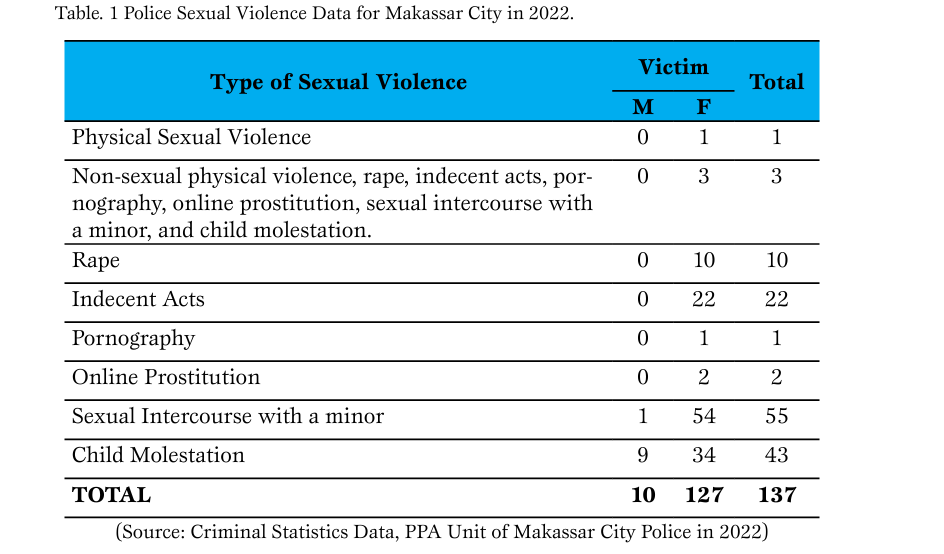
The study combined institutional records, questionnaires, interviews, and legal analysis to understand sexual violence in and around university life. Official data from Hasanuddin University recorded four reported cases in 2022, all involving female victims. A separate questionnaire identified seven additional experiences that had not been formally reported, involving four women and three men. These findings remind us that reported cases may represent only a small part of the real problem.
Why do victims remain silent? The research identifies several reasons: uncertainty about where to report, fear of perpetrators who hold authority, concern about social judgment, confusion about whether the conduct “counts” as sexual violence, and the absence of a safe place to speak. Some victims also regarded the incident as too minor to report, even though it caused discomfort or lasting distress.
Victimology can help explain the circumstances surrounding a crime, but it must never be used to transfer responsibility from the offender to the victim. Clothing, social interaction, location, trust, or delayed reporting do not amount to consent. Clear and voluntary agreement remains central. Prevention should therefore focus on offender accountability, safe environments, informed consent, effective reporting channels, and institutional responsibility.
The researchers recommend strengthening university Sexual Violence Prevention and Handling Task Forces and establishing “Sahabat PPKS” in each faculty. These trained, approachable contacts could help students obtain information, report safely, preserve confidentiality, and access legal, psychological, and social support.
This research supports SDG 3: Good Health and Well-Being by highlighting the psychological and physical effects of sexual violence. It advances SDG 4: Quality Education by promoting safe and inclusive learning environments. It also contributes to SDG 17: Partnerships for the Goals by encouraging cooperation among universities, students, police, legal-aid providers, health professionals, and victim-support institutions.
The message is simple: safer campuses are built when victims are heard without blame, reporting is accessible, and every university accepts responsibility for prevention, protection, and recovery.
Reference:
https://doi.org/10.29303/ius.v12i3.1497
Contact :
Dr. Nur Azisa
+62 896-5492-8727
nur.azisa@unhas.ac.id