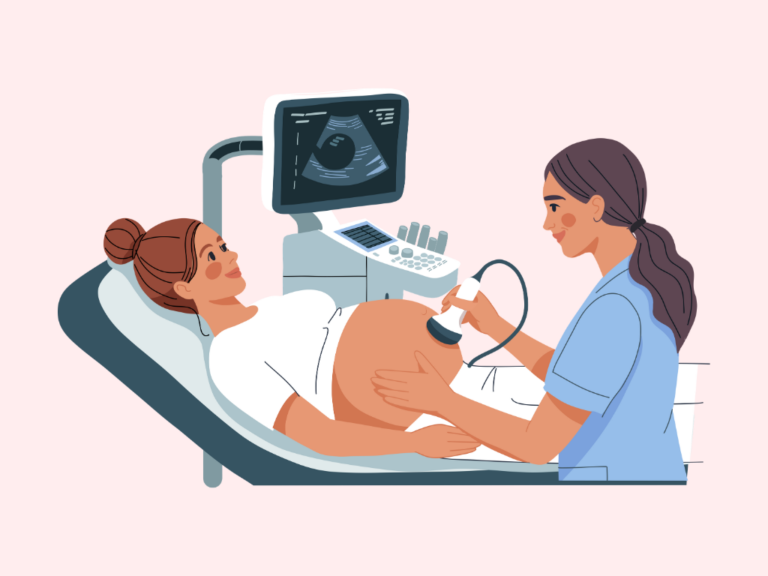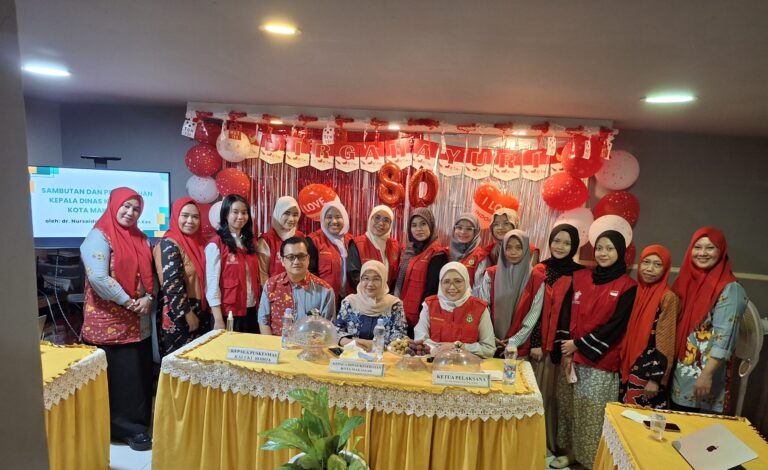

MAKASSAR, Indonesia 13 April 2026/V-Mat – Stunting is more than just a child being shorter than average. It is a serious health problem that can affect brain development, learning ability, physical growth, and future productivity. Around the world, millions of children experience stunting because of poor nutrition, repeated infections, and limited access to healthcare. In Indonesia, one important but often overlooked factor behind stunting is adolescent pregnancy.
A study published in the journal Nutrition and Health by SAGE Journals on 18 June 2023 explored how nursing interventions can help prevent stunting among children born to adolescent mothers. The article, titled “Development and Evaluation of Nursing Intervention in Preventing Stunting in Children of Adolescent Mothers: A Mixed-Methods Research Protocol,” was written by Erfina Erfina, Suni Hariati, and Suryani Tawali. The research was conducted in Makassar, South Sulawesi, Indonesia.
The study explains that adolescent pregnancy is still a major global issue. Every year, millions of teenage girls become pregnant, especially in developing countries. Young mothers often face health problems such as anemia, poor nutrition, emotional stress, and limited knowledge about childcare. These conditions can increase the risk of babies being born with low birth weight or poor nutritional status, which later contributes to stunting.
Researchers highlighted that many adolescent mothers are still physically and emotionally unprepared for pregnancy. Some lack proper education about nutrition during pregnancy and breastfeeding. Others live in poverty or have limited access to healthcare services. According to the study, these factors are strongly linked to child undernutrition and stunting.
To address this problem, the researchers designed a special nursing intervention based on family-centered care. The program aims to educate adolescent mothers and their families about healthy pregnancy, nutrition, breastfeeding, and baby care. What makes this intervention unique is the use of digital applications and community health centers, known as Puskesmas, to provide continuous guidance for young mothers.
The intervention also recognizes the important role of family members. In Indonesian culture, many adolescent mothers live with parents or extended families. Because of this, the study encourages involving husbands, mothers, and grandparents in supporting pregnant teenagers. Families can help young mothers make healthier decisions, manage stress, and provide proper nutrition for babies during the first 1000 days of life — a critical period for child development.
This issue is closely connected to SDG 3: Good Health and Well-Being. The Sustainable Development Goals emphasize the importance of reducing child malnutrition, improving maternal health, and ensuring healthy lives for all. Preventing stunting is not only about food; it is also about education, healthcare access, emotional support, and empowering young mothers with the right knowledge. The study also sends a powerful message: preventing stunting must start before a child is born. By supporting adolescent mothers through healthcare education and family-centered nursing care, communities can help children grow healthier and stronger. In the long term, this can improve education outcomes, economic productivity, and the overall quality of life for future generations.
Reference:
DOI: https://doi.org/10.1177/02601060231181712
Contact:
Erfina
+6281355582915
erfina@unhas.ac.id